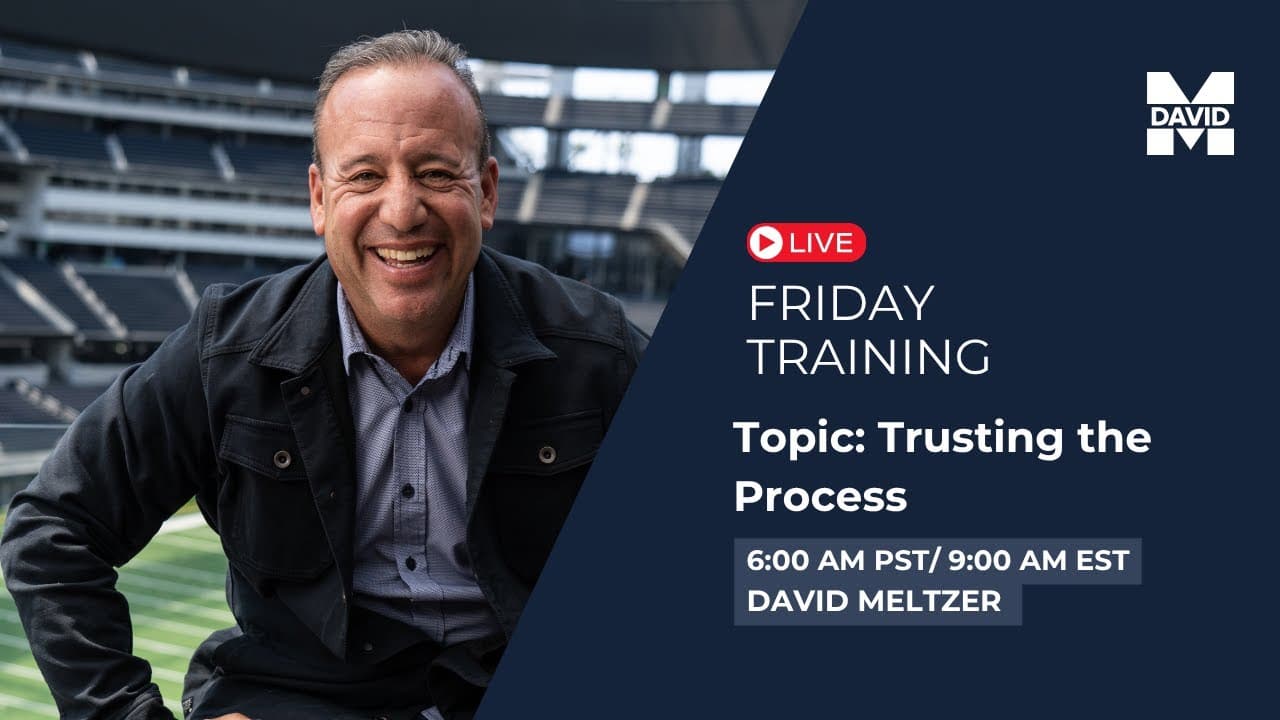
How to Trust the Process for Success
TL;DR
Trusting the process involves patience and persistence, understanding that growth often comes from moving forward despite uncertainty. Embrace delays and detours as part of the journey, and focus on consistent, aligned actions. Clarity and success often come later, and faith in the process can lead to unexpected breakthroughs.
Transcript
Now I'm at the point you want to be with me. I'm vibing out at a higher frequency. Cuz everything that I want and I'm going to be is when I wake up, that's when I start to dream. Someone you love is talking down here is the plan. Let it fall through like a handful of sand. Nothing happens overnight. What you must understand. If you dwell on the bed... Read More
Key Insights
- Trusting the process requires patience and faith, especially when outcomes are uncertain.
- Growth often happens in uncertainty; embracing it can lead to significant personal and professional development.
- A predisposition to surrender can help expand possibilities and reduce interference in achieving goals.
- Consistency and persistence in aligned actions are crucial for long-term success.
- Clarity often comes last in the process, not first; patience is essential.
- Reflecting on past experiences and learning from them can strengthen faith and trust in the process.
- The 'thousand steps' philosophy emphasizes that significant achievements require sustained effort and resilience.
- Trusting the process involves intelligent surrender, focusing on purpose over panic and progress over perfection.
Install to Summarize YouTube Videos and Get Transcripts
Explore YouTube Video Summarizer or Get YouTube Transcript Extractor
Questions & Answers
Q: How to maintain faith in the process when outcomes are uncertain?
Maintaining faith in the process during uncertainty involves embracing uncertainty as a necessary part of growth. Focus on consistent actions aligned with your goals, and reflect on past experiences to strengthen your belief in eventual positive outcomes. Remember that clarity often comes later and trust that persistence will lead to breakthroughs.
Q: What is the 'thousand steps' philosophy?
The 'thousand steps' philosophy emphasizes that achieving significant goals requires sustained effort and resilience. It suggests that 90% of effort may only get you to 250 steps, but persistence will eventually lead to completion. This approach encourages patience and continued effort, even when progress seems slow.
Q: Why is clarity often the last part of the process?
Clarity often comes last because the journey involves navigating uncertainty and learning from experiences. As you progress, insights and understanding develop, leading to clearer perspectives. Trusting the process means accepting that clarity will emerge over time, as a result of consistent, aligned actions.
Q: How can a predisposition to surrender benefit personal growth?
A predisposition to surrender helps expand possibilities and reduces interference with achieving goals. By letting go of the need for control, you allow for greater flexibility and adaptability, which can lead to unexpected opportunities and insights. This mindset encourages openness to growth and learning.
Q: What role does reflection on past experiences play in trusting the process?
Reflecting on past experiences helps reinforce trust in the process by providing evidence of growth and learning. By understanding how past challenges led to positive outcomes, you can strengthen your faith in the current journey. This reflection can offer comfort and motivation during periods of uncertainty.
Q: How can one apply the principles of trusting the process in business?
In business, trusting the process involves maintaining a long-term vision and being patient with setbacks. Share your vision with your team and emphasize that success includes overcoming challenges. Encourage consistent, aligned actions and adaptability, recognizing that breakthroughs often result from sustained effort and resilience.
Q: What is the significance of choosing progress over perfection?
Choosing progress over perfection emphasizes the importance of continuous improvement rather than waiting for perfect conditions. This mindset encourages taking action, learning from mistakes, and adapting as needed. It reduces the pressure of achieving flawless results and fosters a more dynamic and resilient approach to growth.
Q: How can intelligent surrender enhance decision-making in leadership?
Intelligent surrender in leadership involves letting go of excessive control and trusting your team's abilities. This approach fosters creativity and innovation, as team members feel empowered to contribute their ideas. It also reduces stress and allows leaders to focus on strategic decision-making, enhancing overall organizational performance.
Summary & Key Takeaways
-
Trusting the process is about moving forward with faith and patience, even when outcomes are unclear. Growth often occurs in uncertainty, and embracing this can lead to unexpected breakthroughs. Consistent, aligned actions are essential for long-term success, and clarity usually comes later in the journey.
-
A predisposition to surrender and reflection on past experiences can help reduce interference and strengthen trust in the process. The 'thousand steps' philosophy highlights the need for sustained effort and resilience in achieving significant goals.
-
Trusting the process involves intelligent surrender, choosing purpose over panic, and progress over perfection. It requires focusing on consistent actions aligned with desired outcomes, even when immediate results are not visible.
Read in Other Languages (beta)
Share This Summary 📚
Summarize YouTube Videos and Get Video Transcripts with 1-Click
Try YouTube Summary with ChatGPT & Claude or YouTube Transcript Generator
Explore More Summaries from David Meltzer 📚


Summarize YouTube Videos and Get Video Transcripts with 1-Click
Try YouTube Summary with ChatGPT & Claude or YouTube Transcript Generator