What Was the Weimar Republic's Role in Germany?
TL;DR
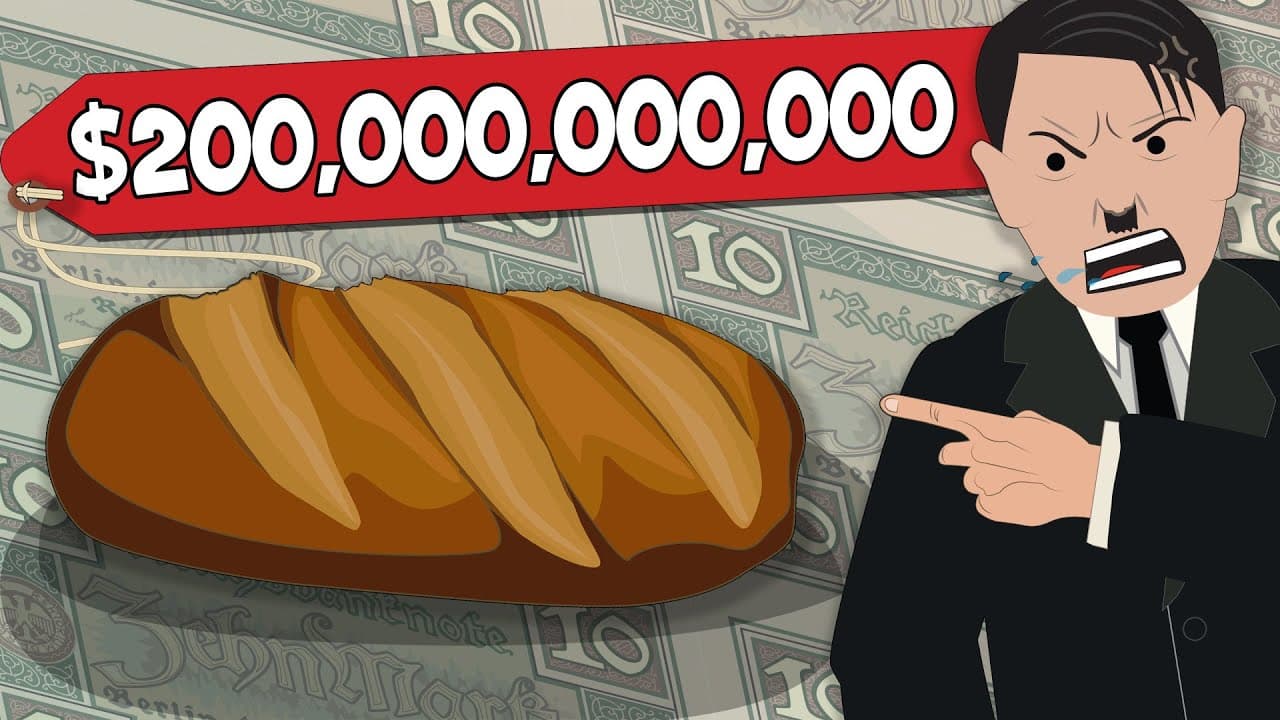
The Weimar Republic, established after World War I, was marked by severe financial crises, hyperinflation, and political turmoil. Despite a brief recovery during the 'Golden Twenties' led by Chancellor Gustav Stresemann, the republic ultimately succumbed to Hitler's dictatorship due to economic collapse and rising extremist parties.
Transcript
the weimar republic 1918-1933 by autumn 1918 it became clear that germany could not win world war one on october 29th at the small coastal town of wilhelmshaven in the northwest of germany sailors mutinied instead of following orders to attack the british royal navy the mutinies quickly spread to the major german port city of kyr and this incident ... Read More
Key Insights
- 🥺 The German Revolution and the abdication of Kaiser Wilhelm II led to the establishment of the Weimar Republic.
- 😣 The Weimar Republic faced a severe financial crisis and hyperinflation that crippled the economy.
- 🥺 Chancellor Gustav Stresemann's efforts, including the implementation of new measures and the negotiation of the Dawes Plan, led to economic recovery in Germany.
- 🥳 The Weimar Republic faced political instability and challenges from extremist parties, ultimately leading to Adolf Hitler's rise to power.
- 👶 Weimar culture experienced significant shifts after World War I, with a focus on questioning society, exploring new themes in literature and theater, and embracing artistic and architectural experimentation.
- 💱 Sexual attitudes and behaviors also experienced changes during the Weimar Republic, with Berlin becoming a center for liberal influences.
- 😀 Despite its cultural advancements, the Weimar Republic faced challenges in garnering widespread enthusiasm and support throughout the country.
Install to Summarize YouTube Videos and Get Transcripts
Explore YouTube Video Summarizer or Get YouTube Transcript Extractor
Questions & Answers
Q: How did the German Revolution lead to the formation of the Weimar Republic?
The German Revolution, sparked by sailors' mutinies in 1918, forced Kaiser Wilhelm II to abdicate and led to the establishment of the Weimar Republic, with Friedrich Ebert as its leader.
Q: What were the key provisions of the Treaty of Versailles for Germany?
Under the Treaty of Versailles, Germany had to relinquish territory, decrease its military, pay reparations, and was barred from joining the League of Nations.
Q: What were the major challenges faced by the Weimar Republic?
The Weimar Republic faced a financial crisis, hyperinflation, political instability, and discontent among the military due to perceived betrayal through the signing of the Treaty of Versailles.
Q: How did the Weimar Republic initiate economic recovery?
Chancellor Gustav Stresemann implemented measures such as bringing workers back into factories, introducing a new currency, and negotiating the Dawes Plan, which resulted in increased wages, manufacturing, and foreign investments.
Summary & Key Takeaways
-
Germany's defeat in World War I led to the formation of the Weimar Republic, with Friedrich Ebert as the Chancellor and democratic elections held in 1919.
-
The Weimar Republic faced a financial crisis and hyperinflation, resulting in economic strife and political unrest.
-
Chancellor Gustav Stresemann implemented measures that aided Germany's recovery, including the implementation of a new currency and the Dawes Plan.
Read in Other Languages (beta)
Share This Summary 📚
Summarize YouTube Videos and Get Video Transcripts with 1-Click
Try YouTube Summary with ChatGPT & Claude or YouTube Transcript Generator
Explore More Summaries from Simple History 📚

Summarize YouTube Videos and Get Video Transcripts with 1-Click
Try YouTube Summary with ChatGPT & Claude or YouTube Transcript Generator