Dr. William Brydon and the Massacre of Elphinstone's Army
TL;DR
In 1842, the British army, led by General Elphinstone, made a disastrous retreat from Kabul, resulting in a massacre and the loss of thousands of lives.
Transcript
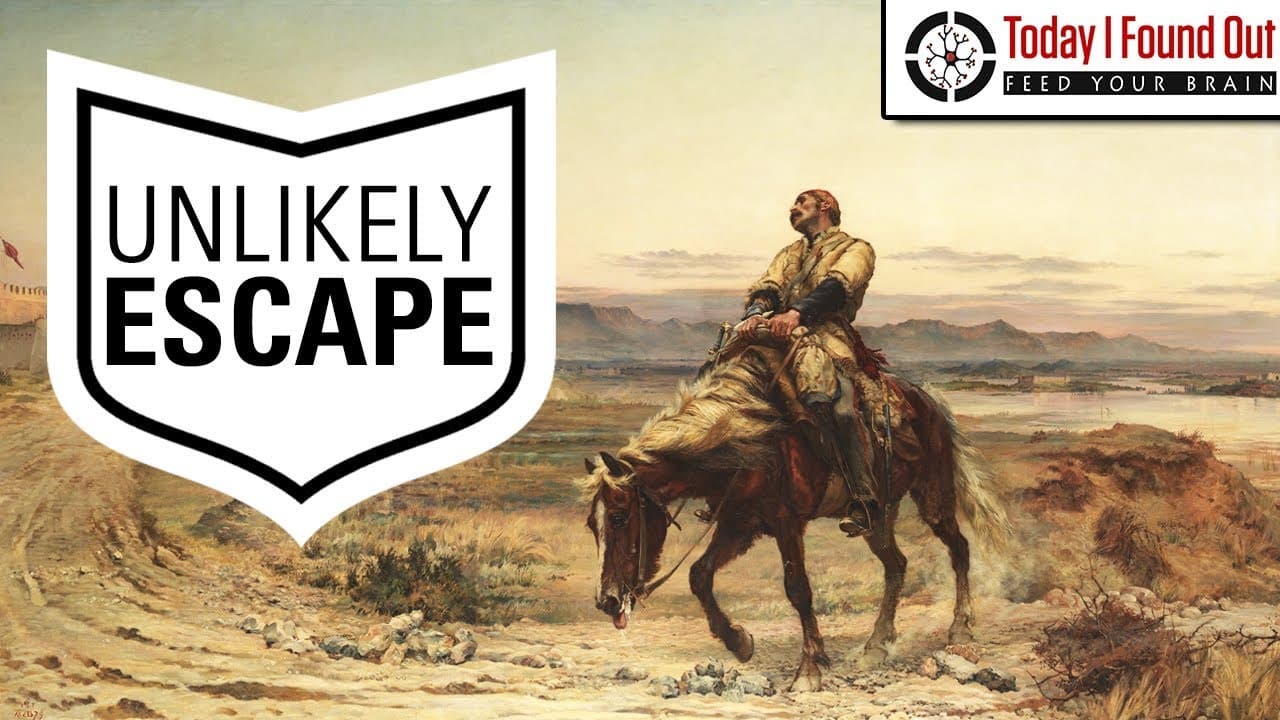
On January 13, 1842 1842, Dr. William Brydon, who had part of his skull sheared off at the time, rode an exhausted horse into the British garrison at Jalalabad, Afghanistan. When asked where the rest of the army was, he replied “I am the army”. In fact, he wasn’t actually the sole survivor, as he thought, but was pretty close to it. The few other s... Read More
Key Insights
- 🇬🇧 General Elphinstone, the commander of the British army in Kabul, was regarded as an incompetent leader.
- 🖤 The retreat from Kabul was characterized by poor decision-making and a lack of response to escalating threats.
- 🤠 Dr. William Brydon was one of the few survivors of the retreat, with his life miraculously spared by a magazine in his hat.
Install to Summarize YouTube Videos and Get Transcripts
Explore YouTube Video Summarizer or Get YouTube Transcript Extractor
Questions & Answers
Q: Who was General Elphinstone and what role did he play in the British army's retreat?
General Elphinstone was the commander of the British army in Kabul and played a significant role in the disastrous retreat. He was regarded as a poor commander and made several critical mistakes that led to the loss of many lives.
Q: Why did the British army decide to retreat from Kabul?
The British army decided to retreat from Kabul due to a combination of factors, including the loss of subsidies and the murder of a British political officer. The situation in Kabul became increasingly dangerous, and Elphinstone sought safe passage to Jalalabad.
Q: How did Dr. William Brydon manage to survive the retreat?
Dr. William Brydon survived the retreat by sheer determination and a stroke of luck. He and a lieutenant were abandoned by other officers but continued their journey. Brydon's life was saved when a sword struck a paper magazine in his hat, deflecting the blow.
Q: Did the British army take any action against the Afghan rebels after the retreat?
Yes, after the retreat, the British army, led by General William Nott, launched a counter-attack and retook Kabul. The rebels in the city faced their own massacre as the British sought revenge.
Summary & Key Takeaways
-
In 1842, the British army, commanded by General Elphinstone, found themselves in a precarious position in Kabul, Afghanistan.
-
After a series of poor decisions by Elphinstone, the army was forced into a retreat towards Jalalabad, resulting in heavy casualties and the capture of many soldiers and civilians.
-
Dr. William Brydon was one of the few survivors of the retreat, making it to Jalalabad and eventually back to the British garrison.
Read in Other Languages (beta)
Share This Summary 📚
Summarize YouTube Videos and Get Video Transcripts with 1-Click
Try YouTube Summary with ChatGPT & Claude or YouTube Transcript Generator
Explore More Summaries from Today I Found Out 📚


Summarize YouTube Videos and Get Video Transcripts with 1-Click
Try YouTube Summary with ChatGPT & Claude or YouTube Transcript Generator