How insulated glass changed architecture
TL;DR
Insulated glass revolutionized building design and energy efficiency.
Transcript
It’s 1960 and look how happy Sharon, and Karen, and Joey are. And Bob has completely forgotten the horrors of the second World War. They are happy because of this glass door. But to understand doors like the ones sold here you have to go to the patent application— You know what? Because when Admiral Richard Byrd went to Antarctica in 1939 Science ... Read More
Key Insights
- Insulated glass, specifically Thermopane, transformed architecture by providing better insulation and enabling larger windows without significant energy loss.
- Before insulated glass, large windows were necessary for natural light but caused significant heat loss or gain, making them inefficient.
- The introduction of electricity reduced the necessity for large windows, but insulated glass offered both daylight and insulation benefits.
- Thermopane doubled the R-value of standard glass, significantly improving insulation while maintaining transparency.
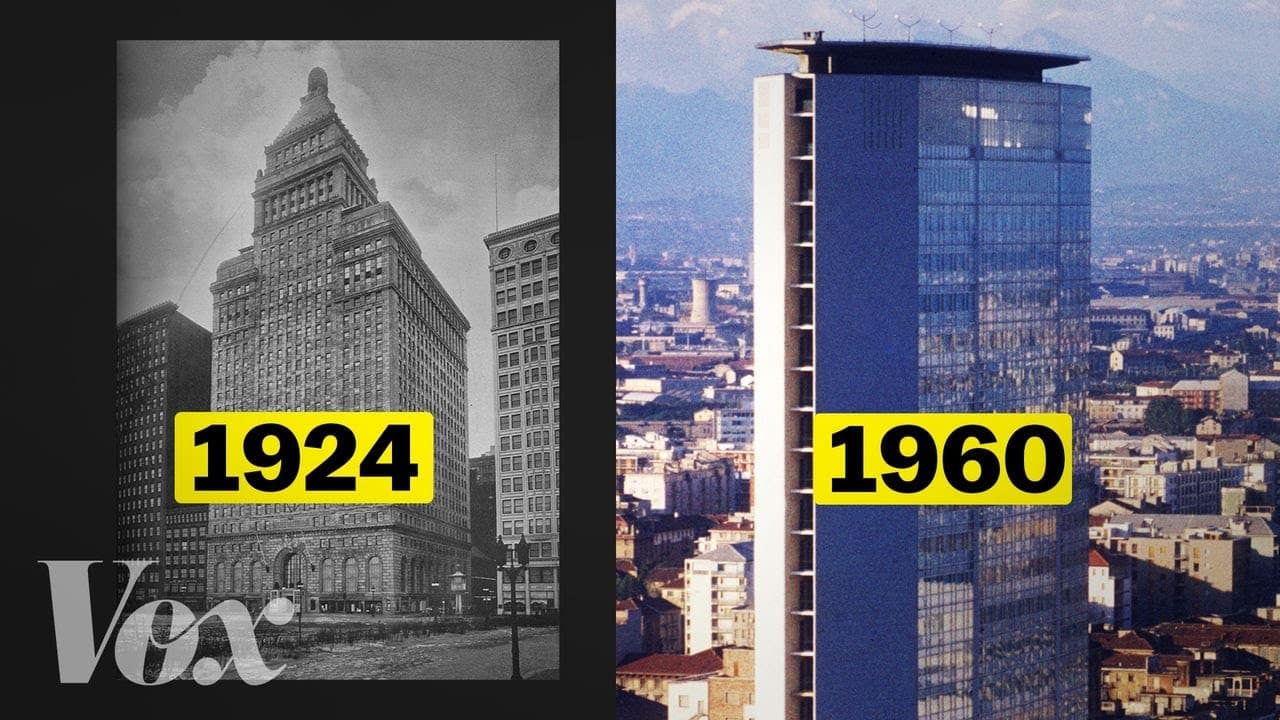
- The innovation of insulated glass allowed for new architectural styles, including glass curtain walls and mid-century modern homes.
- Thermopane's invention led to a competitive market with other products like Twindow, further advancing glass technology.
- Modern insulated glass technologies, such as triple-pane windows and Low-E coatings, continue to improve energy efficiency.
- The cultural impact of insulated glass includes a shift towards designs that blend indoor and outdoor spaces, enhancing the living experience.
Install to Summarize YouTube Videos and Get Transcripts
Explore YouTube Video Summarizer or Get YouTube Transcript Extractor
Questions & Answers
Q: How did insulated glass change architectural design?
Insulated glass revolutionized architectural design by enabling the use of larger windows without significant energy loss. This innovation allowed for more natural light while maintaining energy efficiency, leading to new architectural styles such as glass curtain walls and mid-century modern homes that blend indoor and outdoor spaces.
Q: What were the limitations of large windows before insulated glass?
Before insulated glass, large windows were necessary to bring in natural light but caused significant heat loss in winter and heat gain in summer. This inefficiency made them less desirable, especially as electricity for lighting and climate control was expensive and not widely available.
Q: What is the significance of Thermopane in the glass industry?
Thermopane was significant in the glass industry as it doubled the R-value of standard glass, providing better insulation while maintaining transparency. This breakthrough allowed for the widespread use of large windows in buildings, changing architectural design and improving energy efficiency.
Q: How did electricity impact the use of windows in architecture?
The advent of electricity reduced the necessity for large windows, as artificial lighting became available. However, electricity was initially expensive, so large windows remained important for natural light. Insulated glass later offered a solution by providing both daylight and improved energy efficiency, further changing architectural design.
Q: What advancements followed Thermopane in glass technology?
Following Thermopane, advancements in glass technology included the development of products like Twindow and modern innovations such as triple-pane windows and Low-E coatings. These advancements have further improved energy efficiency and insulation, allowing for more versatile architectural designs and better climate control.
Q: How did insulated glass influence cultural and social aspects of living spaces?
Insulated glass influenced cultural and social aspects by allowing for architectural designs that blend indoor and outdoor spaces. This innovation created a more seamless connection between living spaces and nature, enhancing the living experience and reflecting mid-century modern design trends focused on openness and integration with the environment.
Q: What challenges did insulated glass address in building design?
Insulated glass addressed the challenge of energy inefficiency associated with large windows. By providing better insulation, it allowed architects to design buildings with more natural light without the drawbacks of significant heat loss or gain, making buildings more energy-efficient and comfortable for occupants.
Q: What is the role of R-value in glass insulation?
R-value measures the insulation effectiveness of materials, with higher values indicating better insulation. In glass insulation, Thermopane doubled the R-value of standard glass, significantly improving energy efficiency by reducing heat transfer. This advancement was crucial in allowing larger windows without compromising building insulation.
Summary & Key Takeaways
-
Insulated glass, particularly Thermopane, played a crucial role in transforming architectural design by allowing for larger windows without compromising energy efficiency. This innovation doubled the R-value of standard glass, providing better insulation and enabling new styles like glass curtain walls.
-
Before the advent of insulated glass, large windows were necessary for natural light but resulted in significant energy loss. The introduction of electricity reduced the need for large windows, but insulated glass offered a solution that provided both daylight and improved insulation.
-
The development of insulated glass led to a competitive market with products like Twindow, further advancing glass technology. Modern advancements, such as triple-pane windows and Low-E coatings, continue to improve energy efficiency, blending indoor and outdoor spaces and enhancing the living experience.
Read in Other Languages (beta)
Share This Summary 📚
Summarize YouTube Videos and Get Video Transcripts with 1-Click
Try YouTube Summary with ChatGPT & Claude or YouTube Transcript Generator
Explore More Summaries from Vox 📚




Summarize YouTube Videos and Get Video Transcripts with 1-Click
Try YouTube Summary with ChatGPT & Claude or YouTube Transcript Generator