The Secretary: Great Expectations
TL;DR
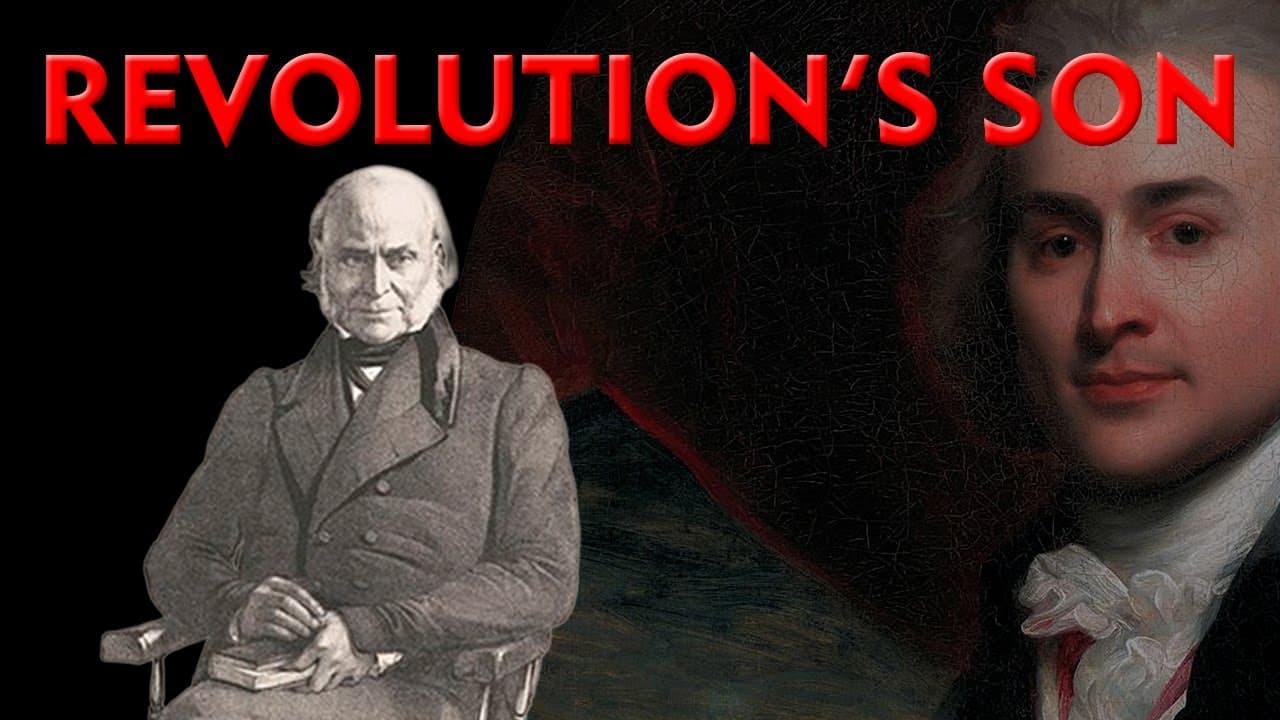
John Quincy Adams overcame personal struggles to become a significant figure in American history.
Transcript
Just before we get into today's video, just wanted to say a quick thank you to the historic city of Quinsey, Massachusetts for teaming up with us yet again in sponsoring another of our The Story of America video series, covering so far everything from Amelia Heheart and the dawn of US commercial aviation to the forgotten other guy who co-invented t... Read More
Key Insights
- 🧑⚕️ John Quincy Adams experienced significant mental health challenges due to the overwhelming expectations from his family and society, manifesting in periods of depression and feelings of inadequacy during his formative years.
- 🏈 He transitioned from a struggling lawyer to an accomplished diplomat, advocating for groundbreaking foreign policies and establishing the foundations of modern American diplomacy.
- 💋 Adams's philosophical approach to politics was marked by a commitment to truth and integrity, often clashing with the prevalent political culture focused on partisanship and self-interest.
- 😀 His advocacy for anti-slavery became a defining element of his career, positioning him as a moral leader in a time of great social upheaval, despite facing staunch opposition in Congress.
- 🌐 John Quincy Adams’s engagement with influential figures of his time, including encounters with European elite, shaped his perspectives on governance and diplomacy, enhancing his global understanding of political dynamics.
- 🗯️ Despite his presidential struggles, Adams continued to champion civil rights and education, highlighting his long-term vision for an improved American society.
- 😀 The personal sacrifices he made for his principles reflected broader themes of moral duty versus personal ambition, illustrating the complexities faced by leaders in a democratic society.
Install to Summarize YouTube Videos and Get Transcripts
Explore YouTube Video Summarizer or Get YouTube Transcript Extractor
Questions & Answers
Q: What were the early challenges John Quincy Adams faced in his career?
John Quincy Adams struggled significantly in his early career, often feeling overwhelmed by the expectations placed upon him. He dealt with bouts of depression and anxiety, questioning his professional prospects as a lawyer. Despite diligent efforts, he failed to gain the recognition he desired and felt trapped in a profession that seemed stagnant, choosing to seek solace with his aunt rather than return to face his family's expectations.
Q: How did John Quincy Adams's family impact his ambitions?
Adams's family, particularly his father John Adams, instilled a strong sense of duty and expectation in him from a young age. This pressure affected his mental health, creating profound pressure to succeed and distinguish himself independently of his father's legacy. John Quincy often felt that any advancement would be overshadowed by his father's prominence, which compounded his struggles with identity and ambition.
Q: What significant contributions did John Quincy Adams make as a statesman?
Throughout his career, John Quincy Adams played key roles in American diplomacy, such as formulating the Monroe Doctrine, which asserted U.S. opposition to European colonialism in the Americas. He also successfully argued against slavery in cases like the Amistad and advocated for a national university, among other initiatives, demonstrating his commitment to social justice and policy reform.
Q: How did Adams’s views on slavery shape his later life?
John Quincy Adams became an outspoken opponent of slavery after his presidency, using his position in Congress to challenge the institution despite significant political backlash. He successfully fought against the gag rule that silenced anti-slavery discussion, showcasing his moral conviction and perseverance in advocating for human rights, which helped lay the groundwork for future legislative changes.
Q: What motivated John Quincy Adams to re-engage politically after his presidency?
After losing his reelection bid, Adams did not retreat from public life; instead, he felt a renewed sense of purpose due to his dedication to anti-slavery and the desire to represent his constituents. The political climate, especially concerning debates about slavery, sparked his passion to continue fighting for justice and the rights of individuals.
Q: Why was John Quincy Adams considered a "great man in the wrong place at the wrong time" during his presidency?
His presidency was marked by a lack of support from both political parties and widespread criticism of his policies and vision for America. Adams's high-minded ideals and unwillingness to engage in the manipulative politics of the era, combined with his refusal to campaign for a second term, contributed to his perception as an ineffective president despite being a significant thinker and statesman.
Q: What was John Quincy Adams's approach to public service and personal integrity?
Adams believed deeply in serving the nation with integrity and prioritizing principles over party politics. He argued for transparency and ethical governance, which often alienated him from allies but established a reputation of moral clarity. His commitment to his convictions was evident in both his public and private life, and he sought to align his actions with the greater good.
Q: How did John Quincy Adams's experiences and writings contribute to his historical legacy?
John Quincy Adams documented significant moments and his personal reflections extensively in his diary, which serves as a crucial historical source offering insights into early American history and political thought. His writings reveal not only his political strategies and beliefs but also provide a glimpse into his struggles for identity and purpose, thereby enriching our understanding of this pivotal figure.
Summary & Key Takeaways
-
John Quincy Adams faced immense pressure to achieve greatness from a young age, leading to periods of depression and self-doubt during his 20s as he struggled to establish his career.
-
Despite early setbacks, Adams emerged as a prominent diplomat, advocating for anti-slavery and shaping American foreign policy, demonstrating remarkable intellect and integrity throughout his career.
-
In his later years, Adams became a fierce anti-slavery advocate and used his congressional platform to challenge the status quo, continuing to influence American society until his death.
Read in Other Languages (beta)
Share This Summary 📚
Summarize YouTube Videos and Get Video Transcripts with 1-Click
Try YouTube Summary with ChatGPT & Claude or YouTube Transcript Generator
Explore More Summaries from Today I Found Out 📚






Summarize YouTube Videos and Get Video Transcripts with 1-Click
Try YouTube Summary with ChatGPT & Claude or YouTube Transcript Generator