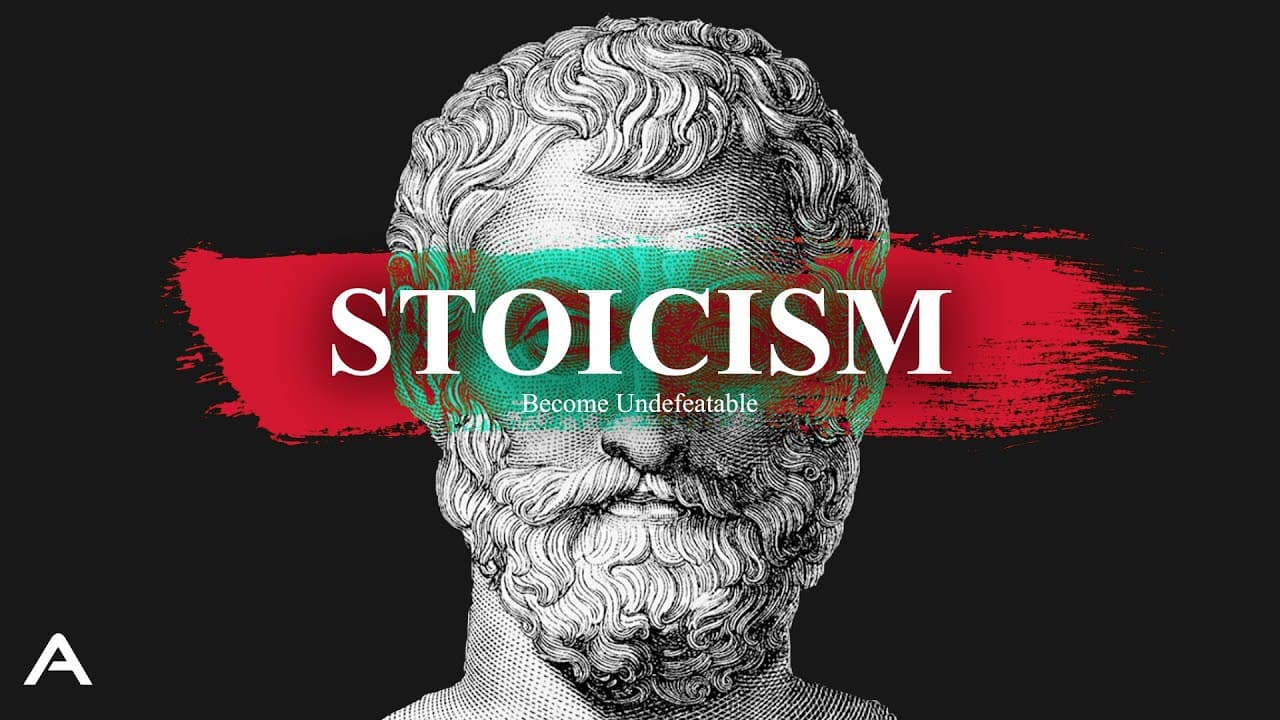
Stoicism: Become Undefeatable
TL;DR
Stoicism teaches us to accept what we cannot control, focus on inner strength and virtue, and find peace and meaning in the face of adversity.
Transcript
In the city of Cyprus in 300 BC, there lived a very wealthy trader called Zeno. While on a voyage from Phoenicia to Piraeus, his boat sank, along with all of his cargo. Because of that single event, an event that was entirely out of Zeno’s or anyone's control, this very wealthy man suddenly became poor in an instant. Imagine you were Zeno... Read More
Key Insights
- 💡 Stoicism teaches us that while we can't control what happens to us, we have control over how it affects us. It encourages acceptance and indifference, ultimately leading to a more composed and neutral mindset.
- 💭 Stoicism is more than just being unemotional; it is a way of viewing and understanding the world. It has lasted for centuries and can still be applied today, helping us process negative experiences and gain a unique perspective.
- 💪 Stoicism was accessible to everyone, from slaves to emperors, promoting unity and togetherness. It also advocated for women's participation in philosophy, challenging the societal norms of the time.
- ☔ Stoicism reminds us to expect and accept the inevitable hardships of life. By embracing voluntary discomfort and focusing on intrinsic value, we can strengthen our mindset and better navigate through difficulties.
- 🎯 Stoicism emphasizes the dichotomy of control, teaching us to separate what we can control from what we can't. Our value and success should be based on our efforts and choices, rather than external outcomes.
- 💔 Stoicism promotes living with less and finding happiness in simplicity. By unbinding ourselves from societal expectations and avoiding external attachments, we can focus on internal fulfillment and endure hardships.
- 🧠 Stoicism encourages wisdom, courage, temperance, and justice. These virtues guide us in choosing our reactions, persisting through challenges, practicing moderation, and treating others with empathy and kindness.
- 🌍 Stoicism has influenced modern psychology, with therapies like REBT and Logotherapy incorporating its principles. These practices help individuals identify negative thought patterns, find meaning and purpose, and ultimately lead happier lives.
Install to Summarize YouTube Videos and Get Transcripts
Explore YouTube Video Summarizer or Get YouTube Transcript Extractor
Questions & Answers
Q: How does Stoicism teach us to deal with unexpected events and negative experiences in life?
Stoicism teaches us to expect the worst and be content knowing that it could happen. By accepting that bad things will happen, Stoics focus on their own reactions and cultivate inner strength to remain calm and neutral in the face of adversity. Rather than dwelling on the negative emotions, they view these experiences as opportunities to grow and gain a unique perspective on the world.
Q: What role does perspective play in Stoic philosophy?
Perspective is crucial in Stoic philosophy. Stoics understand that everyone has different experiences and perspectives on things, and by reframing our mindset, we can process negative emotions and turn them into thoughts that provide us with a more nuanced and balanced understanding of the world. Stoicism allows us to cultivate a positive perspective even in difficult situations, leading to greater resilience and happiness.
Q: How did the Stoics view equality and inclusivity in their philosophy?
The Stoics believed in equality and inclusivity. They gathered, discussed, and taught philosophy in public spaces, making their principles widely available to anyone, regardless of their social status. They fought against segregation and emphasized unity and togetherness, promoting the idea of being citizens of the world. Even at a time when women were not allowed to pursue philosophy, Stoics challenged this norm and encouraged women to freely learn and become Stoics.
Q: How does Stoicism relate to finding happiness and fulfillment in life?
Stoicism teaches us to detach our happiness from external circumstances and possessions. Instead, Stoics focus on intrinsic values, virtues, and inner strength. By placing our happiness on what we can control, such as our reactions and choices, rather than on external factors, we can lead a more content and fulfilling life. Stoics emphasize the importance of self-worth, moderation, and finding meaning and purpose in our lives to achieve true happiness.
Summary & Key Takeaways
-
Stoicism, founded by Zeno in 300 BC, is a philosophy that emphasizes acceptance and indifference to what we cannot control.
-
Stoics focus on maintaining composure and neutrality in the face of adversity, rather than being consumed by negative emotions.
-
Stoicism teaches that true happiness and fulfillment come from within, by placing value on intrinsic virtues and practicing moderation, courage, and justice.
Read in Other Languages (beta)
Share This Summary 📚
Summarize YouTube Videos and Get Video Transcripts with 1-Click
Try YouTube Summary with ChatGPT & Claude or YouTube Transcript Generator
Explore More Summaries from Aperture 📚





Summarize YouTube Videos and Get Video Transcripts with 1-Click
Try YouTube Summary with ChatGPT & Claude or YouTube Transcript Generator