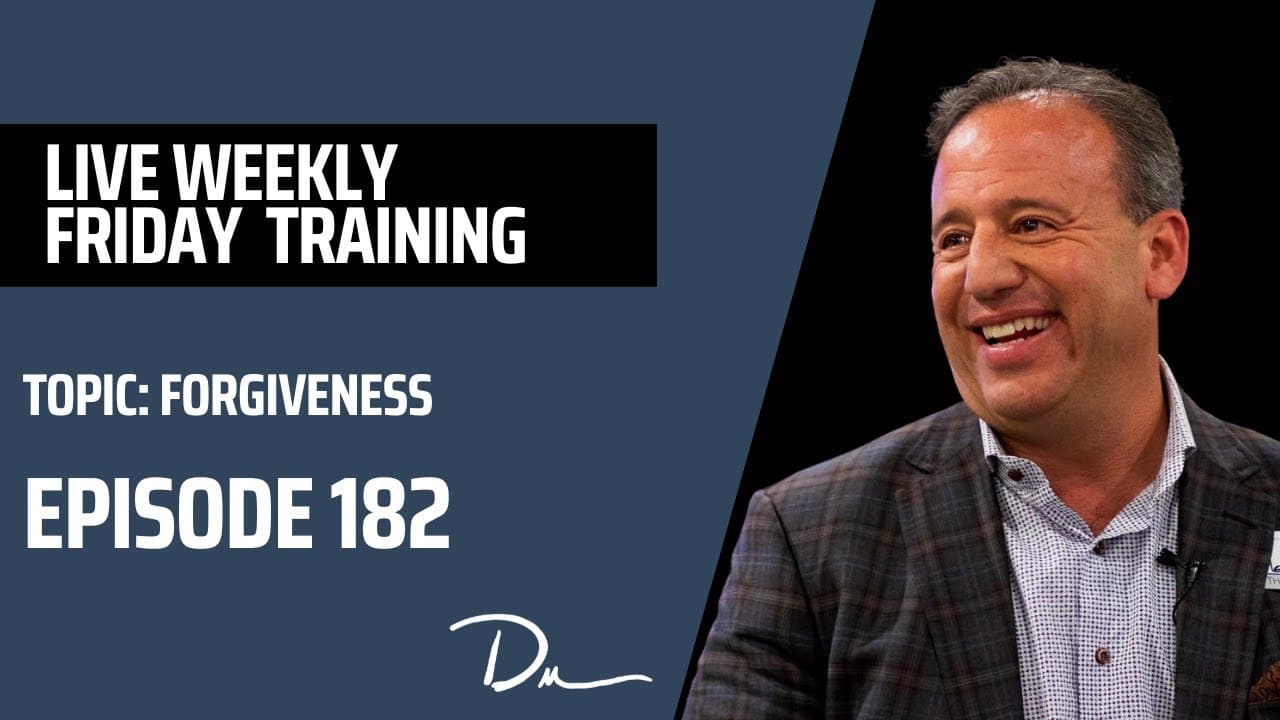
How to Practice Forgiveness for Personal Growth
TL;DR
Forgiveness is essential for inner peace and healing. It involves understanding the intent behind actions and applying strategies like cancel, clear, and connect to overcome negativity. By forgiving ourselves and others, we can eliminate dis-ease and improve our relationships. This process requires self-awareness and may involve professional help for deeper issues.
Transcript
now I'm at the point you want to be with me I'm vibing out at a higher frequency cause everything that I want and I'm gonna be is when I wake up that's when I start to dream someone you love is talking down here is the plan let it fall through like a handful of sand nothing happens overnight which you must understand if you dwell on the bed then yo... Read More
Key Insights
- Forgiveness is a powerful tool for achieving peace and ease in life.
- Understanding the intent behind actions is crucial for forgiveness.
- Self-forgiveness is necessary before forgiving others.
- Unintentional harm should be easier to forgive as we often do it ourselves.
- Intentional harm with good intentions can still be forgiven by recognizing the positive outcome.
- Intentional harm with negative intentions is the hardest to forgive but can be addressed with specific methodologies.
- The cancel, clear, and connect strategy helps in overcoming negative thoughts and emotions.
- Professional help may be necessary for deep-seated trauma or genetic and energetic inheritances.
Install to Summarize YouTube Videos and Get Transcripts
Explore YouTube Video Summarizer or Get YouTube Transcript Extractor
Questions & Answers
Q: How to forgive someone who intentionally harmed you?
Forgiving intentional harm involves understanding the intent and using strategies like cancel, clear, and connect. Recognize if the harm was for a positive outcome and apply forgiveness to heal the dis-ease. If the harm was negative, focus on self-healing and seek professional help if needed.
Q: What is the cancel, clear, and connect method?
Cancel, clear, and connect is a strategy to overcome negative thoughts and emotions. Cancel negative thoughts immediately, clear subconscious negativity by repeating 'clear,' and connect with positive energy through visualization to shift your mindset and promote healing.
Q: Why is self-forgiveness important?
Self-forgiveness is crucial because we can't give what we don't have. By forgiving ourselves for unintentional harm or mistakes, we can more easily forgive others, reducing dis-ease and improving our relationships and personal growth.
Q: How does forgiveness affect personal growth?
Forgiveness facilitates personal growth by eliminating dis-ease and promoting inner peace. It allows us to let go of negative emotions, improve relationships, and focus on positive outcomes, ultimately enhancing our well-being and potential for success.
Q: What role does intent play in forgiveness?
Intent is crucial in forgiveness as it helps distinguish between unintentional and intentional harm. Understanding the intent allows us to apply appropriate forgiveness strategies, whether the harm was unintentional, intentional with good intentions, or intentional with negative intentions.
Q: When should professional help be sought in forgiveness?
Professional help should be sought when dealing with deep-seated trauma, genetic or energetic inheritances, or when personal strategies like cancel, clear, and connect are insufficient. Therapists can provide additional tools and support for healing and personal growth.
Q: How to prioritize relationships for forgiveness?
Prioritize relationships by assessing their relativity and impact on your life. Use a matrix to determine if the relationship feeds or bleeds you and decide if it's worth the time and effort to heal. Focus on those that align with your personal growth and well-being.
Q: How does gratitude aid in forgiveness?
Gratitude aids in forgiveness by helping us find the light, love, and lessons in challenging situations. It shifts our focus from negative emotions to positive outcomes, facilitating healing and improving our relationships and personal growth.
Summary & Key Takeaways
-
Forgiveness brings ease and peace by understanding the intent behind actions. Self-forgiveness is key, as we can't give what we don't have. Strategies like cancel, clear, and connect help address unintentional and intentional harm, promoting healing and personal growth.
-
To forgive effectively, distinguish between unintentional and intentional harm. Use gratitude and forgiveness to heal relationships, prioritizing those that are worth your time and energy. Seek professional help for deep-seated trauma or genetic and energetic issues.
-
Forgiveness requires self-awareness and understanding of personal and external factors. By canceling negative thoughts, clearing subconscious negativity, and connecting with positive energy, we can overcome dis-ease and enhance our relationships and personal well-being.
Read in Other Languages (beta)
Share This Summary 📚
Summarize YouTube Videos and Get Video Transcripts with 1-Click
Try YouTube Summary with ChatGPT & Claude or YouTube Transcript Generator
Explore More Summaries from David Meltzer 📚

Summarize YouTube Videos and Get Video Transcripts with 1-Click
Try YouTube Summary with ChatGPT & Claude or YouTube Transcript Generator