Why the US waits so long to swear in the new president
TL;DR
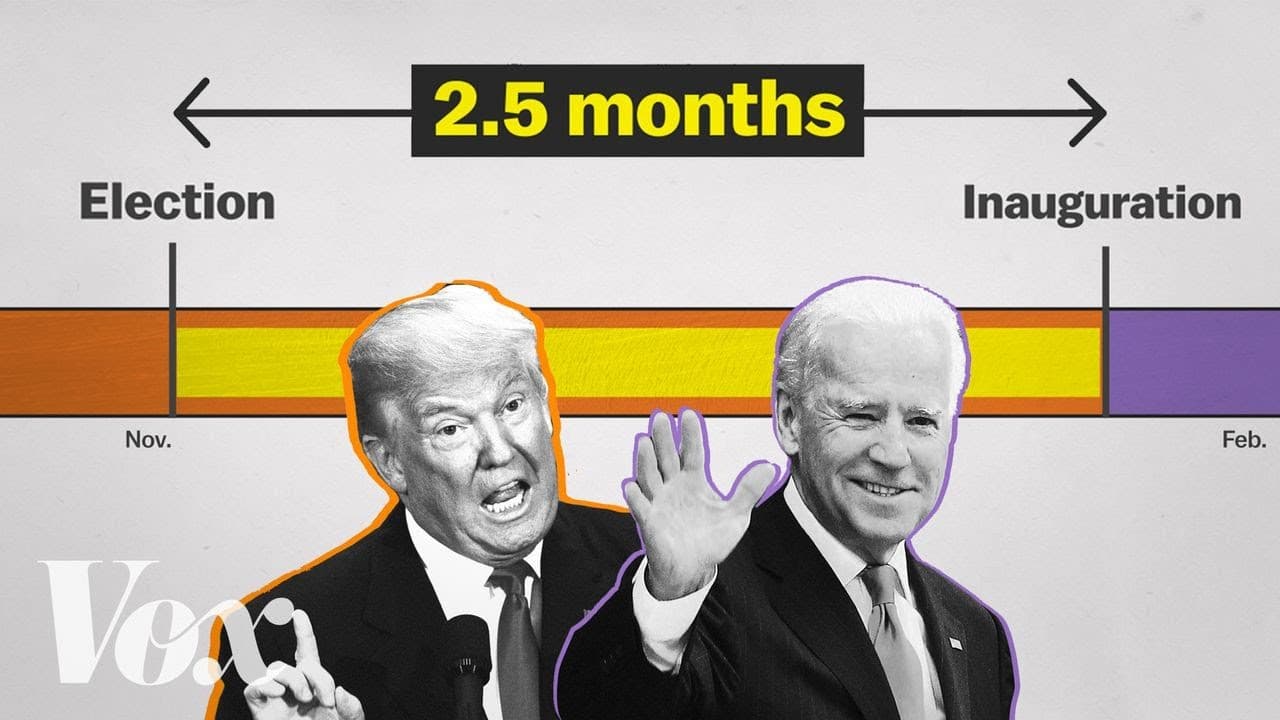
The US presidential transition takes two and a half months for logistical reasons.
Transcript
Two weeks after the 2008 election, George W. Bush’s family gave Barack Obama’s family a tour of their new home, the White House. It was part of a long American tradition, of the outgoing president’s family meeting with the incoming family, just as the Clintons had done for the Bushes eight years before, and the Bushes had done for the Clintons eigh... Read More
Key Insights
- The US presidential transition period is traditionally about two and a half months, starting after Election Day in November and ending on Inauguration Day in January.
- This transition period allows for a smooth transfer of power, ensuring that thousands of federal jobs are filled and new hires are briefed on their roles.
- The transition period was shortened from four months after FDR's election due to the need for a quicker governmental changeover.
- Delays in the transition, such as those seen in 2020, can occur if the incumbent does not concede, affecting the incoming administration's preparedness.
- The 2000 election delay due to a close race highlighted the importance of a timely transition for national security readiness.
- The media's projection of the election winner on election night holds no formal weight; official results are certified later by the states and the Electoral College.
- In 2020, despite widespread agreement on the election outcome, the transition was delayed due to the incumbent's refusal to concede.
- The transition period is essential for the incoming administration to receive important briefings on national security and other critical issues.
Install to Summarize YouTube Videos and Get Transcripts
Explore YouTube Video Summarizer or Get YouTube Transcript Extractor
Questions & Answers
Q: Why is the US presidential transition period two and a half months long?
The US presidential transition period is two and a half months long to allow for a smooth transfer of power. This period is necessary for filling thousands of federal positions, briefing new hires, and ensuring the incoming administration is fully prepared to handle national security and other critical issues upon taking office.
Q: What happens during the presidential transition period?
During the presidential transition period, the outgoing administration assists the incoming administration in filling federal positions, briefing new hires on their roles, and preparing for national security and other critical issues. This period is crucial for ensuring continuity of government and a seamless transfer of power.
Q: How did the 2020 presidential transition differ from previous ones?
The 2020 presidential transition differed from previous ones due to the incumbent's refusal to concede, which delayed the start of the transition process. This delay impacted the incoming administration's ability to prepare for national security and other critical issues, highlighting the importance of a timely transition.
Q: Why was the presidential transition period shortened after FDR's election?
The presidential transition period was shortened after FDR's election from four months to two and a half months to allow for a quicker governmental changeover. This change was made to ensure the incoming administration could take office more swiftly, particularly during times of crisis, such as the Great Depression.
Q: What role does the media play in the presidential election process?
The media plays a role in projecting the winner of the presidential election on election night, but these projections hold no formal weight. The official election results are certified later by each state and the Electoral College, which officially determines the winner of the election.
Q: What are the consequences of a delayed presidential transition?
A delayed presidential transition can have significant consequences, particularly in terms of national security. The incoming administration may be less prepared to handle critical issues if the transition period is shortened, as seen in 2000 and 2020, when delays impacted the readiness of the new administration.
Q: How does the presidential transition affect national security?
The presidential transition affects national security by ensuring the incoming administration is briefed on current threats and prepared to handle them upon taking office. Delays in the transition can hinder the new administration's readiness to address national security issues, as seen in the aftermath of the 2000 election.
Q: Why is the presidential transition considered a tradition and not a rule?
The presidential transition is considered a tradition because it relies on the outgoing administration's cooperation to ensure a smooth transfer of power. While there are legal frameworks in place, the effectiveness of the transition often depends on the incumbent's willingness to concede and assist the incoming administration.
Summary & Key Takeaways
-
The US presidential transition period, lasting about two and a half months, is designed to ensure a smooth transfer of power between administrations. This period allows for the filling of thousands of federal jobs and briefing of new hires on their responsibilities.
-
Historically, the transition period was even longer, at four months, but was shortened after FDR's election. Delays in the transition, such as in 2020, can impact the incoming administration's readiness, particularly in national security matters.
-
The media's election night projections do not carry formal weight; official results are certified later. The 2020 transition was delayed due to the incumbent's refusal to concede, highlighting the importance of this period for national governance.
Read in Other Languages (beta)
Share This Summary 📚
Summarize YouTube Videos and Get Video Transcripts with 1-Click
Try YouTube Summary with ChatGPT & Claude or YouTube Transcript Generator
Explore More Summaries from Vox 📚




Summarize YouTube Videos and Get Video Transcripts with 1-Click
Try YouTube Summary with ChatGPT & Claude or YouTube Transcript Generator