How to Prevent Heart Attacks and Strokes
TL;DR
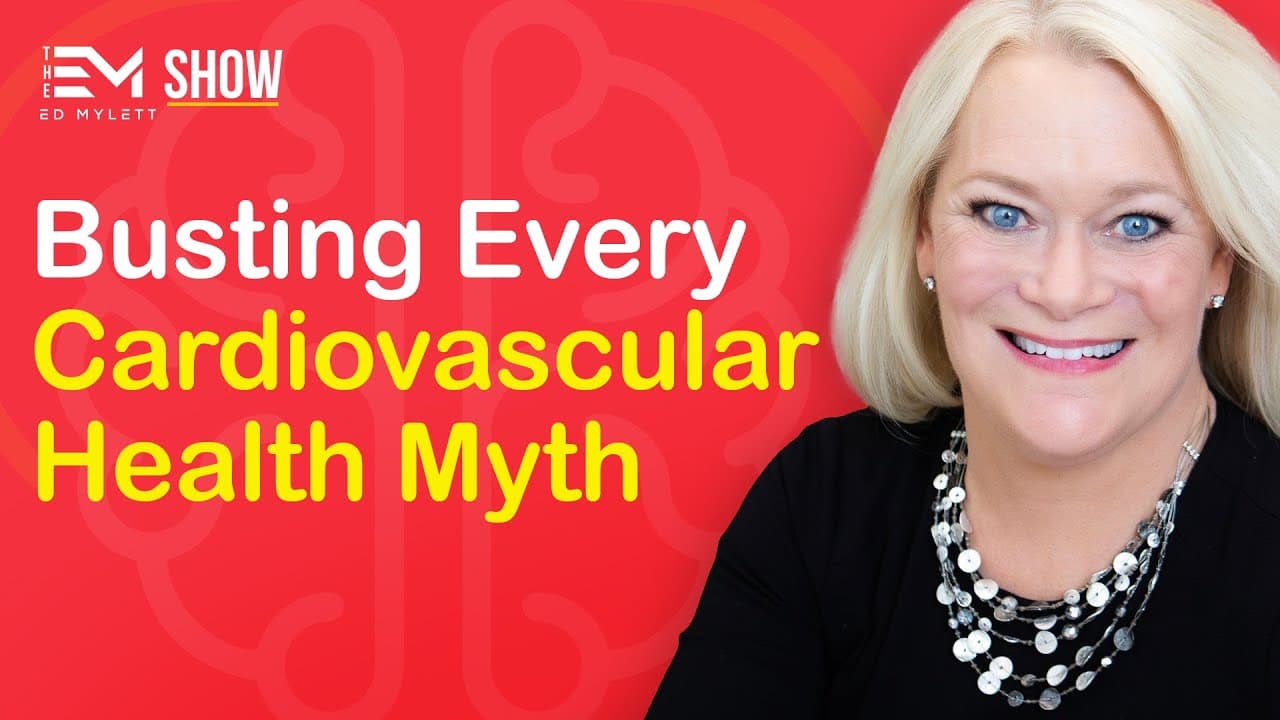
Dr. Amy Doneen provides insights into preventing heart attacks and strokes by focusing on arterial health, identifying red flags like diagonal earlobe creases, and understanding the role of blood pressure and cholesterol. She emphasizes the importance of early detection and treatment for conditions like insulin resistance and periodontal disease, which are linked to cardiovascular health.
Transcript
young women under the age of 44 have the highest rate of recidivistic stroke why yeah because what happens is these women have these weird symptoms or let's say a stroke symptom or a heart attack and they they don't have any obvious risk factors so they leave with the diagnosis of what's called cryptogenic stroke and that's a fancy way to say we do... Read More
Key Insights
- Young women under 44 have the highest rate of recidivistic stroke, often leaving with a diagnosis of cryptogenic stroke.
- The current healthcare system is a sick care model, often addressing diseases only after they manifest.
- Blood pressure should ideally be under 120/80 to reduce heart attack and stroke risk significantly.
- Insulin resistance is a precursor to type 2 diabetes and affects 70% of people with heart disease.
- Lipoprotein little a is a genetic lipid abnormality linked to heart attacks and should be checked.
- Periodontal disease is linked to cardiovascular health, with certain bacteria causing vascular inflammation.
- Psychosocial health, including stress and perceived lack of control, impacts cardiovascular health.
- Vitamin D deficiency affects nitric oxide levels in arteries and is linked to cardiovascular issues.
Install to Summarize YouTube Videos and Get Transcripts
Explore YouTube Video Summarizer or Get YouTube Transcript Extractor
Questions & Answers
Q: How to prevent heart attacks and strokes?
Preventing heart attacks and strokes involves monitoring arterial health, maintaining optimal blood pressure, and recognizing early warning signs like diagonal earlobe creases. It's crucial to address insulin resistance and check for genetic factors such as lipoprotein little a. Good oral hygiene and managing psychosocial stress are also important in reducing cardiovascular risks.
Q: What are the red flags for heart attacks?
Red flags for heart attacks include diagonal earlobe creases, male pattern baldness, and fat deposits around the eyes. These signs indicate potential cardiovascular issues and should prompt further medical evaluation. Recognizing these early signs can lead to timely intervention and prevention of heart attacks.
Q: Why is blood pressure important for heart health?
Blood pressure is crucial for heart health as high levels can lead to increased risk of heart attacks, strokes, and dementia. Ideally, blood pressure should be under 120/80 to significantly reduce these risks. Regular monitoring and management of blood pressure are essential for maintaining cardiovascular health.
Q: How does insulin resistance affect heart health?
Insulin resistance is a precursor to type 2 diabetes and affects 70% of individuals with heart disease. It leads to cholesterol abnormalities, increased blood pressure, and inflammation in the arteries. Early detection and management of insulin resistance can prevent the progression to diabetes and reduce cardiovascular risks.
Q: What is lipoprotein little a and why is it important?
Lipoprotein little a is a genetic lipid abnormality that increases the risk of heart attacks. It causes cholesterol to oxidize and accumulate in artery walls, leading to vascular inflammation. Checking for lipoprotein little a can identify individuals at higher risk and guide appropriate preventive measures.
Q: How is oral health connected to heart health?
Oral health is linked to heart health through the presence of certain bacteria that cause periodontal disease and vascular inflammation. These bacteria can lead to oxidative stress and cholesterol trapping in artery walls, increasing the risk of cardiovascular disease. Maintaining good oral hygiene is essential for heart health.
Q: What lifestyle factors impact cardiovascular health?
Lifestyle factors impacting cardiovascular health include diet, exercise, sleep, and psychosocial health. Stress and perceived lack of control can trigger inflammatory responses, affecting heart health. Managing stress, maintaining a healthy diet, and ensuring adequate sleep are crucial for reducing cardiovascular risks.
Q: Why is vitamin D important for cardiovascular health?
Vitamin D is important for cardiovascular health as its deficiency can lead to increased inflammation and reduced nitric oxide levels in arteries. This can cause cholesterol to oxidize and accumulate in artery walls, increasing heart disease risk. Maintaining adequate vitamin D levels supports arterial health and reduces cardiovascular risks.
Summary & Key Takeaways
-
Dr. Amy Doneen discusses the importance of arterial health and early detection of cardiovascular risks. She highlights the need for proactive measures like monitoring blood pressure and recognizing red flags such as diagonal earlobe creases. Doneen emphasizes that the current healthcare model often addresses diseases only after they manifest, advocating for a shift towards prevention.
-
The video explores the role of insulin resistance as a precursor to type 2 diabetes and its impact on heart health. Dr. Doneen stresses the significance of understanding genetic factors like lipoprotein little a, which is linked to heart attacks, and the importance of checking for it. She also addresses the connection between oral health and cardiovascular health, noting that certain bacteria can cause vascular inflammation.
-
Psychosocial health is highlighted as a critical factor in cardiovascular wellness, with stress and perceived lack of control contributing to heart disease. Dr. Doneen recommends lifestyle changes, including managing stress and maintaining optimal vitamin D levels, to support heart health. The video underscores the importance of a comprehensive approach to cardiovascular disease prevention.
Read in Other Languages (beta)
Share This Summary 📚
Summarize YouTube Videos and Get Video Transcripts with 1-Click
Try YouTube Summary with ChatGPT & Claude or YouTube Transcript Generator
Explore More Summaries from Ed Mylett 📚





Summarize YouTube Videos and Get Video Transcripts with 1-Click
Try YouTube Summary with ChatGPT & Claude or YouTube Transcript Generator