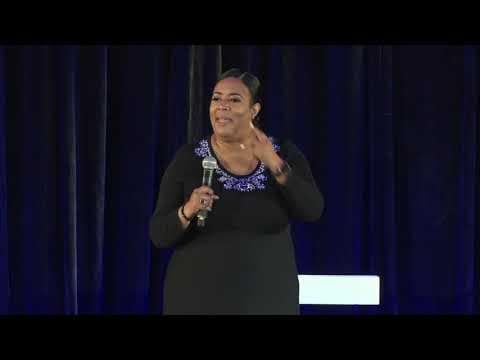
Underrepresented Perspective of OCD | Jacqueline Simeral | TEDxLickWilmerdingHS

TL;DR
OCD is a neurobiological disorder characterized by unwanted thoughts and repetitive behaviors. Treatment involves exposure with response prevention, but diagnosis and access to treatment can be challenging, and OCD impacts not only the individual but also their entire family.
Transcript
foreign [Applause] for those of you who don't know what OCD is it stands for obsessive compulsive disorder and it's a treatable neurobiological disorder characterized by recurring unwanted thoughts to our obsessions and repetitive behaviors called compulsions compulsions can present themselves in many forms such as counting cleaning praying checkin... Read More
Key Insights
- 👯 OCD affects one in every 100 people, regardless of demographics.
- 🧡 Compulsions in OCD can range from counting and cleaning to praying and checking.
- 💭 Intrusive thoughts play a significant role in fueling OCD, causing individuals distress and anxiety.
- ❓ Exposure with response prevention (Erp) is an effective treatment for OCD but requires a diagnosis, which can be challenging to obtain.
- 🫒 Living with OCD is a daily struggle for individuals and greatly impacts their relationships and overall well-being.
- 👪 OCD not only affects the diagnosed individual but also has a profound impact on their family.
- ⚾ It is essential to treat individuals with OCD based on their abilities and strengths, not solely defining them by their disorder.
Install to Summarize YouTube Videos and Get Transcripts
Explore YouTube Video Summarizer or Get YouTube Transcript Extractor
Questions & Answers
Q: What is OCD and how does it impact people's lives?
Obsessive-compulsive disorder (OCD) is a neurobiological disorder that causes unwanted thoughts and rituals. It significantly impacts an individual's life, monopolizing their time, causing emotional stress, and hindering relationships.
Q: How do intrusive thoughts contribute to OCD?
Intrusive thoughts play a crucial role in every type of OCD, instilling fear in individuals and leading to compulsions. These thoughts can range from harmful actions to disturbing scenarios that individuals wouldn't typically think of.
Q: How does exposure with response prevention (Erp) help in treating OCD?
Erp is a form of cognitive-behavioral therapy that involves exposing individuals to their fears and preventing them from engaging in rituals. By realizing that their feared outcomes won't happen, individuals can gain control over their OCD symptoms.
Q: Why is OCD often undiagnosed or untreated?
It takes an average of 14 to 17 years from the onset of symptoms to receive an OCD diagnosis and access effective treatment. Many people dismiss OCD as being exaggerated or made up, leading to delayed or insufficient support.
Summary & Key Takeaways
-
OCD is a treatable neurobiological disorder characterized by recurring unwanted thoughts and repetitive behaviors called compulsions.
-
Compulsions can manifest in various forms, such as counting, cleaning, praying, and checking.
-
OCD affects one in every 100 people, regardless of age, gender, race, culture, ethnicity, or socioeconomic status.
Read in Other Languages (beta)
Share This Summary 📚
Summarize YouTube Videos and Get Video Transcripts with 1-Click
Try YouTube Summary with ChatGPT & Claude or YouTube Transcript Generator
Explore More Summaries from TEDx Talks 📚





Summarize YouTube Videos and Get Video Transcripts with 1-Click
Try YouTube Summary with ChatGPT & Claude or YouTube Transcript Generator