How to Break Through a Fat Loss Plateau
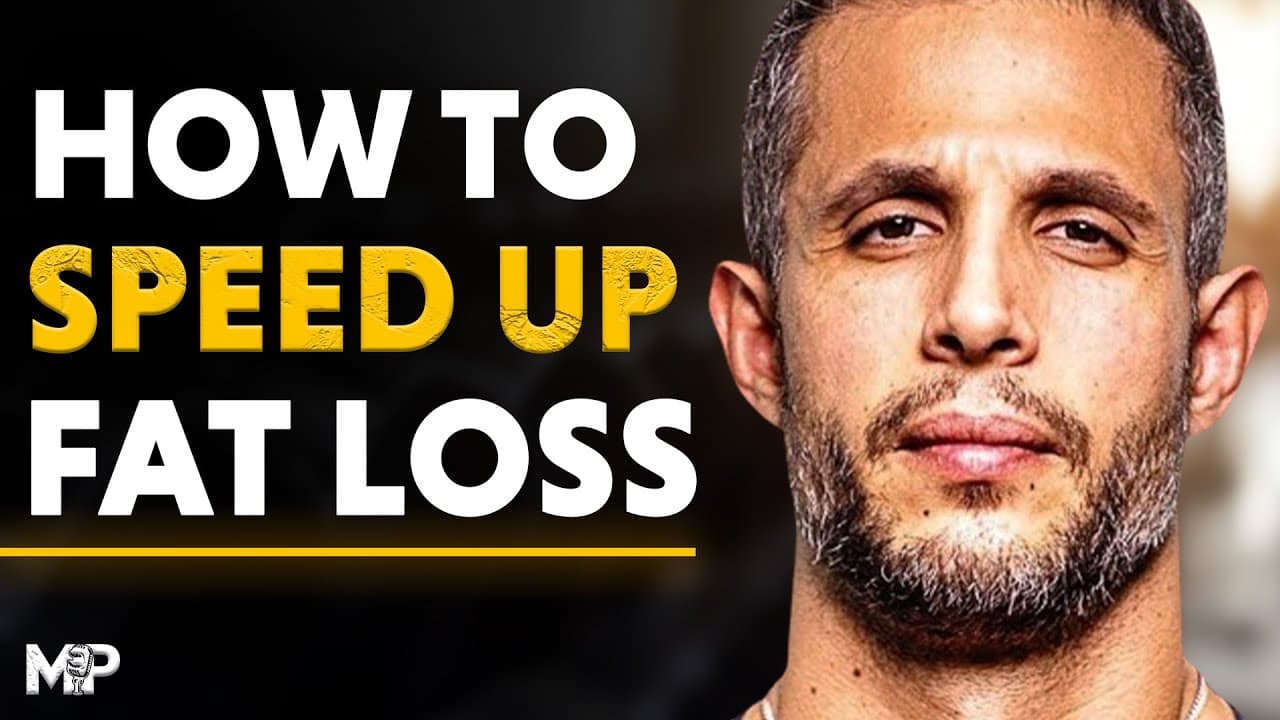
TL;DR
Fat loss plateaus often occur due to common mistakes like consuming too many or too few calories, sticking to the same workout routine, or not allowing enough recovery time. To overcome these, track your caloric intake accurately, vary your workout routine to encourage new adaptations, and ensure adequate rest and recovery. Addressing these factors can reignite fat loss and improve overall fitness.
Transcript
if you're a female and you can't lose body fat on 1400 calories or you're a man and you can't lose body fat on like 1800 calories you probably should focus on boosting your metabolism when you are in a calorie deficit that's really big for too long yes you'll lose weight but your body really your body's always trying to match the calories that you'... Read More
Key Insights
- Caloric intake is crucial; consuming too many or too few calories can stall fat loss.
- Metabolism adapts to caloric intake, so prolonged low-calorie diets can slow metabolism.
- Changing workout routines can stimulate new muscle adaptations and improve metabolism.
- Adequate recovery is essential; overtraining can lead to the body holding onto fat.
- Poor health, including gut issues or hormonal imbalances, can impede fat loss progress.
- Tracking food intake and activity levels can provide insights into caloric balance.
- Stress and inadequate sleep can negatively impact weight loss efforts.
- Understanding natural weight fluctuations can prevent overreactions to perceived plateaus.
Install to Summarize YouTube Videos and Get Transcripts
Explore YouTube Video Summarizer or Get YouTube Transcript Extractor
Questions & Answers
Q: How can consuming too few calories affect fat loss?
Consuming too few calories for an extended period can slow down your metabolism. The body adapts by reducing energy expenditure, often leading to muscle loss and decreased overall calorie burn. This adaptation can cause weight loss to plateau, as the body aims to conserve energy. It's crucial to maintain a moderate caloric deficit to avoid these negative effects.
Q: Why is changing your workout routine important for fat loss?
Changing your workout routine is important because it encourages new muscle adaptations, which can boost metabolism and facilitate fat loss. Sticking to the same routine can lead to a plateau as the body becomes efficient and stops responding to the stimulus. Varying exercises, intensity, and volume can reignite progress and improve overall fitness.
Q: How does stress impact weight loss efforts?
Stress can significantly impact weight loss efforts by increasing the production of cortisol, a hormone that promotes fat storage, particularly in the abdominal area. Chronic stress can also lead to poor sleep and increased cravings for high-calorie foods, further hindering weight loss. Managing stress through relaxation techniques and adequate rest can support better weight management.
Q: What role does recovery play in breaking a fat loss plateau?
Recovery plays a critical role in breaking a fat loss plateau because it allows the body to repair, adapt, and grow stronger. Overtraining without adequate rest can lead to increased stress, muscle loss, and the body holding onto fat as a protective mechanism. Ensuring sufficient recovery time helps optimize hormonal balance and supports continued fat loss.
Q: How can poor health affect fat loss progress?
Poor health, such as gut issues, hormonal imbalances, or nutrient deficiencies, can impede fat loss progress by disrupting metabolic processes. These health issues can lead to increased inflammation, impaired digestion, and altered hormone levels, all of which can hinder the body's ability to burn fat efficiently. Prioritizing overall health is essential for effective weight management.
Q: Why is tracking food intake important for fat loss?
Tracking food intake is important for fat loss because it provides a clear picture of caloric consumption and nutrient distribution. Many people underestimate their calorie intake, leading to unintentional surpluses that stall weight loss. By accurately tracking food, individuals can ensure they maintain a caloric deficit necessary for fat loss while also meeting nutritional needs.
Q: How can natural weight fluctuations affect perceived plateaus?
Natural weight fluctuations, caused by factors like water retention, hormonal changes, or recent food intake, can affect perceived plateaus by masking true fat loss progress. These fluctuations can lead to frustration and unnecessary changes in diet or exercise. Understanding that such fluctuations are normal can help maintain a consistent approach and avoid overreactions.
Q: What is the significance of sleep in weight loss?
Sleep is significant in weight loss because it influences hormone regulation, appetite control, and recovery. Poor sleep can lead to increased hunger hormones, decreased satiety hormones, and impaired glucose metabolism, all of which can contribute to weight gain. Ensuring adequate, quality sleep supports metabolic health and enhances the body's ability to lose fat effectively.
Summary & Key Takeaways
-
Fat loss plateaus are common but can be overcome by addressing key factors like caloric intake, workout routine, and recovery. Consuming too many or too few calories can hinder progress, so accurate tracking is essential. Varying workouts to encourage new muscle adaptations can boost metabolism and aid fat loss.
-
Recovery is crucial in breaking through plateaus. Overtraining can cause the body to hold onto fat as a protective measure. Ensuring adequate rest and addressing poor health, such as gut issues or hormonal imbalances, can improve fat loss outcomes.
-
Tracking food intake and understanding natural weight fluctuations can prevent overreactions. Stress and inadequate sleep also play significant roles in weight loss, so managing these can enhance fat loss efforts. Overall, a balanced approach focusing on health and adaptation is key.
Read in Other Languages (beta)
Share This Summary 📚
Summarize YouTube Videos and Get Video Transcripts with 1-Click
Try YouTube Summary with ChatGPT & Claude or YouTube Transcript Generator
Explore More Summaries from Mind Pump Show 📚
Summarize YouTube Videos and Get Video Transcripts with 1-Click
Try YouTube Summary with ChatGPT & Claude or YouTube Transcript Generator