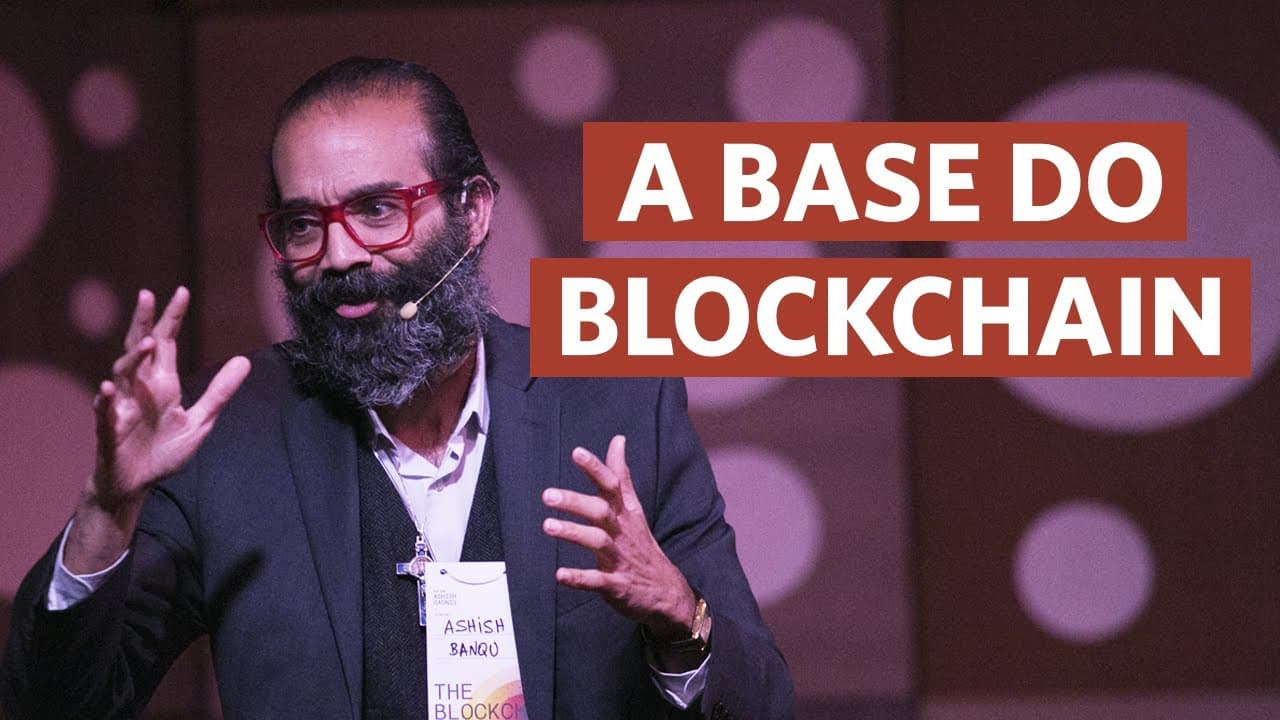
A lógica por trás do blockchain | Ashish Gadnis
TL;DR
Blockchain democratizes information by removing intermediaries in transactions.
Transcript
now let's go back 5,000 years ago if you've ever been to a funeral in Africa I lived in uh I spent a lot of time in Congo for about two two and a half years I still do unfortunately I got to go to 12 funerals of children under the age of five that die because they have malnutrition I'm not trying to make you sad but I'm going to give you the why bl... Read More
Key Insights
- Ashish Gadnis uses a village funeral practice as an analogy to explain blockchain's decentralized nature, where everyone maintains a copy of transaction records.
- The lack of a central authority in the village example mirrors blockchain's decentralized ledger, ensuring transparency and reducing manipulation risks.
- Blockchain technology aims to eliminate intermediaries like banks and governments, fostering direct trust between individuals in transactions.
- Centralized data storage is vulnerable to hacking and privacy issues, which blockchain seeks to address by distributing data across multiple nodes.
- The analogy highlights the importance of consensus and trust, fundamental components of blockchain technology, ensuring all parties agree on transaction records.
- Blockchain promises to democratize access to information and assets, potentially reducing social inequality by providing equal opportunities for participation.
- A distributed ledger system like blockchain can revolutionize various industries, including finance, intellectual property, and even voting systems.
- By removing intermediaries, blockchain can lower transaction costs and increase efficiency, benefiting both individuals and businesses globally.
Install to Summarize YouTube Videos and Get Transcripts
Explore YouTube Video Summarizer or Get YouTube Transcript Extractor
Questions & Answers
Q: How does the village analogy relate to blockchain?
The village analogy illustrates blockchain's decentralized nature, where each villager keeps a record of contributions, similar to how blockchain participants maintain a shared ledger. This system fosters transparency and trust without a central authority, ensuring everyone has access to the same information, reducing the risk of manipulation.
Q: Why is the lack of a central authority important in blockchain?
The absence of a central authority in blockchain is crucial because it prevents data manipulation and ensures transparency. By distributing the ledger across multiple nodes, blockchain reduces the risk of a single point of failure and allows for a more secure, tamper-proof record of transactions, fostering trust among participants.
Q: What problems does blockchain address in current transaction systems?
Blockchain addresses issues in current transaction systems by eliminating intermediaries, reducing hacking risks, and enhancing privacy. Centralized systems are vulnerable to data breaches and manipulation, while blockchain's decentralized nature ensures that data is distributed and secure, providing a more trustworthy transaction environment.
Q: How can blockchain reduce social inequality?
Blockchain can reduce social inequality by democratizing access to information and transaction capabilities. By removing intermediaries, blockchain lowers barriers to entry, allowing more people to participate in economic activities. This inclusivity can empower marginalized communities, providing them equal opportunities to engage in global commerce and asset management.
Q: What industries could blockchain revolutionize?
Blockchain has the potential to revolutionize several industries, including finance, intellectual property, and voting systems. By providing a secure, transparent, and efficient way to conduct transactions, blockchain can streamline operations, reduce costs, and enhance trust, leading to significant improvements in how these industries function and serve their clients.
Q: How does blockchain enhance transaction efficiency?
Blockchain enhances transaction efficiency by removing intermediaries and streamlining processes. With a decentralized ledger, transactions can be verified and recorded directly between parties, reducing time and costs associated with traditional methods. This efficiency benefits both individuals and businesses, making transactions faster and more cost-effective.
Q: What role does trust play in blockchain technology?
Trust is fundamental to blockchain technology, as it relies on consensus among participants to verify and record transactions. The decentralized nature ensures that all parties have access to the same information, fostering transparency and reducing the likelihood of fraudulent activities. This trust mechanism is essential for blockchain's integrity and reliability.
Q: How does blockchain address data privacy concerns?
Blockchain addresses data privacy concerns by distributing data across multiple nodes, reducing the risk of centralized breaches. Each transaction is encrypted and recorded on a decentralized ledger, ensuring that personal information remains secure and private. This structure provides a more robust defense against unauthorized access and data manipulation.
Summary & Key Takeaways
-
Ashish Gadnis explains blockchain using a village funeral system where everyone contributes equally, highlighting the decentralized and transparent nature of blockchain technology.
-
Blockchain eliminates intermediaries by creating a decentralized ledger, reducing risks of data manipulation and fostering direct trust among transaction participants.
-
The technology aims to democratize information, offering equal access to transaction capabilities and potentially reducing social inequality by removing traditional barriers.
Read in Other Languages (beta)
Share This Summary 📚
Summarize YouTube Videos and Get Video Transcripts with 1-Click
Try YouTube Summary with ChatGPT & Claude or YouTube Transcript Generator
Explore More Summaries from Endeavor Brasil 📚

![[KES] Growth Hacking: As Novas Tendências do Marketing - Ryan Holiday thumbnail](/_next/image?url=https%3A%2F%2Fi.ytimg.com%2Fvi%2F0p6ciu4imnU%2Fhqdefault.jpg&w=750&q=75)
Summarize YouTube Videos and Get Video Transcripts with 1-Click
Try YouTube Summary with ChatGPT & Claude or YouTube Transcript Generator