How Amsterdam Became a Bicycle Paradise
TL;DR
Amsterdam's shift to a bike-friendly city was driven by public demand.
Transcript
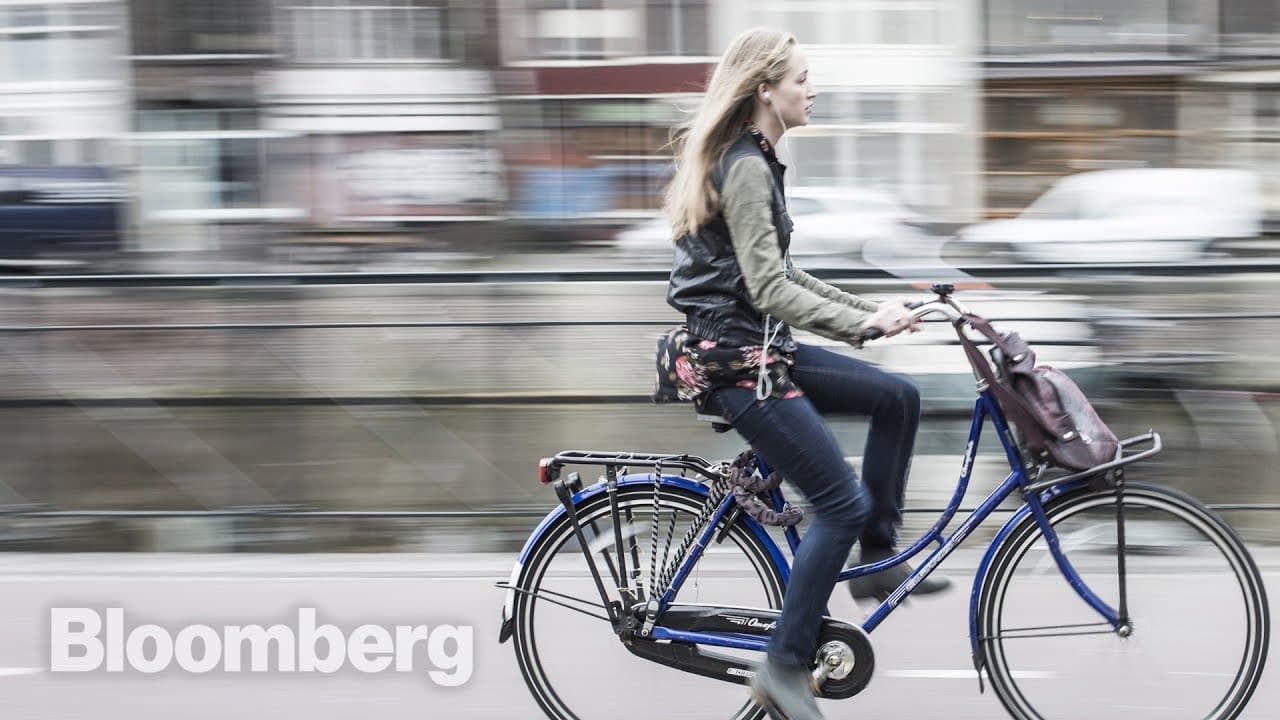
The Netherlands is known as a cyclists paradise. Its safety levels, one of the best in the world, are in staggering contrast with the US, where you’re around 20 times more likely to be injured while riding a bike. In the Dutch capital nearly half the working population commutes daily on over 500 km of dedicated cycle paths. But the city only narrow... Read More
Key Insights
- Amsterdam nearly became car-centric post-WWII, but public protests and strategic planning shifted it towards cycling.
- The rise of car ownership in the 1960s threatened Amsterdam's traditional street layout, prompting plans for expressways.
- Protests in the 1970s, including 'Stop De Kindermoord', highlighted the dangers of increased car traffic, influencing policy changes.
- The 1973 oil crisis accelerated the shift towards cycling as fuel prices rose, leading to increased bicycle sales.
- The Traffic Circulation Plan of 1978 prioritized cyclists by closing streets to traffic and reducing car parking spaces.
- Woonerf, or 'living streets', were introduced to slow down traffic and prioritize pedestrians and cyclists.
- Today, a quarter of the Dutch population cycles daily, with a significant number of children cycling to school.
- Research indicates that more cyclists on the road correlate with fewer casualties, demonstrating safety in numbers.
Install to Summarize YouTube Videos and Get Transcripts
Explore YouTube Video Summarizer or Get YouTube Transcript Extractor
Questions & Answers
Q: What prompted Amsterdam to shift towards a bike-friendly city?
The shift was largely prompted by public protests in the 1970s against the rising number of traffic fatalities. Groups like 'Stop De Kindermoord' highlighted the dangers of increased car traffic, leading to government policies that prioritized cycling and reduced car dominance in the city.
Q: How did the 1973 oil crisis influence Amsterdam's urban planning?
The 1973 oil crisis led to a sharp increase in fuel prices, making cycling a more attractive option for transportation. This economic shift, combined with public pressure, encouraged the government to implement policies that promoted cycling, such as the Traffic Circulation Plan, which reduced car accessibility and increased bicycle infrastructure.
Q: What is the Traffic Circulation Plan, and how did it affect Amsterdam?
Introduced in 1978, the Traffic Circulation Plan aimed to make Amsterdam less attractive to drivers by closing certain streets to traffic, reducing car parking spaces, and prioritizing cyclists and pedestrians. This plan significantly contributed to the city's transformation into a bike-friendly environment, reducing car dominance and enhancing safety.
Q: What role did 'Woonerf' or 'living streets' play in Amsterdam's cycling transformation?
Woonerf, or 'living streets', were designed to slow down traffic and create shared spaces for pedestrians and cyclists. By eliminating sidewalks and requiring drivers to move at walking pace, these streets reduced traffic casualties and encouraged more people to cycle, contributing to Amsterdam's reputation as a cycling haven.
Q: How did public protests influence Amsterdam's shift to a cycling city?
Public protests, especially by groups like 'Stop De Kindermoord', were instrumental in raising awareness about the dangers of car-centric urban planning. These protests pressured the government to rethink its approach, leading to policies that prioritized cycling and pedestrian safety over car convenience, shaping Amsterdam's modern cycling infrastructure.
Q: What impact did increased bicycle sales have on Amsterdam's urban environment?
Increased bicycle sales, spurred by the 1973 oil crisis and public advocacy, led to a greater demand for cycling infrastructure. This demand prompted the government to invest in dedicated cycle paths and implement policies that reduced car traffic, transforming Amsterdam into a safer and more sustainable city for cyclists.
Q: How has Amsterdam's cycling infrastructure affected safety on the roads?
Amsterdam's extensive cycling infrastructure has significantly improved road safety by reducing car traffic and creating dedicated spaces for cyclists. Research shows a correlation between higher numbers of cyclists and lower casualties, demonstrating that increased cycling participation can enhance safety for all road users.
Q: What lessons can other cities learn from Amsterdam's approach to cycling?
Other cities can learn the importance of public engagement, strategic urban planning, and the prioritization of cycling infrastructure. Amsterdam's success shows that reducing car dominance and encouraging cycling can lead to safer, more sustainable urban environments, benefiting public health and reducing environmental impact.
Summary & Key Takeaways
-
Amsterdam's transformation into a cycling city was spurred by public protests against rising traffic fatalities in the 1970s. The government responded with policies to reduce car traffic and promote cycling, leading to a safer and more sustainable urban environment.
-
The 1973 oil crisis played a critical role in shifting Amsterdam's focus from cars to bicycles, as rising fuel prices made cycling a more attractive option. This shift was supported by strategic urban planning and public advocacy for safer streets.
-
Today, Amsterdam is a model for bike-friendly cities worldwide, with extensive cycling infrastructure and a high percentage of the population using bicycles for daily commutes. The city's success demonstrates the power of public engagement and thoughtful urban design in shaping sustainable transport solutions.
Read in Other Languages (beta)
Share This Summary 📚
Summarize YouTube Videos and Get Video Transcripts with 1-Click
Try YouTube Summary with ChatGPT & Claude or YouTube Transcript Generator
Explore More Summaries from Bloomberg Originals 📚






Summarize YouTube Videos and Get Video Transcripts with 1-Click
Try YouTube Summary with ChatGPT & Claude or YouTube Transcript Generator