How Is AI Helped Preserve Holocaust Survivor Stories?
TL;DR
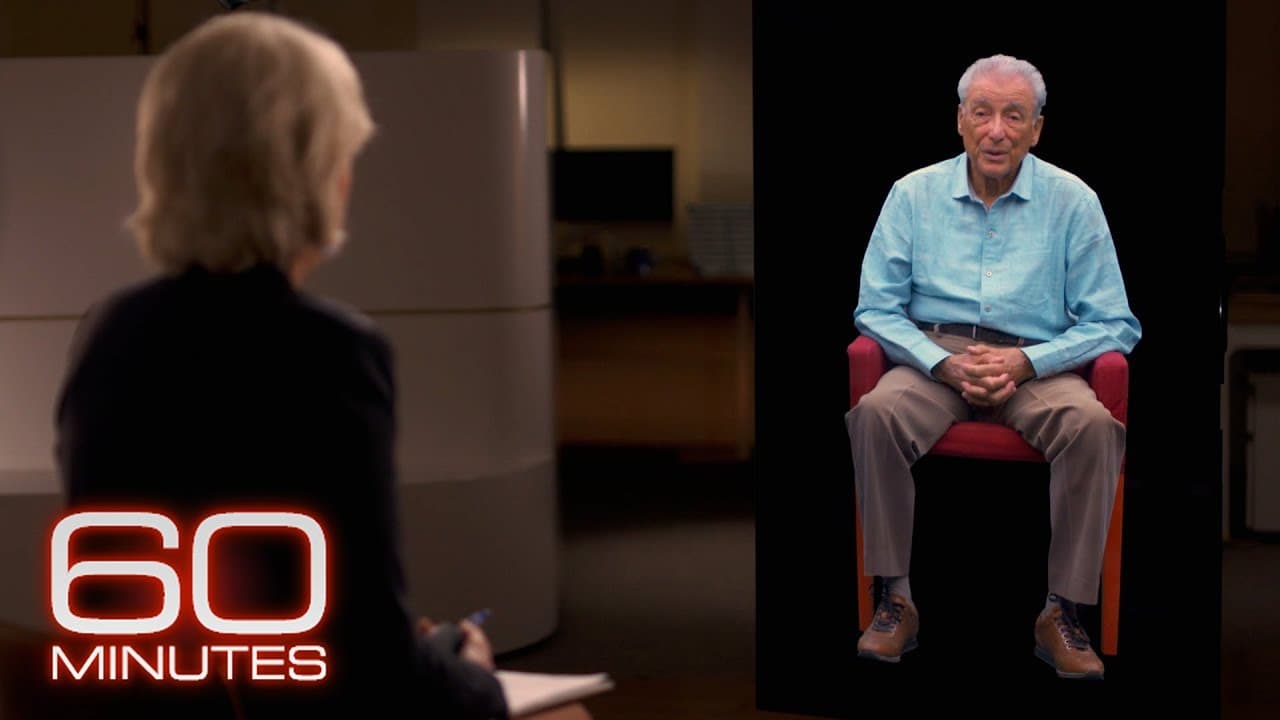
AI technology is being used to preserve the stories of Holocaust survivors by creating interactive hologram-like projections that allow future generations to have conversations with them. This project enables viewers to ask questions and receive answers from recorded interviews, ensuring the legacies of survivors like Aaron Elster and Eva Core continue to educate and embody resilience for years to come.
Transcript
60 minutes rewind tonight as the world struggles to contain and recover from the novel coronavirus we offer a story we completed just before life changed so dramatically it is a story of history hope survival and resilience which has its roots in another time when the world was convulsed by crisis world war ii this year marks the 75th ann... Read More
Key Insights
- 🛟 The USC Showa Foundation is using technology to preserve the stories and legacies of Holocaust survivors for future generations.
- 😀 The project faced initial skepticism but received overwhelming support from survivors eager to participate.
- 👻 The technology allows for interactive conversations with survivors, enhancing the learning experience for future generations.
- 💨 The project is a creative way to combat the aging and eventual loss of the last Holocaust survivors.
- 🤞 The interviews provide insight into the resilience, hope, and survival of those who experienced the Holocaust firsthand.
- 😒 The use of AI and hologram-like projections showcases the possibilities of technology in preserving and sharing history.
- ✊ The project is a testament to the power of shared memory and the importance of remembering the Holocaust.
Install to Summarize YouTube Videos and Get Transcripts
Explore YouTube Video Summarizer or Get YouTube Transcript Extractor
Questions & Answers
Q: How does the project use technology to allow conversations with Holocaust survivors?
The USC Showa Foundation uses AI and 3D hologram-like projections to record interviews, allowing future generations to ask questions and receive answers as if they were having a real conversation with the survivor.
Q: What challenges were faced during the recording process?
The project initially faced technical difficulties, including camera malfunctions. However, they were able to overcome these challenges and successfully record the interviews.
Q: How are the interviews stored and accessed?
The interviews are stored in a database, and when someone asks a question, the AI algorithm searches for the closest matching response. The interviews can be accessed at various Holocaust museums and potentially online in the future.
Q: How do Holocaust survivors feel about participating in the project?
Many survivors have expressed interest in participating and see it as an opportunity to share their stories and ensure their legacies live on. Some survivors have different perspectives on forgiveness and faith, adding diversity to the project.
Summary & Key Takeaways
-
The USC Showa Foundation is using AI and hologram technology to record interviews with Holocaust survivors, allowing future generations to have interactive conversations with them.
-
The project aims to future-proof the interviews, using 3D hologram-like projections to create immersive experiences.
-
Survivors like Aaron Elster and Eva Core have participated in the project, sharing their stories and answering thousands of questions.
Read in Other Languages (beta)
Share This Summary 📚
Summarize YouTube Videos and Get Video Transcripts with 1-Click
Try YouTube Summary with ChatGPT & Claude or YouTube Transcript Generator
Explore More Summaries from 60 Minutes 📚


Summarize YouTube Videos and Get Video Transcripts with 1-Click
Try YouTube Summary with ChatGPT & Claude or YouTube Transcript Generator