Chris Grant: Redlining Black Businesses

TL;DR
Racism is still prevalent in our systems today, as seen in the practice of redlining, which has limited economic opportunities for black communities.
Transcript
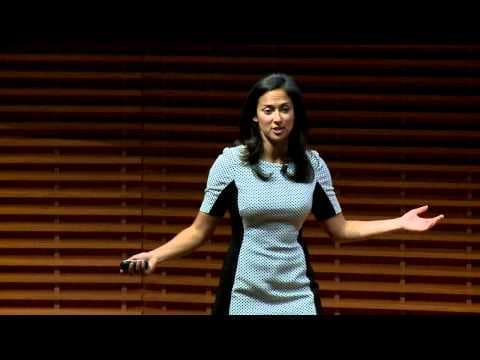
[MUSIC] Many people would like to think that racism is a thing of the past, but I'm here to tell you that racism is institutionalized and very much a part of our systems today. Prior to business school I spent a lot of my spare time advising small businesses. And during that time I saw time and time again that they could be two businesses with virt... Read More
Key Insights
- 👥 Racism is still present within our systems and institutions, limiting opportunities for certain groups.
- 🥺 Redlining in the past has led to ongoing racial and socioeconomic disparities in communities.
- ❓ The Community Reinvestment Act has not adequately addressed or rectified the issues caused by redlining.
Install to Summarize YouTube Videos and Get Transcripts
Explore YouTube Video Summarizer or Get YouTube Transcript Extractor
Questions & Answers
Q: What is redlining and how does it impact communities?
Redlining was a systematic practice used by the government in the 1930s that categorized black communities as hazardous, limiting economic opportunities and perpetuating racial inequality. This has resulted in low-income and predominantly black neighborhoods today.
Q: How effective has the Community Reinvestment Act been in addressing redlining?
While the Act was intended to combat redlining, it has not led to significant improvements in providing loans, investments, and services to low-income communities. Many neighborhoods and businesses still face difficulty in accessing these resources.
Q: How does redlining affect the American dream?
Redlining undermines the ideals of the American dream by limiting economic potential for black communities. It perpetuates inequality and socioeconomic disparities, hindering upward mobility and opportunities for success.
Q: What can individuals do to address redlining and institutionalized racism?
Individuals can support initiatives like grantbridge.org, which aims to connect underserved businesses with local banks. By challenging racial biases and questioning banks' actions towards low-income communities, collective efforts can bring about change and create equal opportunities.
Summary & Key Takeaways
-
Redlining, a practice from the 1930s, categorized white communities by socioeconomic class, while labeling black communities as hazardous.
-
A study in 2017 revealed that areas marked as red in the past still remain low-income and majority black, while areas marked green are now upper-income and majority white.
-
The Community Reinvestment Act was meant to address redlining but has not been effective in providing loans, investments, and services to low-income communities.
Read in Other Languages (beta)
Share This Summary 📚
Summarize YouTube Videos and Get Video Transcripts with 1-Click
Try YouTube Summary with ChatGPT & Claude or YouTube Transcript Generator
Explore More Summaries from Stanford Graduate School of Business 📚




Summarize YouTube Videos and Get Video Transcripts with 1-Click
Try YouTube Summary with ChatGPT & Claude or YouTube Transcript Generator