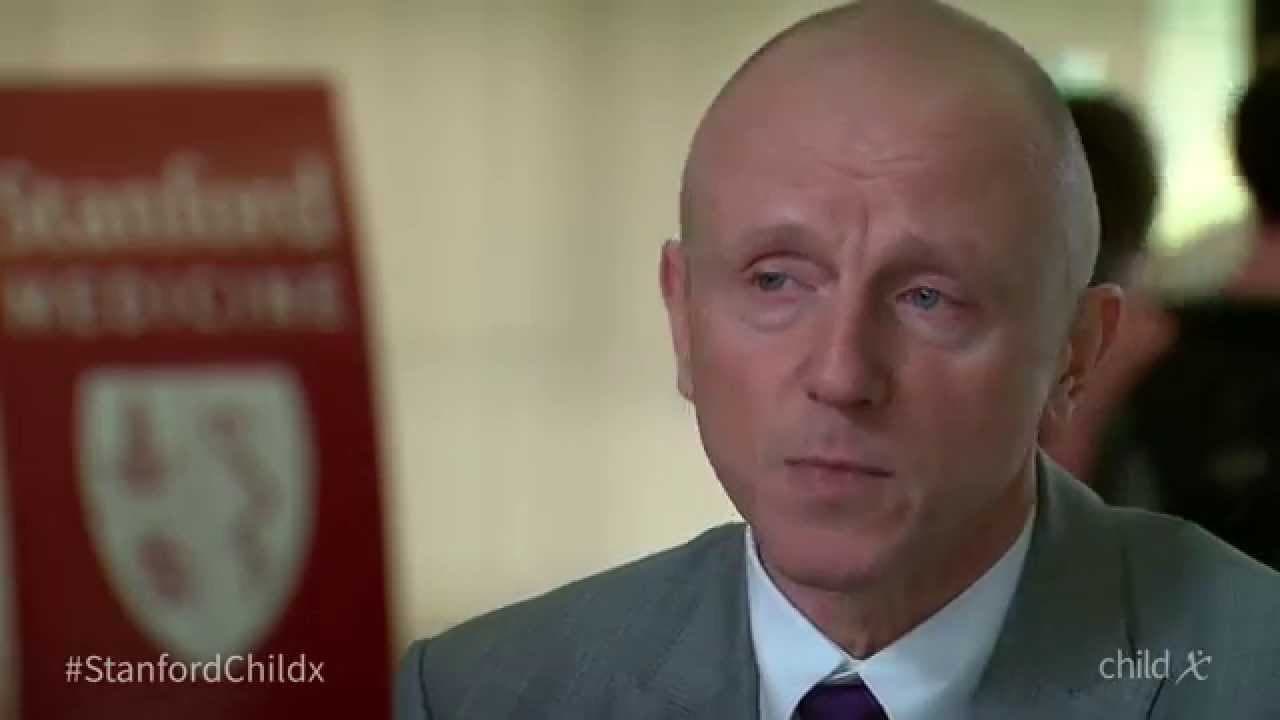
Martin Andrews: Stanford Childx Conference
TL;DR
Gene therapy, particularly ex vivo autologous gene therapy, is reaching a tipping point, allowing for the treatment of rare diseases and potentially even more common diseases in the future.
Transcript
[MUSIC PLAYING] Mr. Andrews, thank you so much for joining me today. So your work is on gene therapy. And this sounds so cutting edge. But in a lot of ways, it hasn't actually made it to the forefront of medical care. Is this poised to blow up? When can we expect to see this? Well, we're in the late stage development with three ex vivo autologous g... Read More
Key Insights
- 👈 Gene therapy, specifically ex vivo autologous gene therapy, is at a tipping point, with ongoing late-stage development and a potential upcoming breakthrough.
- ❓ Initial focused diseases for gene therapy include rare diseases like primary immune deficiencies but are expected to expand to other disorders such as lysosomal storage disorders and globinopathies.
- 😣 Major pharmaceutical companies invest in gene therapy for reasons including the possibility of treating or curing severe diseases, applying cutting-edge technologies, and gaining insights into human biology.
- ❓ Gene therapy advancements in rare diseases can provide valuable lessons applicable to other areas of drug development, potentially benefiting more common diseases.
- ❣️ Building a platform around autologous ex vivo therapy enables the application of similar technologies to adjacent fields like cancer treatment using T cell modification.
Install to Summarize YouTube Videos and Get Transcripts
Explore YouTube Video Summarizer or Get YouTube Transcript Extractor
Questions & Answers
Q: When can we expect gene therapy to become more widely available to patients?
According to Mr. Andrews, the science and technology of gene therapy are maturing, and they believe they can bring it to regulators' attention fairly soon. This suggests that gene therapy may become more widely available in the near future.
Q: What diseases are gene therapies expected to address?
The initial focus of gene therapy is on rare diseases such as primary immune deficiencies. However, there are expectations of progressing beyond that to lysosomal storage disorders and globinopathies, potentially even addressing more common diseases like beta thalassemia.
Q: Why is a major pharmaceutical company investing in gene therapy for niche diseases?
There are several reasons for this. Firstly, the company believes in the possibility of treating or curing patients with severe diseases. Secondly, it allows them to apply cutting-edge technologies in areas of high unmet need. Lastly, studying rare diseases provides insights into human biology, which may be applicable to more common diseases.
Q: How can gene therapy advancements in rare diseases be applied to more common diseases?
By understanding how gene therapy can specifically target and affect outcomes in rare diseases, researchers can learn valuable lessons that can potentially be applied to other areas of drug development. This holistic approach allows them to utilize knowledge gained from the treatment of rare diseases to explore potential applications in more common diseases.
Summary & Key Takeaways
-
Gene therapy is in late-stage development, with three ex vivo autologous gene therapy medicines currently being developed with partners at the Telethon Institute of Gene Therapy.
-
The science and technology of gene therapy are maturing, making it possible for this treatment to be brought to regulators' attention soon and potentially become more widely available to patients.
-
Initially, the focus of gene therapy will be on primary immune deficiencies, but there are expectations of progressing to lysosomal storage disorders and globinopathies, addressing a wider range of diseases.
Read in Other Languages (beta)
Share This Summary 📚
Summarize YouTube Videos and Get Video Transcripts with 1-Click
Try YouTube Summary with ChatGPT & Claude or YouTube Transcript Generator
Explore More Summaries from Stanford 📚





Summarize YouTube Videos and Get Video Transcripts with 1-Click
Try YouTube Summary with ChatGPT & Claude or YouTube Transcript Generator