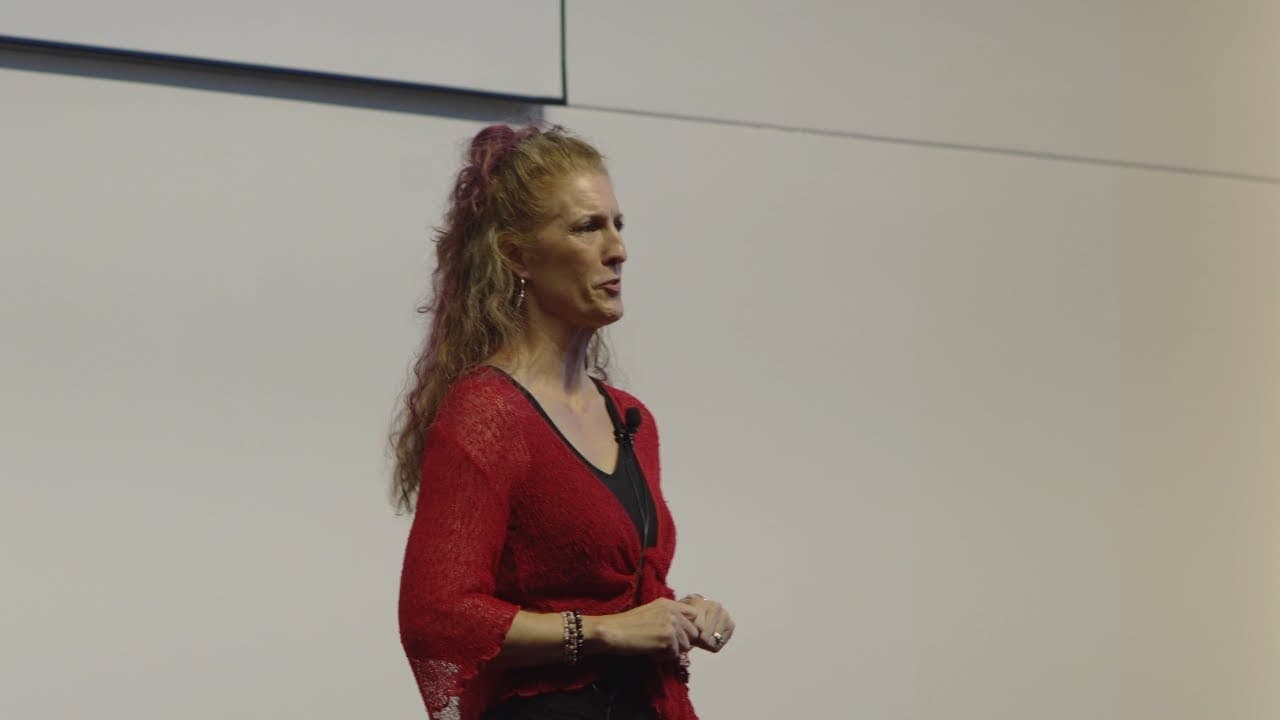
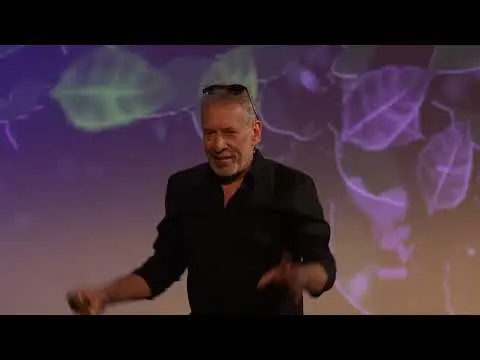
Seeing Beyond the Student: Lessons in Love | Audra Croft | TEDxJesterCirED
TL;DR
Love and stability in education can profoundly impact students, especially those with unseen traumas and challenges.
Transcript
I wanted to start off with a question what assumptions do we make about people when we meet them for the first time what assumptions do people make about us on the outside I'm a middle class white female a mother an educator a good person on the inside I am a world of experiences that affect how I interact with the people around me and my environme... Read More
Key Insights
- 🌍 Appearances can be deceiving, as everyone carries unseen worlds within themselves.
- 🧑🎓 Educators have a unique opportunity to be stabilizing forces for their students.
- 🥰 Love, in various forms, such as compassion, empathy, and respect, can profoundly impact a child's life.
- 🧑🎓 Understanding and responding to students' individual needs and motivations is crucial.
- 🥺 The effects of incarceration on children can be profound, leading to feelings of abandonment, mental health issues, and shame.
- 👪 Children of incarcerated parents often face additional challenges in education and may require extra support.
- 👪 School can provide stability and support for children facing difficulties at home.
Install to Summarize YouTube Videos and Get Transcripts
Explore YouTube Video Summarizer or Get YouTube Transcript Extractor
Questions & Answers
Q: How can educators provide stability to their students?
Educators can provide stability by demonstrating love through compassion, empathy, and respect. They should take the time to understand and support their students' individual needs, motivations, and learning styles.
Q: What is the Platinum rule mentioned in the talk?
The Platinum rule refers to treating someone the way they want to be treated, rather than assuming what they need or prefer. It highlights the importance of personalizing support and accommodations for students based on their unique circumstances and preferences.
Q: How can educators help students with silent traumas?
Educators should approach students with love and sensitivity, acknowledging the possibility of silent traumas. By creating a safe and supportive environment, educators can encourage students to share their experiences and emotions, which can lead to healing and growth.
Q: How can educators address the challenges faced by children with incarcerated parents?
Educators can support children with incarcerated parents by providing understanding and resources. They should offer emotional support, help navigate school-related issues, and ensure access to necessary services to combat any negative impact on the child's well-being and academic success.
Summary & Key Takeaways
-
The narrator reflects on the assumptions people make about others based on appearances and emphasizes the hidden worlds and experiences individuals carry within themselves.
-
Having experienced personal traumas and instability in her own life, the narrator underscores the opportunity for educators to be stabilizing forces in their students' lives.
-
Love, which comes in various forms such as compassion, empathy, and respect, can provide the stability and support students need to succeed academically and emotionally.
Read in Other Languages (beta)
Share This Summary 📚
Summarize YouTube Videos and Get Video Transcripts with 1-Click
Try YouTube Summary with ChatGPT & Claude or YouTube Transcript Generator
Explore More Summaries from TEDx Talks 📚


Summarize YouTube Videos and Get Video Transcripts with 1-Click
Try YouTube Summary with ChatGPT & Claude or YouTube Transcript Generator