Why the street gang MS-13 is an American problem
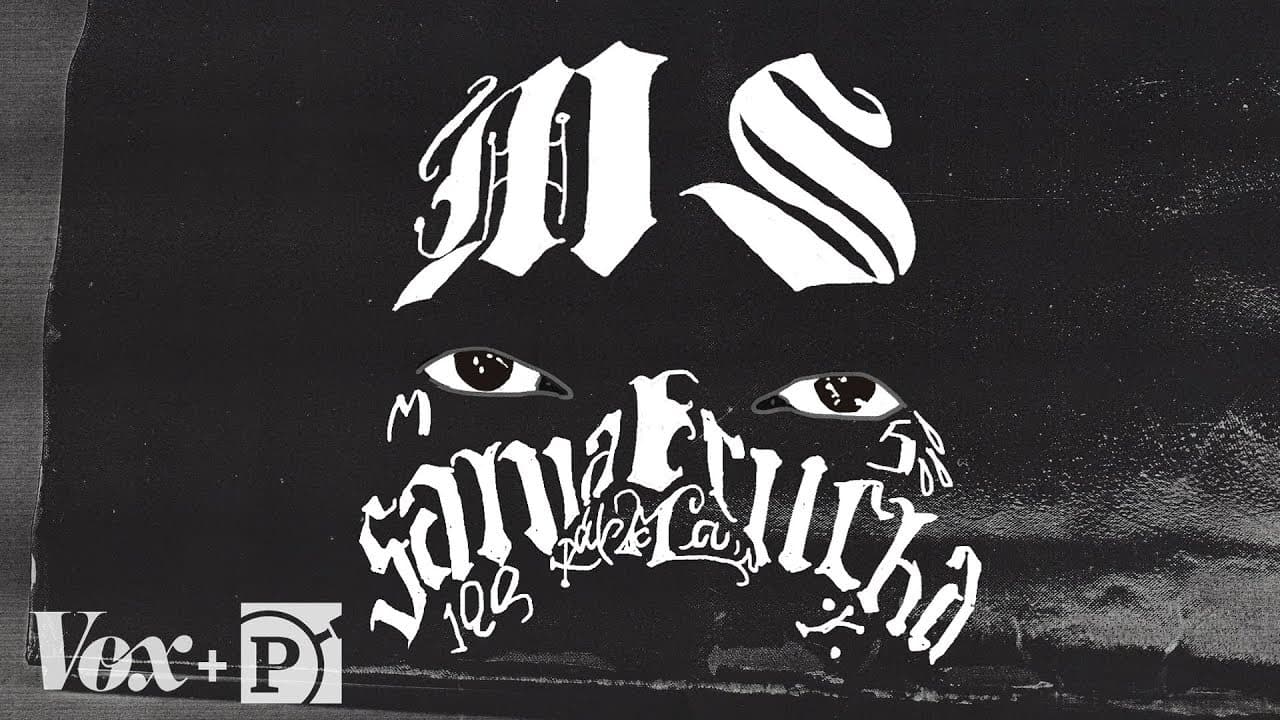
TL;DR
MS-13 is an American-born gang, not a foreign invader.
Transcript
When you think of the street gang MS-13, what do you see? Maybe, something like this. Or this. But what if I told you the typical MS-13 gang member in the US actually looks like one of these young men on Facebook? They’re around 18 years old, they like selfies, and memes about the Joker. And the young men in these photos have all been charged with ... Read More
Key Insights
- MS-13 originated in the United States during the 1980s among Salvadoran immigrants in Los Angeles, not in Central America, as commonly believed.
- The gang was initially formed by young Salvadorans for protection against American gang violence and was not initially involved in major criminal activities.
- The Trump administration has used MS-13 as a symbol to advocate for stricter immigration policies, despite the gang's American origins.
- Deportation of MS-13 members back to El Salvador in the 1990s and 2000s did not solve the problem and instead helped the gang establish a transnational presence.
- MS-13 is often portrayed as a drug cartel, but it is not significantly involved in the international drug trade and lacks organizational sophistication.
- The gang's membership has remained relatively stable over the years, with estimates ranging between 5,000 and 10,000 members in the US.
- MS-13 accounts for a small fraction of the total street gang population in the US, which is estimated to be around 1.4 million members.
- The portrayal of MS-13 as a growing threat is misleading, as the gang's activities primarily affect specific immigrant communities and are not indicative of a nationwide surge.
Install to Summarize YouTube Videos and Get Transcripts
Explore YouTube Video Summarizer or Get YouTube Transcript Extractor
Questions & Answers
Q: How did MS-13 originate?
MS-13 originated in Los Angeles in the 1980s among Salvadoran immigrants who fled the civil war in El Salvador. Initially formed for protection against American gang violence, the group started as a loose association of young Salvadorans known as the 'Stoners' before evolving into 'Mara Salvatrucha' and eventually MS-13.
Q: What role does MS-13 play in the US drug trade?
Despite common misconceptions, MS-13 is not heavily involved in the international drug trade. The gang lacks the organizational structure and sophistication required to operate as a major drug cartel. Its activities are more localized and less financially motivated compared to larger, more established criminal organizations.
Q: How has the US government responded to MS-13?
The US government has responded to MS-13 through aggressive immigration policies and deportations. These efforts aim to curb the gang's influence by removing members from the country. However, deportations have not eliminated the problem and have instead contributed to the gang's transnational presence, complicating the issue further.
Q: Is MS-13 a growing threat in the United States?
MS-13 is not a growing threat in the United States. Its membership has remained stable over the years, fluctuating between 5,000 and 10,000 members. The gang's activities are concentrated in specific communities and do not represent a nationwide surge, contrary to some political narratives.
Q: What misconceptions exist about MS-13?
Common misconceptions about MS-13 include the belief that it is a foreign threat invading the US and that it operates as a major drug cartel. In reality, the gang originated in the US and is not significantly involved in the international drug trade. Its portrayal as a growing menace is also misleading.
Q: How does the portrayal of MS-13 affect immigrant communities?
The portrayal of MS-13 as a major threat has negatively impacted immigrant communities, particularly those of Central American origin. These communities face increased scrutiny and stigmatization, and aggressive immigration policies targeting MS-13 often affect innocent individuals, including the gang's potential victims.
Q: What are the challenges in identifying MS-13 members?
Identifying MS-13 members is challenging due to the gang's lack of a centralized structure and the cultural overlap between gang symbols and popular fashion. Many young people adopt gang-like styles without being involved in criminal activities, complicating law enforcement efforts to accurately identify actual gang members.
Q: What is the impact of media coverage on MS-13's perception?
Media coverage has amplified the perception of MS-13 as a significant threat, despite its relatively small size and localized activities. This coverage often focuses on sensational aspects of the gang's crimes, contributing to public fear and misunderstanding about its actual impact on society.
Summary & Key Takeaways
-
MS-13, a gang with roots in the Salvadoran immigrant community in Los Angeles, has been used as a political tool to justify stricter immigration policies. Despite its portrayal as a foreign threat, the gang originated in the US and is not significantly involved in international drug trafficking.
-
The deportation of MS-13 members in the 1990s and 2000s did not eliminate the gang but rather facilitated its establishment in El Salvador. The gang's activities are often exaggerated, contributing to a narrative that does not align with its actual impact.
-
MS-13's membership has remained stable over the years, with numbers between 5,000 and 10,000. The gang is often highlighted in media and political discourse, yet it represents only a small portion of the US street gang population, which totals around 1.4 million.
Read in Other Languages (beta)
Share This Summary 📚
Summarize YouTube Videos and Get Video Transcripts with 1-Click
Try YouTube Summary with ChatGPT & Claude or YouTube Transcript Generator
Explore More Summaries from Vox 📚




Summarize YouTube Videos and Get Video Transcripts with 1-Click
Try YouTube Summary with ChatGPT & Claude or YouTube Transcript Generator