How Nintendo Solved Zelda's Open World Problem
TL;DR
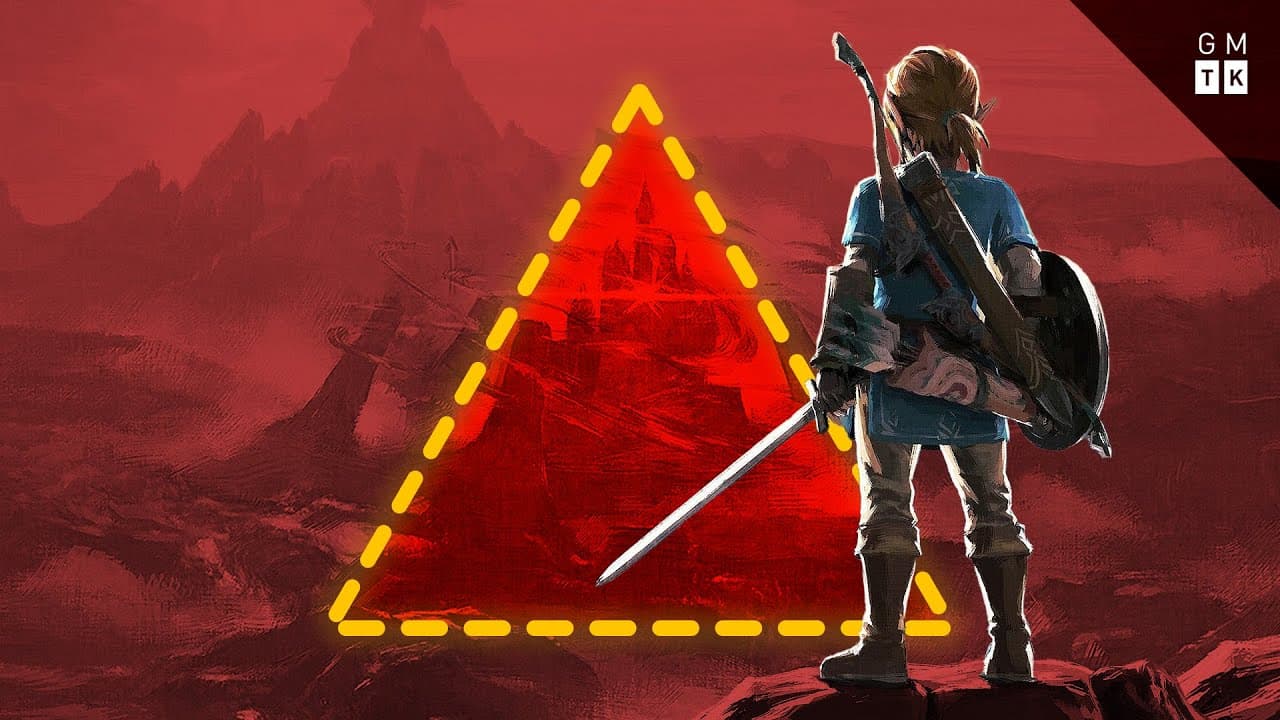
Nintendo faced the challenge of balancing player freedom and exploration with guiding them towards key locations in Breath of the Wild, which they achieved by creating attractive landmarks and using the triangle rule to reveal new locations.
Transcript
How do you make an open world where the player is completely free to explore - but is also led towards key locations that will advance the story? This was the biggest challenge that Nintendo faced when making their very first open-world game, The Legend of Zelda: Breath of the Wild. They wanted to give players a sense of freedom and explor... Read More
Key Insights
- 🔍 Nintendo faced a challenge in developing The Legend of Zelda: Breath of the Wild, where players are free to explore but also led to key locations for the story's advancement.
- 🌍 The initial idea of using Sheikah Towers as waypoints for players to follow a linear path in exploration failed as it felt too restrictive.
- 🏰 To overcome this, Nintendo introduced a variety of landmarks and points of interest to attract players, such as shrines, stables, and enemy encampments.
- 🗺️ The use of triangles in the terrain design helped guide players' attention and prevented overwhelming options by gradually revealing new locations.
- 🌟 The system of attractive landmarks created an addictive breadcrumb trail of discoveries, leading players to important locales while still allowing for player-driven exploration.
- 📈 Heatmap data showed that this approach improved the overall player experience, with players freely exploring and making progress through the story.
- 🌳 Nintendo aimed to balance guidance and exploration, resulting in a freeform adventure experience that was a significant achievement in open-world game design. ⏳ The development process of Breath of the Wild involved learning from Google Maps data and creating new tools for collaboration on the large game map.
Install to Summarize YouTube Videos and Get Transcripts
Explore YouTube Video Summarizer or Get YouTube Transcript Extractor
Questions & Answers
Q: How did Nintendo's initial approach of using Sheikah Towers as waypoints in Breath of the Wild impact player experience?
The initial approach of using Sheikah Towers as waypoints made players feel trapped on a linear path, which was not the desired experience. Many players complained about feeling like they were being forced to follow the towers and lacked the freedom to explore on their own terms.
Q: What changes did Nintendo make to guide players while still allowing for exploration in Breath of the Wild?
Nintendo shifted their approach by creating a variety of attractive landmarks, such as shrines, stables, and enemy encampments. They ensured that each area offered obvious benefits or resources that players would be interested in, making them gravitate towards these locations and explore the world organically.
Q: How did the triangle rule contribute to Nintendo's solution in game design?
The triangle rule was implemented by designing the landscape in Hyrule using triangles, such as hills, mountains, and rock formations. This allowed for decision-making during exploration, guided the player's eye towards points of interest, and prevented players from feeling overwhelmed by too many options. The rule created a sense of surprise and curiosity as new locations were gradually revealed, leading to a chain reaction of discoveries.
Q: How did Nintendo ensure that players still made progress towards key locations in Breath of the Wild?
Despite the freedom to explore, Nintendo observed that players still naturally gravitated towards the game's important locales. By creating a system of attractive landmarks and a breadcrumb trail of interesting points of interest, players followed their own curiosity and goals while ultimately reaching the key locations. Players no longer felt forced or guided but made progress through the story.
Summary & Key Takeaways
-
Nintendo struggled to find a balance between player freedom and guiding them towards key locations in Breath of the Wild.
-
Their initial approach, using Sheikah Towers as waypoints, made players feel stuck on a linear path.
-
They solved the problem by creating attractive landmarks and using the triangle rule to reveal new locations, leading players towards their goals while still allowing for exploration.
Read in Other Languages (beta)
Share This Summary 📚
Summarize YouTube Videos and Get Video Transcripts with 1-Click
Try YouTube Summary with ChatGPT & Claude or YouTube Transcript Generator
Explore More Summaries from Game Maker's Toolkit 📚





Summarize YouTube Videos and Get Video Transcripts with 1-Click
Try YouTube Summary with ChatGPT & Claude or YouTube Transcript Generator