Treating hurricanes like war zones hurts survivors
TL;DR
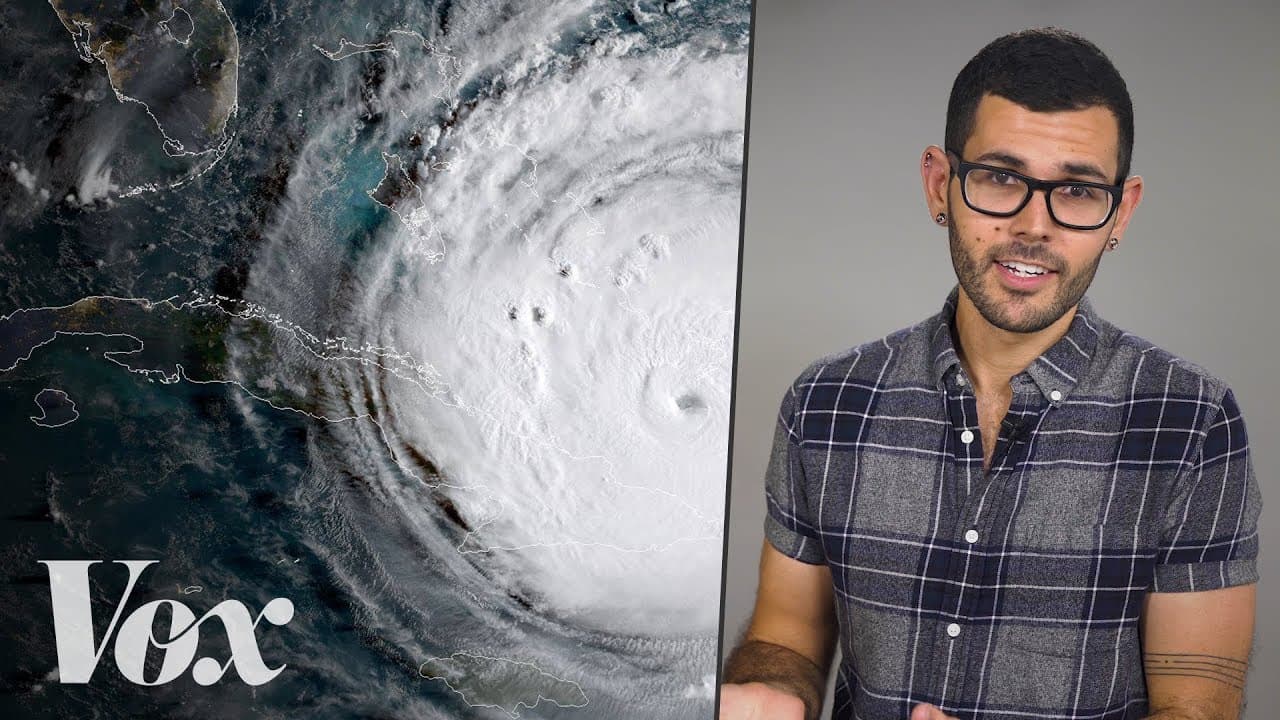
Media frames disasters like wars, misplacing blame and ignoring complexity.
Transcript
Hurricane Harvey’s unprecedented onslaught Onslaught of rain Onslaught of waves ripping apart the coastline South Beach right in the line of fire. The Bahamas and Turks and Caicos, also in the line of fire. News networks do this a lot: They cover natural disasters using the same tricks they use while covering war. Basically looks like a warzone. Co... Read More
Key Insights
- Media often uses wartime imagery to cover natural disasters, creating a simplistic 'us versus them' narrative that misrepresents the complexity of these events.
- The portrayal of Mother Nature as an adversary in disaster coverage diverts attention from human actions that exacerbate disaster impacts, like poor urban planning and policy decisions.
- Urban development in flood-prone areas and federal policies like subsidized flood insurance contribute significantly to disaster damage, yet media coverage often overlooks these factors.
- Media narratives focusing on looting after disasters are often exaggerated and can perpetuate harmful stereotypes, influencing public perception and response strategies.
- The looting myth can lead to militarized responses and misallocation of resources, hindering effective disaster relief and recovery efforts.
- Disaster coverage that emphasizes dramatic conflict can overshadow critical discussions on climate change and its role in increasing the frequency and severity of natural disasters.
- Politicians can evade accountability for inadequate disaster preparedness by blaming uncontrollable natural forces, facilitated by media narratives.
- A shift in media framing from adversarial to analytical could foster more informed public discourse on disaster preparedness and response strategies.
Install to Summarize YouTube Videos and Get Transcripts
Explore YouTube Video Summarizer or Get YouTube Transcript Extractor
Questions & Answers
Q: How does the media's warzone framing affect public perception of natural disasters?
The media's warzone framing simplifies natural disasters into a conflict narrative, where nature is the enemy and humans are victims or heroes. This approach can mislead the public into focusing on dramatic elements rather than understanding the complex factors, such as urban planning and climate change, that contribute to disaster severity.
Q: What role does urban planning play in the impact of natural disasters?
Urban planning significantly influences the impact of natural disasters. Poor planning, such as building in flood-prone areas, increases vulnerability to disasters. In cities like Houston and Tampa, unrestricted development in such areas has exacerbated flooding and damage during hurricanes, highlighting the need for better planning and policy decisions.
Q: Why is the portrayal of looting during disasters problematic?
The portrayal of looting during disasters is problematic because it is often exaggerated and perpetuates harmful stereotypes, particularly racial ones. This narrative can lead to militarized responses, diverting resources from relief efforts and fostering fear and distrust among the public, despite evidence that looting is rare in disaster situations.
Q: How do media narratives influence political accountability in disaster contexts?
Media narratives that emphasize nature as an uncontrollable force allow politicians to shirk responsibility for inadequate disaster preparedness and response. By focusing on dramatic, adversarial coverage, media can obscure discussions on human actions, like policy decisions and climate change, that significantly contribute to disaster impacts.
Q: What are the consequences of militarized responses to natural disasters?
Militarized responses to natural disasters, often justified by exaggerated looting fears, can hinder effective relief efforts. These responses may involve strict curfews and increased police presence, which can misallocate resources away from critical rescue and recovery operations, ultimately making it harder for survivors to get the help they need.
Q: How does climate change factor into the media's coverage of natural disasters?
Climate change is often underrepresented in media coverage of natural disasters, despite its significant role in increasing the frequency and severity of such events. By focusing on dramatic conflict, media narratives can divert attention from the critical discussion needed on climate change and its impact on disaster preparedness and response.
Q: What impact does the media's focus on dramatic narratives have on public understanding of disasters?
The media's focus on dramatic narratives can distort public understanding of disasters by emphasizing conflict and adversarial elements over complex realities. This approach can overshadow important discussions on factors like climate change and urban planning, which are crucial for developing effective disaster preparedness and response strategies.
Q: What changes in media framing could improve public discourse on natural disasters?
Shifting media framing from adversarial to analytical could improve public discourse on natural disasters. By focusing on the underlying factors, such as policy decisions and climate change, that contribute to disaster impacts, media can foster a more informed public understanding and encourage proactive measures in disaster preparedness and response.
Summary & Key Takeaways
-
Media coverage often frames natural disasters as warzones, simplifying complex issues into a battle between humans and nature. This narrative overlooks critical factors like urban planning and climate change, which significantly impact disaster outcomes.
-
The portrayal of looting during disasters is frequently exaggerated, perpetuating stereotypes and justifying militarized responses that can hinder effective relief efforts. Empirical research shows looting is rare, yet media narratives continue to emphasize this angle.
-
By focusing on dramatic conflict, media narratives can divert attention from important discussions on climate change and policy decisions that exacerbate disaster impacts. A more nuanced approach to disaster coverage could improve public understanding and response strategies.
Read in Other Languages (beta)
Share This Summary 📚
Summarize YouTube Videos and Get Video Transcripts with 1-Click
Try YouTube Summary with ChatGPT & Claude or YouTube Transcript Generator
Explore More Summaries from Vox 📚
Summarize YouTube Videos and Get Video Transcripts with 1-Click
Try YouTube Summary with ChatGPT & Claude or YouTube Transcript Generator