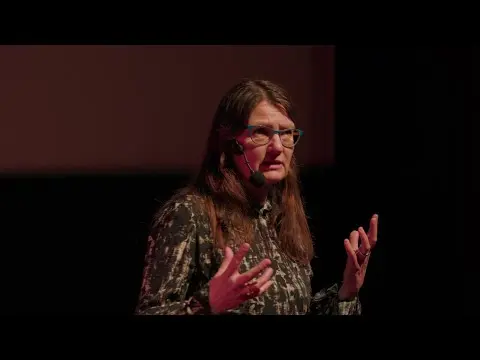
Letting Education Happen: The Uncloseted Mind | Inna Kanevsky | TEDxWrigleyville

TL;DR
Education can help overcome indoctrination, but it requires facing cognitive dissonance and challenging existing beliefs.
Transcript
foreign I have been a classroom educator most of my life but recently and somewhat accidentally I've become a tick tock educator when I correct psychology misinformation or explain Concepts usually people listen unless they already have a firmly established belief on that topic and if the topic pertains to lgbtq plus issues I got told that I am try... Read More
Key Insights
- 👶 Education is not indoctrination but can help overcome it by providing new information and research.
- 🥺 Indoctrination leads to rigid beliefs and resistance to change, while education promotes intellectual curiosity and expands worldviews.
- 💱 Overcoming cognitive dissonance and confirmation bias is necessary for changing beliefs, but it can be challenging and uncomfortable.
- 👶 Rejecting new ideas and seeking comfort in existing beliefs is a common response to cognitive dissonance.
- 🤯 Changing minds requires courage, self-control, and a commitment to exposing oneself to new experiences and interactions.
- 🥺 Engaging in debates or discussions often leads to polarization rather than spreading knowledge.
- 🥹 Authority backed by knowledge and reason should be trusted, but it is important to challenge outdated ideas and seek new information.
Install to Summarize YouTube Videos and Get Transcripts
Explore YouTube Video Summarizer or Get YouTube Transcript Extractor
Questions & Answers
Q: How does indoctrination affect a person's ability to change their beliefs?
Indoctrination creates rigid beliefs and resistance to change, making it difficult for individuals to consider new ideas or perspectives that contradict their indoctrinated beliefs. It can lead to dismissing or rejecting new information.
Q: What role does education play in overcoming indoctrination?
Education helps individuals overcome indoctrination by presenting new information and research that challenges their existing beliefs. It encourages intellectual curiosity and provides opportunities for learning and growth.
Q: How does cognitive dissonance affect people's willingness to change their beliefs?
Cognitive dissonance creates discomfort when facing conflicting ideas. People often choose to dismiss the unfamiliar or conflicting idea rather than changing their belief. This resistance to change is a common response to cognitive dissonance.
Q: How does confirmation bias hinder the process of changing minds?
Confirmation bias is the tendency to prefer information that confirms existing views and reject information that contradicts them. People seek to reduce cognitive dissonance by dismissing or devaluing new information that challenges their beliefs, hindering the process of changing minds.
Summary & Key Takeaways
-
The speaker shares their personal experience of being indoctrinated in the USSR and how immigration opened their mind to new ideas.
-
Indoctrination leads to rigid beliefs and resistance to change, while education promotes learning and expanding one's worldview.
-
Overcoming cognitive dissonance and confirmation bias is necessary to change one's beliefs, but it can be challenging and uncomfortable.
Read in Other Languages (beta)
Share This Summary 📚
Summarize YouTube Videos and Get Video Transcripts with 1-Click
Try YouTube Summary with ChatGPT & Claude or YouTube Transcript Generator
Explore More Summaries from TEDx Talks 📚




Summarize YouTube Videos and Get Video Transcripts with 1-Click
Try YouTube Summary with ChatGPT & Claude or YouTube Transcript Generator