Why Is Global Inequality Rising Now?
TL;DR
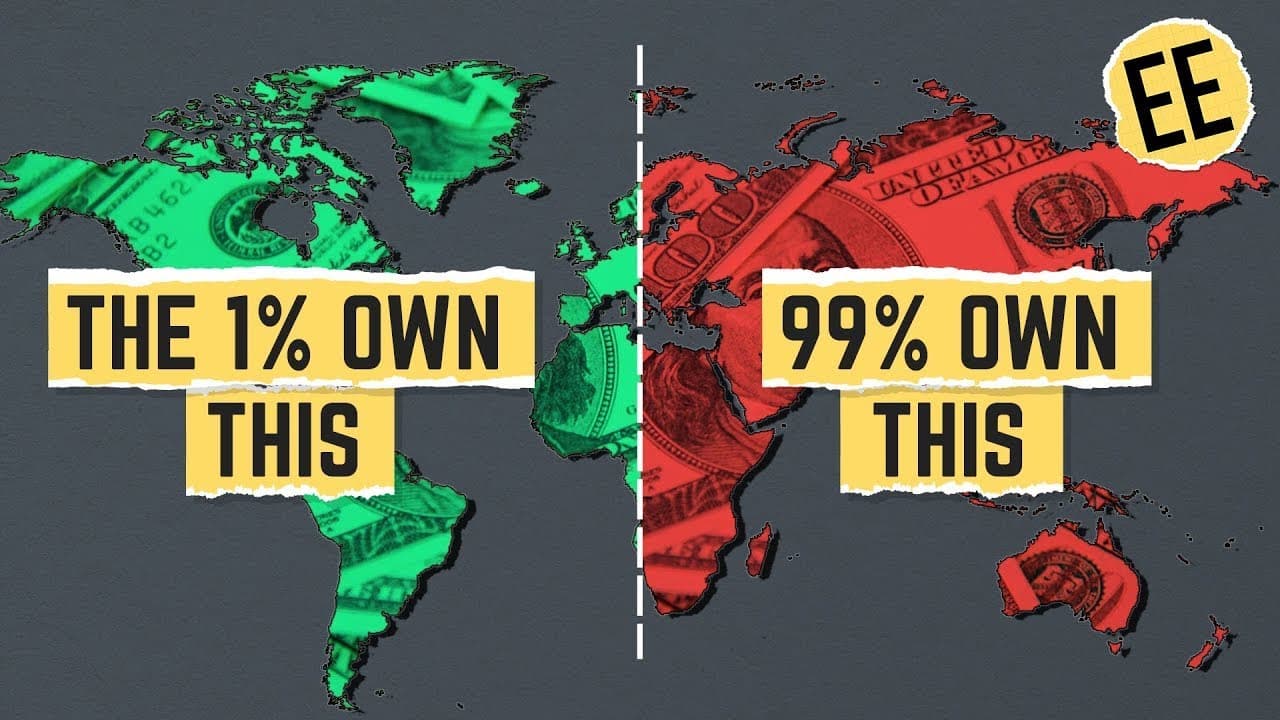
Global inequality has increased due to the pandemic reversing progress in poverty reduction and the concentration of wealth among the richest. The disparity is exacerbated by global debt and economic forces, raising questions about the optimal level of inequality for prosperity. While some wealth concentration can benefit economies, excessive inequality may hinder global economic growth and development.
Transcript
the global pandemic undid almost a decade's worth of improvement in reducing Global extreme poverty levels and that was a reversal of the most productive decade ever for reducing Global poverty so this was a big blow at the same time as this side of the global wealth Spectrum was taking a huge step backwards the world's richest people got even rich... Read More
Key Insights
- Global extreme poverty reduction was reversed by the pandemic, affecting economic progress.
- 47.8% of the world's wealth is held by 1.2% of the population, highlighting wealth concentration.
- Economists argue that inequality is complex and not a zero-sum game.
- Wealth concentration can improve living standards if invested in productive industries.
- Global debt, now at $300 trillion, has become a significant concern for economic stability.
- The growth of populous economies like China has reduced global inequality but increased domestic inequality.
- Economic development often benefits the wealthy first, but can eventually improve overall living standards.
- Optimal inequality levels may motivate economic participants but excessive inequality can slow progress.
Install to Summarize YouTube Videos and Get Transcripts
Explore YouTube Video Summarizer or Get YouTube Transcript Extractor
Questions & Answers
Q: How did the pandemic impact global inequality?
The pandemic reversed nearly a decade of progress in reducing global extreme poverty, leading to increased inequality. While the wealthiest individuals saw their fortunes grow, the economic setbacks disproportionately affected the lower-income population, exacerbating the wealth gap and reversing gains in poverty alleviation.
Q: What is the current state of global wealth distribution?
Currently, 47.8% of the world's wealth is concentrated in the hands of just 1.2% of the population, comprising approximately 62.5 million adults with a net worth exceeding $1 million. In contrast, over half of the global adult population, about 2.8 billion people, have a net worth of less than $10,000, highlighting significant wealth disparity.
Q: Why is wealth concentration not always detrimental?
Wealth concentration is not inherently detrimental because it can lead to increased investments in industries that boost economic output and create opportunities. When wealthy individuals invest in productive sectors, it can enhance living standards, drive innovation, and improve economic conditions for the broader population.
Q: How has China's economic growth affected inequality?
China's rapid economic growth has contributed to reducing global inequality by lifting millions out of poverty. However, it has also increased domestic inequality, with the wealth gap widening as the country transitioned from a centrally planned economy to a market-focused system. This dual effect illustrates the complexity of economic development.
Q: What role does global debt play in economic inequality?
Global debt, now exceeding $300 trillion, plays a significant role in economic inequality. While debt can facilitate economic growth by funding development projects, its concentration among the wealthy can limit access to capital for others, potentially stalling economic progress and exacerbating inequality if not managed effectively.
Q: Is there an optimal level of economic inequality?
An optimal level of economic inequality can motivate individuals to innovate and work harder, contributing to economic growth. However, excessive inequality can hinder progress by concentrating resources and opportunities among a few, leading to inefficiencies and social unrest. Balancing inequality is crucial for sustainable economic development.
Q: How does consumer spending relate to economic output?
Consumer spending is a key component of economic output, representing demand for goods and services. While increased spending can boost economic growth, focusing solely on consumption can overlook the importance of investments that enhance production capacity and long-term economic sustainability. Effective resource allocation between consumption and investment is essential.
Q: What challenges arise from wealth concentration in investments?
Wealth concentration in investments can lead to challenges such as limited access to capital for smaller projects and increased economic power among a few individuals or entities. This can result in inefficient resource allocation, where promising projects may lack funding, ultimately hindering economic innovation and equitable growth.
Summary & Key Takeaways
-
The pandemic reversed a decade of progress in reducing global poverty, with wealth becoming more concentrated among the richest 1.2%. This concentration raises concerns about economic stability, especially with global debt reaching $300 trillion. While some inequality can drive economic growth, excessive disparity may hinder global prosperity.
-
As populous economies like China grow, they have reduced global inequality but increased domestic inequality. This paradox highlights the complexity of economic development, where wealth concentration initially benefits a few but can eventually improve living standards for many.
-
Economists stress that inequality is not a zero-sum game; wealth concentration can enhance living standards if invested wisely. However, excessive inequality may slow down economic progress and waste resources, necessitating a balance to motivate innovation while ensuring equitable prosperity.
Read in Other Languages (beta)
Share This Summary 📚
Summarize YouTube Videos and Get Video Transcripts with 1-Click
Try YouTube Summary with ChatGPT & Claude or YouTube Transcript Generator
Explore More Summaries from Economics Explained 📚

Summarize YouTube Videos and Get Video Transcripts with 1-Click
Try YouTube Summary with ChatGPT & Claude or YouTube Transcript Generator