Strange Features found on Tanks
TL;DR
Tanks have unique features such as toilets, secret doorbells, tea-making facilities, clamshell hatches, deceptive paint schemes, and humorous instruction manuals.
Transcript
strange features found on tanks whether it was equipment to let thirsty crew members stay inside their tanks and be able to brew up a pot of tea or humorous instruction manuals aimed at entertainment tank warfare has delivered many unorthodox and interesting features to meet the technical and personal needs of the crew members inside here's a look ... Read More
Key Insights
- 😂 Tanks have unique features like toilets, doorbells, tea-making facilities, and clamshell hatches that cater to the needs and safety of the crew.
- 🙂 Tanks are designed to minimize crew members' chances of leaving the vehicle, as any slight lapse in judgment can have severe consequences.
- 😕 Deceptive paint schemes were used during wars to confuse and mislead enemy forces, as seen in the Battle of the Bulge.
- 🧑🦽 Tank manuals during World War II incorporated humor and cartoons to boost morale and provide some entertainment for the crew.
Install to Summarize YouTube Videos and Get Transcripts
Explore YouTube Video Summarizer or Get YouTube Transcript Extractor
Questions & Answers
Q: Why did Russian tanks introduce toilets?
The addition of toilets in Russian T14 Armada tanks aimed to improve the quality of life for crew members, allowing them to perform lengthy combat missions without leaving the vehicle.
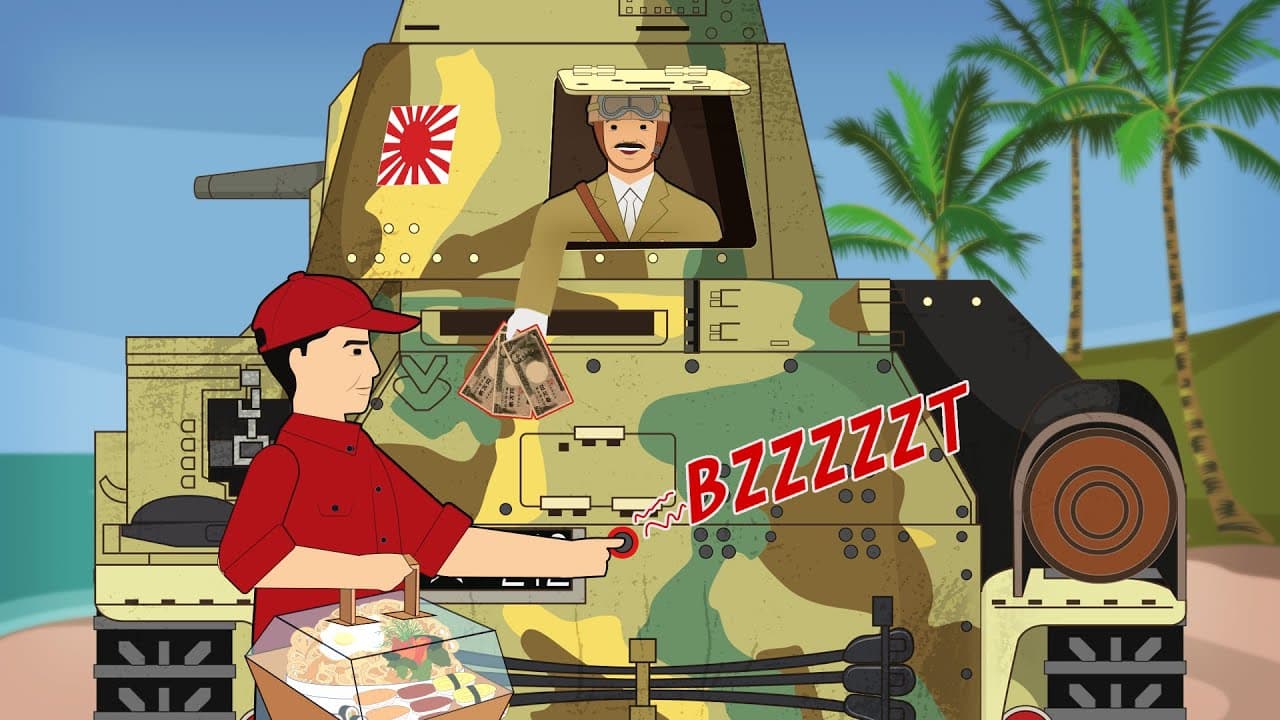
Q: What was the purpose of the secret doorbell on Japanese tanks?
The secret doorbell on Japanese tanks, such as the Type 95 Ho-Ro, was used by soldiers outside the tank to alert the crew of friendly forces nearby, preventing accidents during engagements and ensuring effective communication.
Q: Why did British tanks have tea-making facilities?
British tanks had tea-making facilities to prevent crew members from leaving their vehicles to boil water for a cup of tea, which had previously resulted in casualties. This equipment aimed to ensure the safety of the crew and the tank itself.
Q: What was the purpose of the deceptive paint scheme on German Panther tanks?
During the Battle of the Bulge, German Panther tanks used a deceptive paint scheme to disguise themselves as American M10 tanks, causing confusion and paranoia among Allied forces and potentially leading to friendly fire incidents.
Q: Why did German tank manuals during World War II include humor and cartoons?
The German Panzer 6 Tiger and Panzer 5 Panther tank manuals featured humor and cartoons to lift the spirits and morale of the crew members. These manuals aimed to add entertainment value while still providing practical instructions.
Summary & Key Takeaways
-
Russian T14 Armada tanks introduced toilets to improve the quality of life for crew members, allowing them to perform lengthy combat missions without leaving the vehicle.
-
Japanese Type 95 Ho-Ro tanks had a secret doorbell button to alert tank crews of friendly forces nearby, preventing accidents during engagements.
-
British tanks have had tea-making facilities since the 1950s to avoid crew members leaving their vehicles and risking their safety.
-
Israeli Merkava tanks feature clamshell hatches that provide protection to crew members and act as a transport vehicle for additional troops or wounded soldiers.
-
German Panther tanks used a deceptive paint scheme and disguised themselves as American M10 tanks during the Battle of the Bulge.
-
German Panzer tank manuals during World War II included humor, cartoons, and jokes to boost morale and entertain crew members.
Read in Other Languages (beta)
Share This Summary 📚
Summarize YouTube Videos and Get Video Transcripts with 1-Click
Try YouTube Summary with ChatGPT & Claude or YouTube Transcript Generator
Explore More Summaries from Simple History 📚


Summarize YouTube Videos and Get Video Transcripts with 1-Click
Try YouTube Summary with ChatGPT & Claude or YouTube Transcript Generator