Assessing the Nuclear Threat
TL;DR
Discussion on nuclear proliferation focusing on India-Pakistan, Iran, and North Korea.
Transcript
GELB: All right. Good afternoon. There are some things that I was supposed to say that I've forgotten, but Angela will come back and retrieve them. But I just recall to you that this is on the record, Warnke Lecture. This is something very, very special to me. Paul Warnke was my hero in government. I never knew anyone as courageous, as bright, as w... Read More
Key Insights
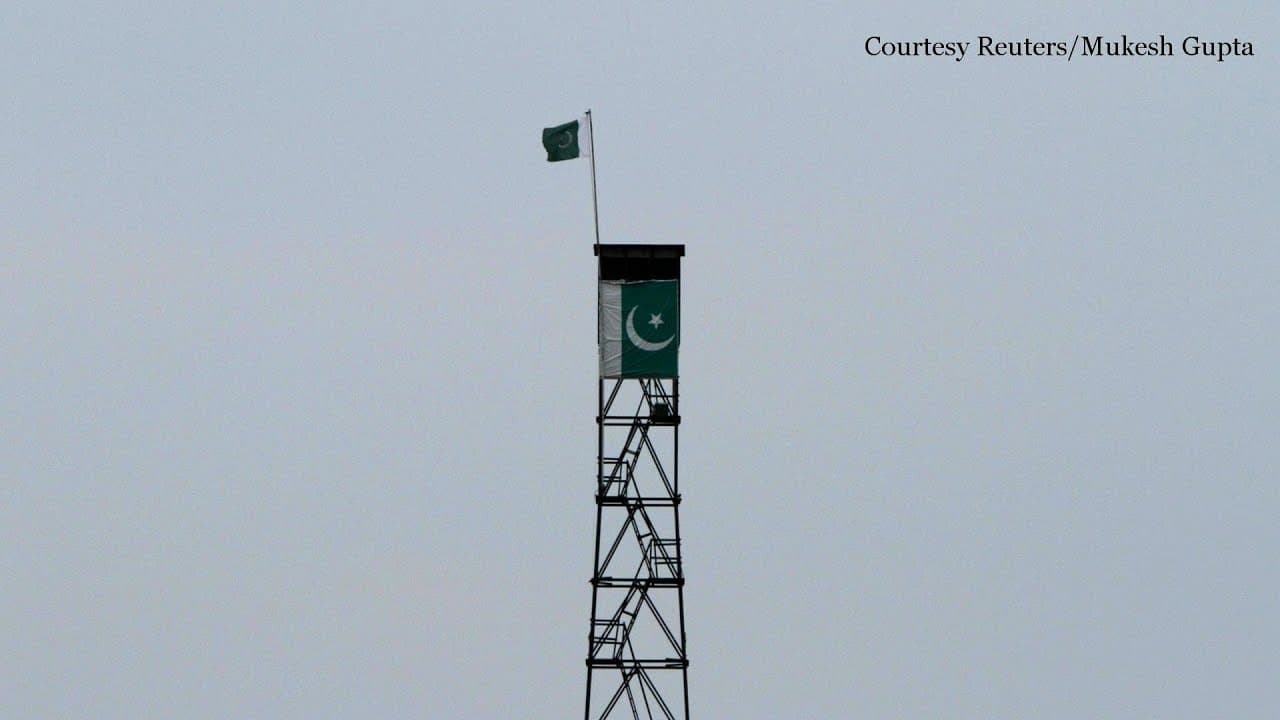
- Jessica Mathews highlights India-Pakistan as the most concerning nuclear hotspot due to the potential for conflict and proliferation to nonstate actors.
- Mathews is optimistic about reaching a nuclear deal with Iran, emphasizing that both parties are interested in a resolution.
- The discussion underscores the complexity of dealing with North Korea due to its isolation and willingness to endure economic sanctions.
- Mathews argues that the global nonproliferation regime is fragile and could be undermined by new nuclear powers in the Middle East.
- Economic sanctions were effective in bringing Iran to the negotiation table, contrasting with their ineffectiveness on North Korea.
- The role of China and Russia in nonproliferation efforts is complex, with both countries historically playing both helpful and obstructive roles.
- Mathews suggests that the U.S. should consider unconventional approaches, like signing a peace treaty with North Korea, to break diplomatic deadlocks.
- The session reflects on the legacy of Paul Warnke and the importance of pragmatic and eloquent public service in international security.
Install to Summarize YouTube Videos and Get Transcripts
Explore YouTube Video Summarizer or Get YouTube Transcript Extractor
Questions & Answers
Q: What is the most concerning nuclear hotspot according to Mathews?
Jessica Mathews identifies India-Pakistan as the most concerning nuclear hotspot. The potential for conflict between these two countries is high, and there is a significant risk of nuclear materials proliferating to nonstate actors. The geopolitical tensions and historical conflicts make this region particularly volatile and dangerous.
Q: What is Mathews' view on the potential for a nuclear deal with Iran?
Mathews is optimistic about the potential for a nuclear deal with Iran, noting that both parties seem genuinely interested in reaching an agreement. She highlights that the interim agreement includes unprecedented inspections and commitments, suggesting a foundation for a meaningful and lasting deal. However, she notes concerns about opposition from Tehran's Revolutionary Guard and anti-deal factions in the U.S. and Israel.
Q: How does Mathews suggest dealing with North Korea's nuclear program?
Mathews suggests that a new approach is needed to deal with North Korea's nuclear program, as traditional methods have failed. She proposes considering unconventional diplomacy, such as signing a peace treaty to formally end the Korean War, which might address some of North Korea's security concerns. She emphasizes that the current strategy has not worked, and a different approach could be more effective.
Q: What role do China and Russia play in nonproliferation efforts?
China and Russia have historically played complex roles in nonproliferation efforts. Russia has been a good player by leasing rather than selling nuclear fuel, ensuring it is returned. China has been relaxed in developing its nuclear capabilities, with limited tests and ambitions. However, the current geopolitical tensions with these major powers complicate further arms control agreements, particularly with Russia.
Q: What are the key challenges in maintaining the global nonproliferation regime?
The global nonproliferation regime is fragile and could be undermined if Iran becomes a nuclear power, prompting countries like Turkey, Egypt, and Saudi Arabia to follow suit. This could lead to the collapse of the nonproliferation treaty, which has been a cornerstone of international efforts to control nuclear weapons. The regime's success depends on continued diplomatic efforts and compliance by nuclear and non-nuclear states.
Q: How effective have economic sanctions been on Iran compared to North Korea?
Economic sanctions have been effective in bringing Iran to the negotiation table, largely due to Iran's integration into the global economy and the impact of multilateral sanctions. In contrast, North Korea's isolation and willingness to endure economic hardship have made sanctions less effective. North Korea's autarkic system allows it to resist external pressures that would cripple other nations.
Q: What are Mathews' views on the U.S. approach to nonproliferation under Obama?
Mathews highlights that the Obama administration made significant diplomatic efforts to repair relations and build a case for multilateral sanctions on Iran, leading to effective pressure. However, she notes that progress on other nonproliferation initiatives, like the Comprehensive Test Ban Treaty, has stalled due to domestic political opposition, particularly from Republicans who demand new weapon systems in exchange for arms control agreements.
Q: What is the significance of the Paul C. Warnke Lecture on International Security?
The Paul C. Warnke Lecture on International Security, established in 2002, honors the legacy of Paul Warnke, a dedicated public servant and advocate for arms control. The lecture series commemorates his contributions to international peace and security, reflecting his combination of eloquence, intellect, and pragmatism in addressing global challenges. It serves as a platform for discussing critical issues in international security and nonproliferation.
Summary & Key Takeaways
-
Jessica Mathews identifies India-Pakistan as the greatest nuclear threat due to potential conflict and proliferation risks. She sees potential for a nuclear deal with Iran, but stresses a need for new strategies with North Korea.
-
Mathews argues that the nonproliferation regime is fragile and could collapse if Iran goes nuclear, prompting other Middle Eastern countries to follow. She emphasizes the importance of a diplomatic approach.
-
The session discusses the effectiveness of sanctions on Iran compared to North Korea, and the roles of China and Russia in nonproliferation. Mathews suggests unconventional diplomacy with North Korea as a potential strategy.
Read in Other Languages (beta)
Share This Summary 📚
Summarize YouTube Videos and Get Video Transcripts with 1-Click
Try YouTube Summary with ChatGPT & Claude or YouTube Transcript Generator
Explore More Summaries from Council on Foreign Relations 📚

Summarize YouTube Videos and Get Video Transcripts with 1-Click
Try YouTube Summary with ChatGPT & Claude or YouTube Transcript Generator