What Are the Top 5 Essential Supplements?
TL;DR
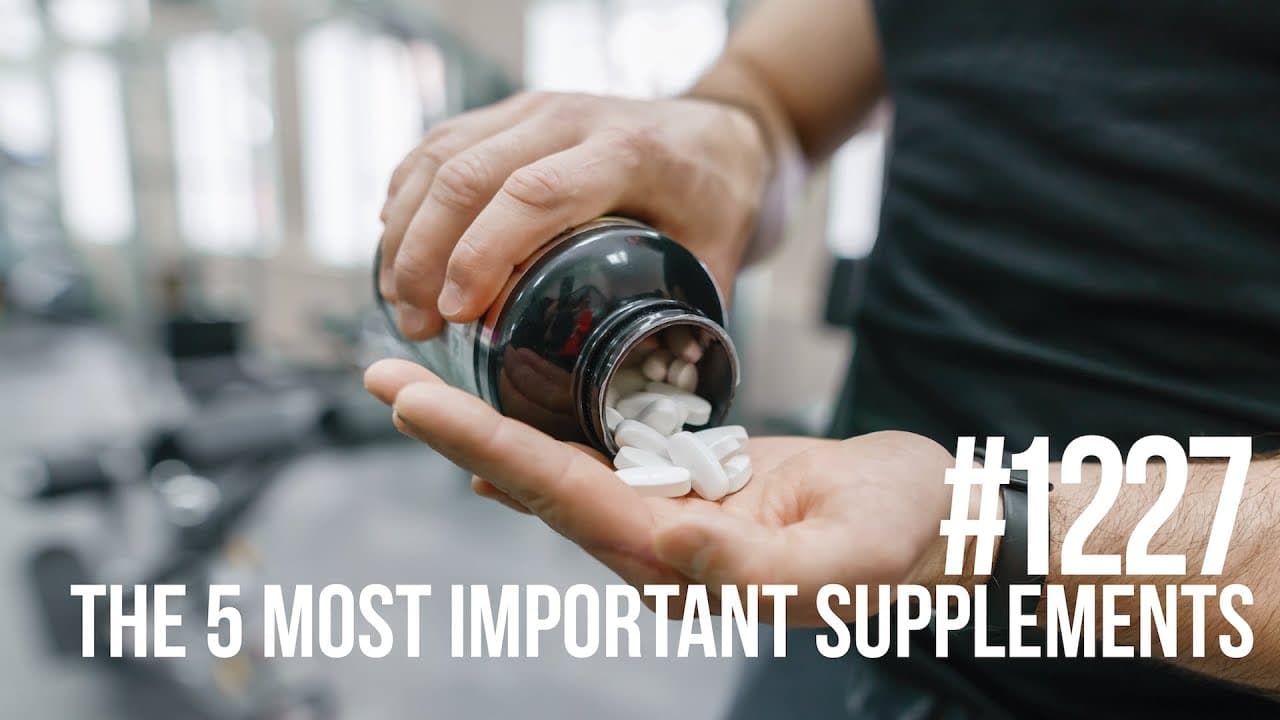
The top five essential supplements are vitamins and minerals, protein, creatine, caffeine, and adaptogens. Addressing nutrient deficiencies is crucial for health, and supplements can fill these gaps. Protein aids muscle building and fat loss, while creatine enhances strength and performance. Caffeine boosts energy, and adaptogens help manage stress. Always prioritize whole foods, but supplements can support optimal health when needed.
Transcript
in this episode of mine pump we tackle a topic that a lot of people approached us on a regular basis people want to know what are the best supplements what should I take what is worth investing in and what is a total waste of money so what we did is we made it easy for you we actually listed the top five most important supplements to take we broke ... Read More
Key Insights
- Vitamins and minerals are crucial for filling nutrient deficiencies, which can have profound effects on health and performance.
- Protein is essential for muscle building and fat loss, with optimal intake around 0.6 to 1 gram per pound of body weight.
- Creatine is one of the most studied supplements, showing benefits in muscle building, strength, and even cognitive function.
- Caffeine is a widely used stimulant that can improve focus, energy, and fat mobilization, but should be cycled to prevent tolerance.
- Adaptogens, like ashwagandha and rhodiola, help the body manage stress and improve resilience, enhancing overall well-being.
- Whole foods are the ideal source of nutrients due to their natural cofactors that improve absorption and prevent overdosing.
- Deficiencies in common nutrients like vitamin D, B12, and omega-3s can be addressed through supplementation when necessary.
- Testing for nutrient deficiencies is important to tailor supplementation effectively and avoid unnecessary intake.
Install to Summarize YouTube Videos and Get Transcripts
Explore YouTube Video Summarizer or Get YouTube Transcript Extractor
Questions & Answers
Q: How do supplements help with nutrient deficiencies?
Supplements provide concentrated doses of essential vitamins and minerals that may be lacking in one's diet. By filling these gaps, they can prevent deficiency-related health issues and improve overall well-being. It is important to identify deficiencies through testing and tailor supplementation to individual needs, ensuring optimal health and performance.
Q: What is the optimal protein intake for muscle building?
The optimal protein intake for muscle building is typically between 0.6 to 1 gram per pound of body weight for relatively lean individuals. This amount supports muscle repair and growth while also aiding in fat loss. Achieving these levels through whole foods is ideal, but protein powders can help meet intake goals when dietary sources are insufficient.
Q: What are the benefits of creatine supplementation?
Creatine supplementation is known to enhance muscle strength, increase muscle mass, and improve exercise performance. It also has cognitive benefits, supporting brain health and potentially boosting IQ in individuals with low creatine levels. Creatine is particularly beneficial for vegans, as it is naturally found in animal products like red meat.
Q: How can caffeine be used effectively for energy?
Caffeine is a powerful stimulant that increases alertness and energy levels. To use it effectively, it should be cycled to prevent tolerance, meaning it is best consumed on alternate days or saved for when an extra boost is needed. Caffeine can also enhance fat mobilization and improve exercise performance, making it a popular supplement among athletes.
Q: What are adaptogens and how do they work?
Adaptogens are natural compounds that help the body adapt to stress and maintain balance. They work by regulating the body's stress response, enhancing resilience and overall well-being. Common adaptogens include ashwagandha, rhodiola, and cordyceps, each offering unique benefits such as improved energy, cognitive function, and stress management.
Q: Why are whole foods considered the best source of nutrients?
Whole foods are the best source of nutrients because they contain natural cofactors that improve nutrient absorption and utilization in the body. They also reduce the risk of overdosing, as nutrients in food are balanced and less concentrated compared to supplements. Whole foods provide a wide range of vitamins, minerals, and other beneficial compounds that support overall health.
Q: How can one identify nutrient deficiencies?
Nutrient deficiencies can be identified through blood tests conducted by healthcare professionals. These tests measure levels of essential vitamins and minerals in the body, highlighting any deficiencies that may require supplementation. At-home testing kits, like those from Everly Well, also offer convenient options for monitoring nutrient levels and tailoring dietary and supplement intake accordingly.
Q: What are the potential risks of taking too many supplements?
Taking too many supplements can lead to nutrient overdoses, which may cause adverse health effects. Fat-soluble vitamins, like A and D, and minerals, such as calcium, can accumulate in the body and become toxic if consumed in excess. It's important to base supplementation on identified deficiencies and avoid unnecessary intake, prioritizing whole foods as the primary nutrient source.
Summary & Key Takeaways
-
Nutrient deficiencies can impact health and performance, making vitamins and minerals essential supplements. Testing helps identify deficiencies and tailor supplementation. Whole foods are ideal, but supplements can fill gaps.
-
Protein supports muscle building and fat loss, with optimal intake around 0.6 to 1 gram per pound of body weight. Protein powders offer a convenient way to reach these levels, especially when dietary intake falls short.
-
Creatine enhances strength and cognitive function, making it a valuable supplement for overall health. Caffeine boosts energy and focus but should be cycled to prevent tolerance. Adaptogens aid stress management, promoting resilience.
Read in Other Languages (beta)
Share This Summary 📚
Summarize YouTube Videos and Get Video Transcripts with 1-Click
Try YouTube Summary with ChatGPT & Claude or YouTube Transcript Generator
Explore More Summaries from Mind Pump Show 📚



Summarize YouTube Videos and Get Video Transcripts with 1-Click
Try YouTube Summary with ChatGPT & Claude or YouTube Transcript Generator