When to Consider Hormone Replacement Therapy?
TL;DR
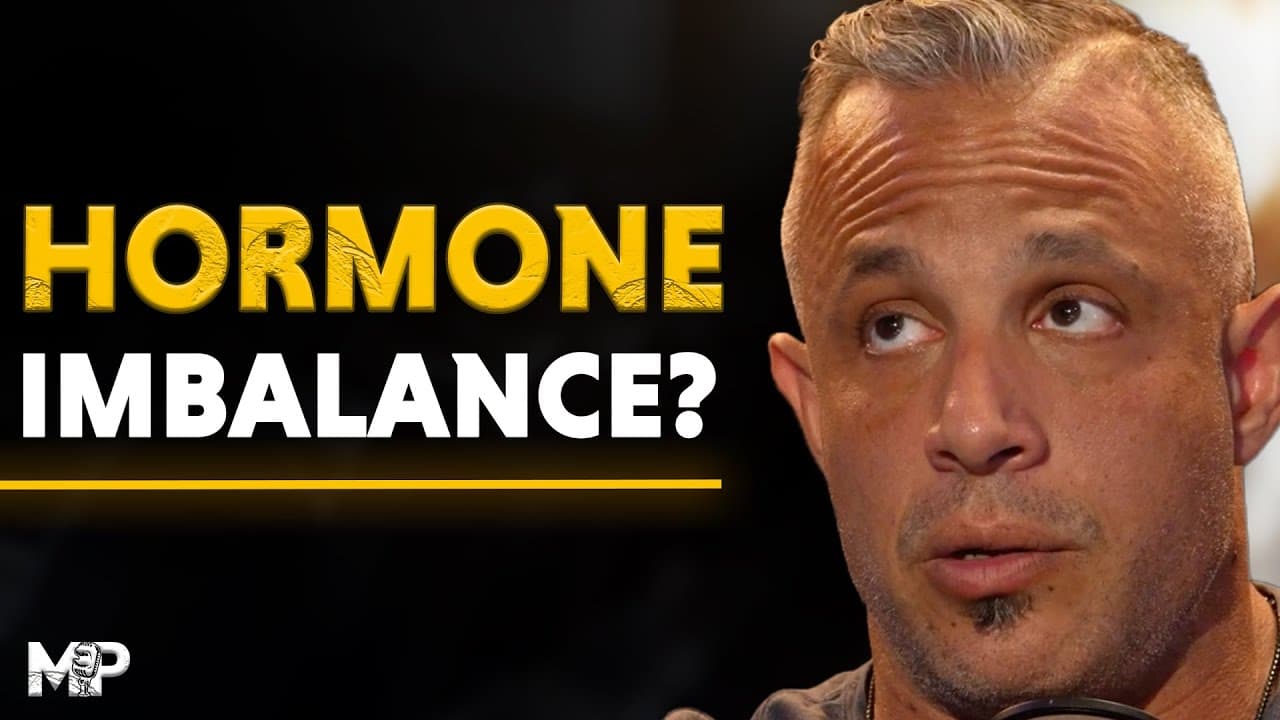
Hormone replacement therapy can be life-changing for those experiencing significant hormonal shifts, particularly women going through menopause. Symptoms such as unexplained weight gain, muscle weakness, and mood changes may indicate a need for therapy. While not a cure-all, when combined with a healthy lifestyle, it can improve quality of life and alleviate symptoms often treated with pharmaceuticals.
Transcript
If you're over 35, you've probably considered hormone replacement therapy. Supposedly burns fat, builds muscle, makes you feel like you're 18 again. Is this true? And what are the symptoms that you may benefit from hormone replacement therapy? Today, we're going to go over all the symptoms, some well-known, some not so well-known, that you may bene... Read More
Key Insights
- Hormone replacement therapy is often more beneficial for women than men as they age.
- Symptoms like unexplained weight gain and muscle loss can be signs of hormonal imbalance.
- Hormonal changes can lead to increased visceral body fat, especially in women.
- Brain fog affects about 40% of those who benefit from hormone therapy.
- Hormone therapy can alleviate symptoms often treated with pharmaceuticals like antidepressants.
- Exercise and a good diet are crucial when undergoing hormone therapy.
- Men often only need testosterone therapy, while women may require a combination of hormones.
- Mood changes and low libido are common signs of hormonal imbalance.
Install to Summarize YouTube Videos and Get Transcripts
Explore YouTube Video Summarizer or Get YouTube Transcript Extractor
Questions & Answers
Q: How does hormone replacement therapy benefit women?
Hormone replacement therapy can be particularly beneficial for women experiencing menopause, as it helps alleviate symptoms like weight gain, mood changes, and muscle loss. By addressing hormonal imbalances, it can improve quality of life and reduce the need for pharmaceuticals like antidepressants.
Q: What are common signs that you might need hormone therapy?
Common signs include unexplained weight gain, especially in the belly, muscle weakness, mood changes, low energy, brain fog, and changes in blood sugar levels. These symptoms often indicate hormonal imbalances that can be addressed with hormone replacement therapy.
Q: Why is hormone replacement therapy not a cure-all?
While hormone replacement therapy can address many symptoms of hormonal imbalance, it is not a cure-all because it must be combined with a healthy lifestyle, including exercise and a good diet, to be most effective. It also doesn't address all underlying causes of hormonal changes.
Q: How does hormone therapy affect visceral fat?
Hormone therapy can help reduce visceral fat, which is often increased due to hormonal imbalances. By restoring hormonal balance, the body can more effectively manage fat storage, particularly in the abdominal area, which is a common issue for women during menopause.
Q: Can hormone therapy replace antidepressants?
Hormone therapy can alleviate symptoms often treated with antidepressants, such as mood changes and low energy, by addressing the underlying hormonal imbalances. However, it should not be seen as a direct replacement and should be discussed with a healthcare provider.
Q: What role does exercise play in hormone therapy?
Exercise plays a crucial role in hormone therapy as it helps enhance the therapy's effectiveness. A good diet and regular physical activity support the body's response to hormone therapy, promoting better overall health and mitigating potential side effects.
Q: Why might men and women require different hormone therapies?
Men often only need testosterone replacement, while women may require a combination of hormones, such as progesterone, thyroid, and testosterone. This is due to the different hormonal changes that occur in men and women as they age, particularly during menopause for women.
Q: What is the impact of hormone imbalances on mood and libido?
Hormone imbalances can significantly impact mood and libido, leading to mood swings, depression, and low sexual desire. Hormone replacement therapy can help stabilize these imbalances, improving mood and increasing libido by restoring hormonal levels to a more optimal state.
Summary & Key Takeaways
-
Hormone replacement therapy can address symptoms like weight gain, muscle loss, and mood changes, often improving quality of life. Women, especially during menopause, may find it more beneficial than men. However, it's important to combine therapy with exercise and a healthy diet for optimal results.
-
Hormonal imbalances can lead to unexplained weight gain and increased visceral fat, particularly in women. Therapy can alleviate symptoms often treated with pharmaceuticals, such as antidepressants.
-
Brain fog affects many who benefit from hormone therapy, and mood changes are common signs of imbalance. Men usually require only testosterone, while women may need a combination of hormones.
Read in Other Languages (beta)
Share This Summary 📚
Summarize YouTube Videos and Get Video Transcripts with 1-Click
Try YouTube Summary with ChatGPT & Claude or YouTube Transcript Generator
Explore More Summaries from Mind Pump Show 📚


Summarize YouTube Videos and Get Video Transcripts with 1-Click
Try YouTube Summary with ChatGPT & Claude or YouTube Transcript Generator