Let's scan the whole planet with LiDAR | Chris Fisher
TL;DR
Discover the importance of LiDAR scanning and the Earth Archive in preserving our planet's cultural and ecological patrimony.
Transcript
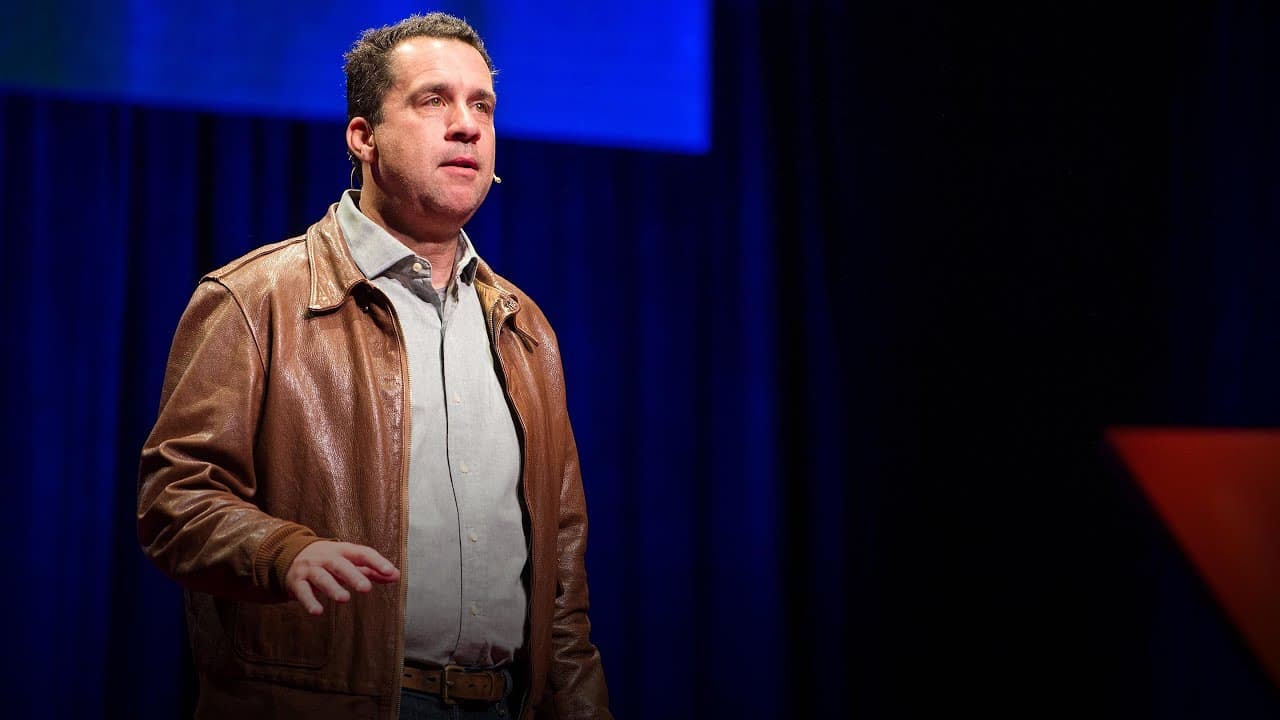
Transcriber: Joseph Geni Reviewer: Camille Martínez The most astounding place I've ever been is the Mosquitia Rain Forest in Honduras. I've done archaeological fieldwork all over the world, so I thought I knew what to expect venturing into the jungle, but I was wrong. For the first time in my life, I might add. (Laughter) First of all, it's freezin... Read More
Key Insights
- 🌳 Remote Rainforest: The Mosquitia Rain Forest in Honduras is an untouched and remote place that is still free from human interference, providing archaeologists with unique opportunities to study the past.
- 🛠️ LiDAR Technology: LiDAR (Light Detection And Ranging) technology has revolutionized archaeology by allowing researchers to collect high-resolution data of archaeological sites quickly and accurately, replacing traditional manual methods.
- 🔒 Urgency and Climate Crisis: The urgency to document and preserve archaeological sites is greater than ever due to the looming climate crisis, which threatens to destroy our cultural and ecological heritage within decades.
- 👣 Unexplored Areas: There are still hundreds of locations on Earth that haven't been stepped on or explored by humans for centuries or even longer, highlighting the vastness and mystery of our planet.
- 🌍 The Earth Archive: The Earth Archive is a scientific initiative aiming to LiDAR-scan and create a comprehensive record of the entire planet, preserving it for future generations and aiding in climate crisis mitigation efforts.
- ⚠️ Changing Landscapes: Archaeological sites are at risk of destruction, and historic monuments and landscapes are disappearing due to factors like deforestation and rising sea levels. Recording and preserving these sites are essential for future knowledge and understanding.
- 💡 Endless Possibilities: The use of LiDAR scans extends beyond archaeology, as scientists from various disciplines can utilize the data for their research, including studying vegetation, hydrology, faults, and much more.
- ✨ Bet on the Future: The Earth Archive represents a collective effort to face the climate crisis and make choices that honor our past, benefiting future generations who will continue our legacy. It is an investment in the future of humanity and the preservation of our cultural and natural heritage.
Install to Summarize YouTube Videos and Get Transcripts
Explore YouTube Video Summarizer or Get YouTube Transcript Extractor
Questions & Answers
Q: What was the most surprising thing the speaker experienced in the Mosquitia Rain Forest?
The speaker was surprised by the freezing conditions in the rainforest, despite the temperature being 90 degrees. The high humidity and thick canopy of trees prevented sunlight from reaching the surface, making it impossible to get dry.
Q: What did the speaker notice about the animals in the rainforest?
The animals in the rainforest were completely unafraid of humans. They had no previous experience or reason to be afraid of people, which was highly unusual. This indicated the remote and untouched nature of the rainforest.
Q: What technology did the speaker discover during his archaeological work in Mexico?
The speaker discovered LiDAR (Light Detection and Ranging), a new technology that involved shooting laser pulses from an airplane to create a high-resolution scan of the Earth's surface. This technology allowed for a much more efficient and detailed mapping of archaeological sites compared to traditional methods.
Q: What is the purpose of the Earth Archive project?
The Earth Archive aims to LiDAR-scan the entire planet, starting with the most threatened areas. Its purpose is threefold: to create a baseline record of the Earth as it exists today, to allow various scientists to study and analyze the planet, and to preserve a record for future generations to study and reconstruct lost cultural patrimony.
Summary & Key Takeaways
-
The speaker describes their experience in the Mosquitia Rain Forest in Honduras, highlighting its remote and pristine nature.
-
They emphasize the urgency of documenting and preserving cultural and ecological patrimony in the face of the climate crisis.
-
The Earth Archive is introduced as a scientific effort to LiDAR-scan the entire planet, creating a baseline record and virtual planet for study and preserving records for future generations.
Read in Other Languages (beta)
Share This Summary 📚
Summarize YouTube Videos and Get Video Transcripts with 1-Click
Try YouTube Summary with ChatGPT & Claude or YouTube Transcript Generator
Explore More Summaries from TED 📚


Summarize YouTube Videos and Get Video Transcripts with 1-Click
Try YouTube Summary with ChatGPT & Claude or YouTube Transcript Generator