How to Optimize Crawl Depth for Better SEO

TL;DR
To optimize crawl depth, balance flat and deep site architecture. Link important pages closer to the homepage to signal their significance to both users and search engines. Breadcrumbs and categorization can help, but the approach depends on your site's goals and structure.
Transcript
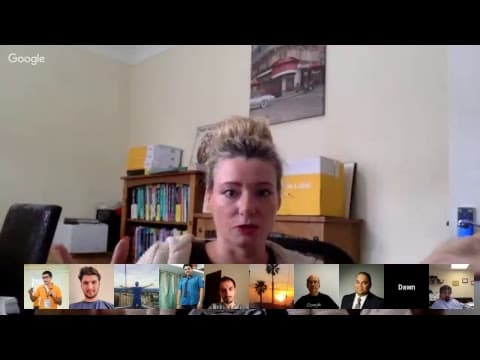
JOHN MUELLER: --not to jump out. OK. All right. Welcome, everyone, to today's Webmaster Central Office Hours Hangout. My name is John Mueller. I am a Webmaster Trends Analyst here at Google in Switzerland, and part of what we do are these office hour hangouts-- which I guess are not in the office anymore but, rather, at home at the moment. But what... Read More
Key Insights
- Crawl depth is about balancing flat and deep site architecture.
- Pages linked closer to the homepage are crawled more frequently.
- Important pages should be visibly highlighted within the site's structure.
- Breadcrumbs and categorization can improve crawlability.
- Site links indicate Google's understanding of site hierarchy.
- Flat architecture can confuse Google's site link generation.
- Movie Schema is appropriate for sites with movie information.
- Manual actions may not always include sample URLs for site-wide issues.
Install to Summarize YouTube Videos and Get Transcripts
Explore YouTube Video Summarizer or Get YouTube Transcript Extractor
Questions & Answers
Q: How can I improve crawl depth for my website?
To improve crawl depth, ensure important pages are linked closer to the homepage. Use a balance of flat and deep architecture, making key pages more accessible. Consider using breadcrumbs and categorization to enhance site structure and signal page importance to both users and search engines.
Q: What is the impact of site architecture on site links?
Site architecture significantly impacts site links. A well-structured hierarchy helps Google associate related pages, leading to relevant site links in search results. Conversely, a flat architecture may result in irrelevant site links, indicating a need for better organization to clarify page relationships.
Q: Is Movie Schema appropriate for non-theater sites?
Yes, Movie Schema is suitable for sites with movie information, such as reviews and actor details. It's designed to enhance search visibility for movie-related content, allowing sites to provide structured data about films, reviews, and related information, regardless of whether they are theaters or not.
Q: When might Google not include sample URLs in a manual action?
Google might omit sample URLs in a manual action if the issue is site-wide rather than page-specific. This approach indicates a broader problem affecting the entire site, such as pervasive spammy content, requiring a comprehensive review and cleanup of the site's overall content and structure.
Q: How does Google handle multilingual content on ccTLDs?
For multilingual content on ccTLDs, Google focuses on language targeting rather than country-specific targeting. Using hreflang annotations helps Google understand language versions across different domains, ensuring appropriate content is shown to users based on their language preferences, regardless of the ccTLD used.
Q: What role does font size play in header detection?
Font size can influence Google's understanding of page structure, but semantic HTML tags like h1, h2 are more critical for header detection. Google renders pages to assess layout and visibility, but proper use of heading tags is recommended for both SEO and accessibility, ensuring clear content hierarchy.
Q: Is automatic translation against Google's guidelines?
Automatic translation is discouraged if it results in low-quality content. Google's guidelines emphasize content quality, and poorly translated text can harm user experience and search rankings. If automatic translations are used, ensure they are accurate and understandable to avoid being perceived as low-quality content.
Q: How should I handle structured data for reviews and ratings?
When handling structured data for reviews and ratings, focus on marking up the primary content of the page. Decide whether to highlight critic or user reviews based on your site's goals, and ensure the structured data follows Google's guidelines to be eligible for rich results in search.
Summary & Key Takeaways
-
Crawl depth optimization involves finding a balance between a flat and deep site architecture. Pages linked closer to the homepage are crawled more often, signaling their importance. Use breadcrumbs and categorization to improve site structure.
-
Site links in search results reflect Google's understanding of site hierarchy. A flat architecture might lead to irrelevant site links, indicating a need for better structural organization.
-
Movie Schema is suitable for sites with movie information, including reviews and actor details. Manual actions might lack sample URLs if the issue is site-wide, emphasizing the need for clear site structure and content relevance.
Read in Other Languages (beta)
Share This Summary 📚
Summarize YouTube Videos and Get Video Transcripts with 1-Click
Try YouTube Summary with ChatGPT & Claude or YouTube Transcript Generator
Explore More Summaries from Google Search Central 📚



Summarize YouTube Videos and Get Video Transcripts with 1-Click
Try YouTube Summary with ChatGPT & Claude or YouTube Transcript Generator