The Oscars' voting process awards safe movies
TL;DR
Oscar voting favors safe films over daring choices.
Transcript
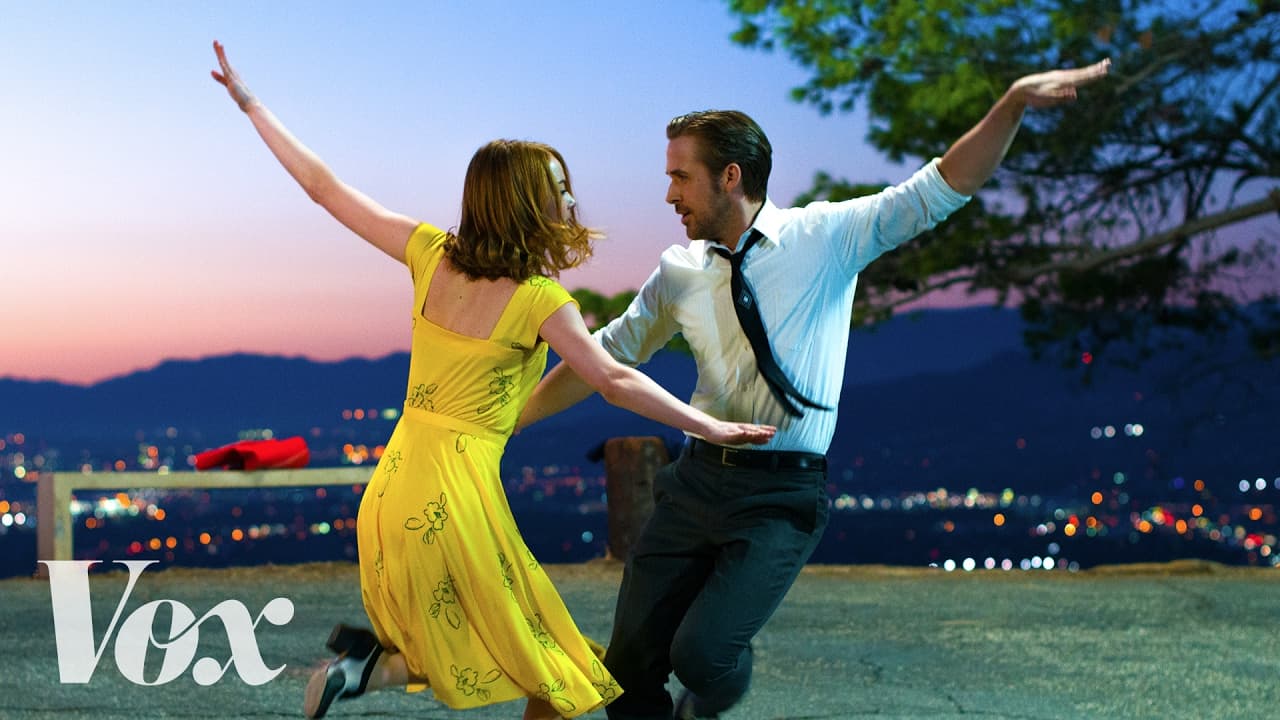
This year a grand technicolor film about showbiz is a favorite for best picture at the Oscars. Yes, it was well regarded amongst critics and audiences around the country. But is La La Land hands down the best film of the year? Is it good enough to beat out films like Moonlight that are widely considered more daring and unique? History says yes. Bec... Read More
Key Insights
- The Oscars' voting process uses instant runoff voting, which tends to favor films with broad support rather than those with passionate followings.
- Instant runoff voting involves ranking choices, and the film with the broadest appeal, rather than the most passionate support, often wins.
- Films about the film industry tend to perform well under the current voting system, as many Academy members relate to them.
- The King's Speech won Best Picture in 2011 due to broad support, even though other films had more passionate fan bases.
- The 2005 Best Picture winner, Crash, was polarizing, highlighting the difference between past and present voting systems.
- The current system may prevent films that inspire strong reactions, either positive or negative, from winning Best Picture.
- The change in voting system was intended to ensure the film with the broadest support wins, but it may lead to mediocrity.
- Films like La La Land are favored under the current system due to their broad appeal and industry-related themes.
Install to Summarize YouTube Videos and Get Transcripts
Explore YouTube Video Summarizer or Get YouTube Transcript Extractor
Questions & Answers
Q: How does the Oscar voting process work?
The Oscar voting process uses instant runoff voting, where voters rank films in order of preference. The film with the fewest votes is eliminated, and votes are redistributed based on the next preference until a film receives a majority. This system favors films with broad support rather than those with passionate followings.
Q: Why do films about the film industry perform well in the Oscars?
Films about the film industry often perform well in the Oscars because many Academy members work in the industry and relate to these themes. They may not rank such films as their top choice, but they often place them high enough for these films to accumulate broad support and win under the instant runoff voting system.
Q: What impact did the voting system change have on Oscar winners?
The change to instant runoff voting was intended to ensure that the film with the broadest support wins. However, this has led to a trend where films that inspire moderate reactions across a wide audience are more likely to win, possibly at the expense of more daring or polarizing films that could have won under the old system.
Q: Why did The King's Speech win Best Picture in 2011?
The King's Speech won Best Picture in 2011 because it had broad support among voters, even if it wasn't the top choice for many. The instant runoff voting system allowed it to accumulate enough second and third-choice votes to surpass films with more passionate but narrower support, ultimately allowing it to win the majority.
Q: What was significant about the 2005 Best Picture winner, Crash?
Crash's win in 2005 was significant because it was a polarizing film that inspired strong reactions, illustrating how the previous voting system allowed such films to win. This contrasts with the current system, which tends to favor films that are broadly liked, potentially preventing polarizing films from winning Best Picture.
Q: How does instant runoff voting affect the selection of Best Picture nominees?
Instant runoff voting affects the selection of Best Picture nominees by favoring films with broad appeal. During the nomination process, films with the least support are eliminated, and votes are redistributed. This process tends to favor films that are consistently ranked high across many ballots, rather than those with concentrated passionate support.
Q: What is the criticism of the current Oscar voting system?
The criticism of the current Oscar voting system is that it favors safe, broadly appealing films over daring or unique ones. By prioritizing films with broad support, the system may lead to the selection of films that are merely agreeable rather than those that push boundaries or inspire strong emotional reactions.
Q: How might the Oscar voting system influence future film productions?
The Oscar voting system might influence future film productions by encouraging filmmakers to create movies that appeal to a wide audience rather than taking creative risks. Knowing that broad appeal is favored, studios might prioritize projects that are likely to gain moderate approval across a large voting base to increase their chances of winning.
Summary & Key Takeaways
-
The Oscar voting process uses instant runoff voting, which tends to favor films with broad appeal rather than those with passionate support. This system involves ranking choices and eliminating the films with the fewest votes, redistributing those votes until a film achieves a majority.
-
Films about the film industry, such as The King's Speech and Birdman, often perform well under this system due to their broad appeal among Academy members. This trend suggests that the system may favor films that resonate with the industry, even if they aren't the most daring.
-
The 2005 winner, Crash, illustrates the difference between past and present voting systems, as it was a polarizing choice. The current system may prevent films that inspire strong reactions from winning, leading to a preference for films that are broadly liked but not necessarily loved.
Read in Other Languages (beta)
Share This Summary 📚
Summarize YouTube Videos and Get Video Transcripts with 1-Click
Try YouTube Summary with ChatGPT & Claude or YouTube Transcript Generator
Explore More Summaries from Vox 📚



Summarize YouTube Videos and Get Video Transcripts with 1-Click
Try YouTube Summary with ChatGPT & Claude or YouTube Transcript Generator