A Conversation with Eric Garcetti
TL;DR
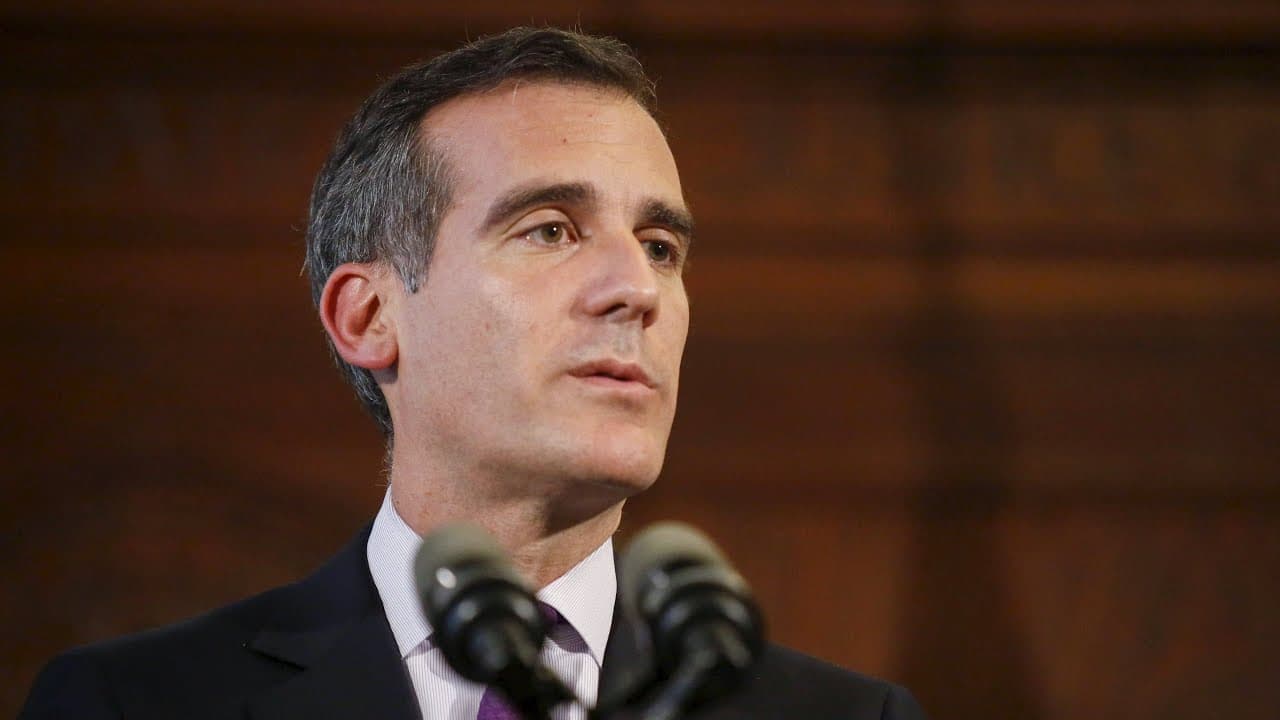
Eric Garcetti discusses multiculturalism and U.S.-India relations.
Transcript
FROMAN: Well, good morning, everybody. AUDIENCE MEMBERS: Good morning. FROMAN: Good to see you all. Very excited to be here. This is my first one of these conferences, but, Ambassador, this is the twelfth year, I understand, the Council’s been doing this. We have about 300 people here in Washington, another hundred or so online. And I’m really ... Read More
Key Insights
- Eric Garcetti's multicultural background has been an advantage in his diplomatic career, allowing him to navigate diverse communities and understand varied perspectives.
- Garcetti's career path was non-linear, transitioning from a human rights activist to a mayor, and now an ambassador, showcasing the diverse opportunities in public service.
- Cities play a crucial role in international affairs, often acting quicker and more creatively than national governments, especially in areas like climate change and public health.
- Garcetti emphasizes the importance of U.S.-India relations, highlighting their potential to shape global democracy, technology, and climate initiatives.
- India's non-alignment strategy allows it to maintain relationships with multiple global powers, including the U.S., China, and Russia, while pursuing its own interests.
- Human rights remain a critical discussion point in U.S.-India relations, with Garcetti advocating for respectful, behind-the-scenes diplomacy to address concerns.
- Subnational diplomacy, involving cities and states, is increasingly important in addressing global challenges, with cities often leading in areas like climate action and migration integration.
- Garcetti encourages young people to engage in public service and activism, emphasizing the value of maintaining one's principles while learning to navigate complex political landscapes.
Install to Summarize YouTube Videos and Get Transcripts
Explore YouTube Video Summarizer or Get YouTube Transcript Extractor
Questions & Answers
Q: How did Eric Garcetti's multicultural background influence his career?
Eric Garcetti's multicultural background, being Jewish American and Mexican American with an Italian name, has been a significant advantage in his career. It has allowed him to navigate and understand diverse communities and perspectives, which is crucial in diplomacy. This background has helped him cross cultural borders, enabling him to address issues from multiple viewpoints and connect with diverse groups effectively.
Q: What role do cities play in international affairs according to Garcetti?
According to Eric Garcetti, cities play a crucial role in international affairs by acting quickly and creatively, often bypassing the slower processes of national governments. Cities are at the forefront of addressing global challenges such as climate change and public health. Garcetti highlights initiatives like Climate Mayors, where cities committed to the Paris Agreement goals, demonstrating the power of subnational diplomacy in driving global action.
Q: How does Garcetti view the U.S.-India relationship?
Eric Garcetti views the U.S.-India relationship as one of the most consequential and defining partnerships of the next twenty years. He emphasizes its importance in shaping global democracy, technology, and climate initiatives. Despite India's non-alignment strategy, which allows it to maintain relationships with multiple global powers, Garcetti believes the U.S. and India can be a multiplicative force for good, working together on various global challenges.
Q: What is Garcetti's approach to human rights in U.S.-India relations?
Garcetti advocates for respectful, behind-the-scenes diplomacy when addressing human rights issues in U.S.-India relations. He believes in engaging with India to promote U.S. interests and values while acknowledging that change must come from within the country. Garcetti emphasizes the importance of balancing criticism with collaboration, focusing on areas of shared values and opportunities for cooperation, such as women's empowerment and climate action.
Q: How does Garcetti encourage young people to engage in public service?
Eric Garcetti encourages young people to engage in public service by maintaining their principles and being open to learning. He rejects the notion that youthful activism is naïve and emphasizes the importance of being a lifelong student. Garcetti believes in the power of activism to effect change and urges young people to navigate complex political landscapes while staying true to their values and seeking opportunities to make a difference.
Q: What are Garcetti's thoughts on subnational diplomacy?
Garcetti sees subnational diplomacy as an increasingly important aspect of U.S. foreign policy. He highlights the role of cities and states in addressing global challenges, such as climate change and migration integration. Garcetti believes that cities can lead by example, sharing innovative solutions and collaborating with international counterparts to tackle pressing issues. He advocates for a more inclusive and horizontal approach to diplomacy, leveraging the strengths of local governments.
Q: How does Garcetti view India's role in global climate efforts?
Garcetti is impressed with India's efforts to green its grid and develop alternative fuels, noting its potential to lead in climate solutions. He acknowledges the challenges posed by India's growing middle class and the need for sustainable development. Garcetti believes that India is moving beyond the old narrative of needing external funding to green its economy and is making significant strides in renewable energy, which will be crucial in global climate efforts.
Q: What advice does Garcetti offer to those considering a career in public office?
Garcetti advises those considering a career in public office to do so only if they feel they can't not pursue it, emphasizing the importance of passion and commitment. He highlights the sacrifices involved, including the impact on one's family and personal life. Garcetti encourages potential candidates to evaluate whether they bring something unique to the table and to pursue public service with the intention of making a meaningful difference, rather than seeking power for its own sake.
Summary & Key Takeaways
-
Eric Garcetti's multicultural heritage has informed his diplomatic approach, allowing him to bridge cultural divides and understand diverse perspectives. He emphasizes the importance of cities in global diplomacy, highlighting their ability to act quickly and creatively.
-
Garcetti discusses the evolving U.S.-India relationship, noting its significance in shaping global democracy and climate initiatives. He acknowledges India's non-alignment strategy, which allows it to maintain relationships with multiple global powers.
-
Human rights remain a key discussion point in U.S.-India relations, with Garcetti advocating for respectful, behind-the-scenes diplomacy. He encourages young people to engage in public service, emphasizing the value of maintaining one's principles.
Read in Other Languages (beta)
Share This Summary 📚
Summarize YouTube Videos and Get Video Transcripts with 1-Click
Try YouTube Summary with ChatGPT & Claude or YouTube Transcript Generator
Explore More Summaries from Council on Foreign Relations 📚
Summarize YouTube Videos and Get Video Transcripts with 1-Click
Try YouTube Summary with ChatGPT & Claude or YouTube Transcript Generator