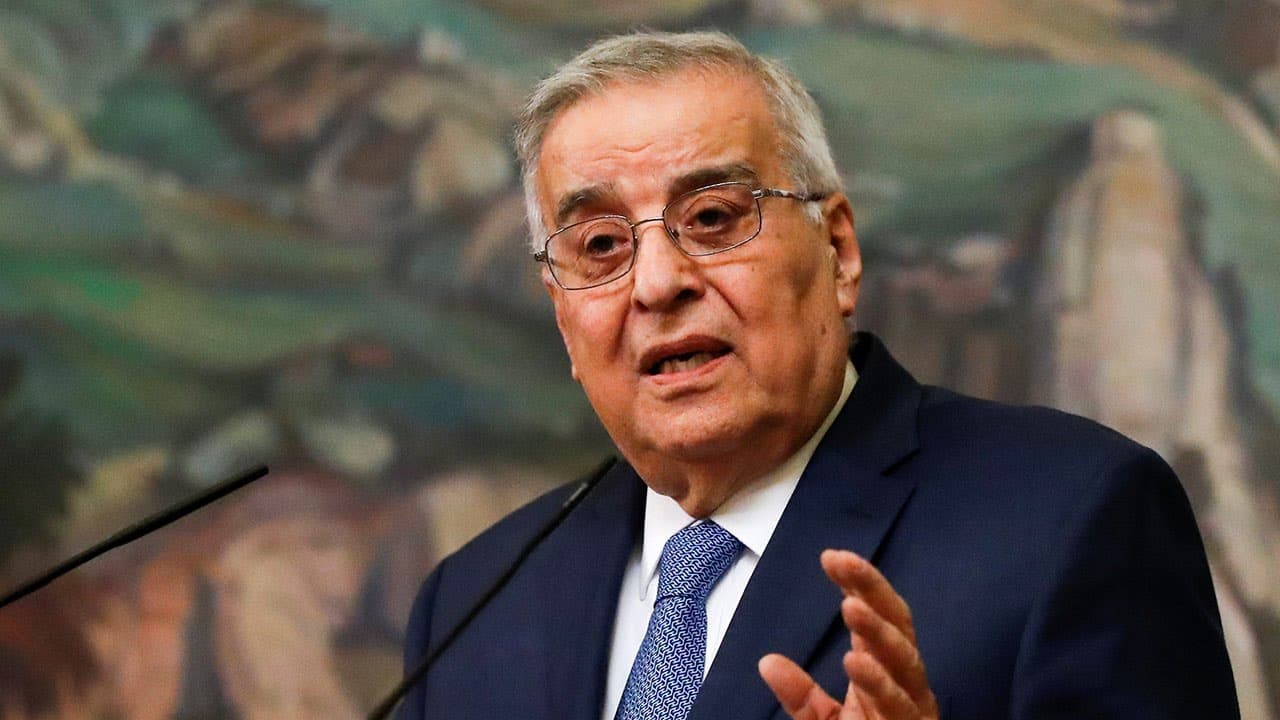
A Conversation With Lebanese Foreign Minister Abdallah BouHabib
TL;DR
Lebanese Foreign Minister discusses regional unrest and prospects for peace.
Transcript
AMOS: Hello, everybody. I hope you have enjoyed your lunch. We did. Welcome to today’s Council on Foreign Relations meeting with Foreign Minister Abdallah BouHabib of Lebanon, a timely—a timely meeting. My name is Deb Amos. I’m the Ferris professor of journalism at Princeton University, and I am a recovering journalist. And I will be presidi... Read More
Key Insights
- The current unrest in the Middle East is unprecedented, with heightened violence and destruction, particularly following the events of October 7 and Israel's subsequent reactions.
- The complex geopolitical dynamics involve multiple actors, including the U.S., Iran, and regional groups like Hezbollah, with intertwined conflicts across borders.
- Lebanon faces potential escalation with Israel over the Hezbollah presence near the border, with ongoing negotiations failing to yield a resolution.
- Economic challenges in Lebanon are exacerbated by regional instability, significantly impacting tourism and the overall economy.
- Lebanon's internal political situation remains unstable, lacking a president and comprehensive economic strategy, complicating its foreign policy efforts.
- The presence of Syrian refugees in Lebanon, supported largely by international aid, poses a significant demographic and economic challenge.
- There is a general consensus among Arab states for a peaceful resolution to the Israeli-Palestinian conflict, though current Israeli leadership resists a two-state solution.
- Lebanon's natural gas exploration is stalled due to regional conflicts, impacting potential economic benefits from offshore resources.
Install to Summarize YouTube Videos and Get Transcripts
Explore YouTube Video Summarizer or Get YouTube Transcript Extractor
Questions & Answers
Q: What are the current tensions in the Middle East according to the Lebanese Foreign Minister?
The Lebanese Foreign Minister describes the current tensions in the Middle East as unprecedented, with increased violence and destruction following events on October 7 and Israel's subsequent reactions. He highlights the complex geopolitical dynamics involving multiple actors, including the U.S., Iran, and regional groups like Hezbollah, with interconnected conflicts across borders.
Q: How is Lebanon's economic situation affected by the regional conflict?
Lebanon's economic situation is significantly affected by the regional conflict, particularly with a 25% decline in tourism due to instability. The economy, already struggling, faces additional pressures from the presence of Syrian refugees and a lack of a comprehensive economic strategy. The banking sector remains unstable, further complicating economic recovery.
Q: What is the Lebanese Foreign Minister's stance on the Israeli-Palestinian conflict?
The Lebanese Foreign Minister advocates for a peaceful resolution to the Israeli-Palestinian conflict, supporting a two-state solution as a viable option. He emphasizes the need for direct involvement from international actors, particularly the United States, to facilitate dialogue and negotiations for a lasting peace.
Q: What are the challenges Lebanon faces with Hezbollah's presence near the Israeli border?
Lebanon faces challenges with Hezbollah's presence near the Israeli border, as it increases the risk of escalation with Israel. Ongoing negotiations have failed to yield a resolution, with Israel demanding Hezbollah's relocation north of the Litani River. The Lebanese government seeks peaceful negotiations to demarcate borders and prevent further conflict.
Q: How does the Lebanese Foreign Minister view the role of international actors in the Middle East conflict?
The Lebanese Foreign Minister views the role of international actors, particularly the United States, as crucial in facilitating dialogue and negotiations for peace in the Middle East. He calls for strong involvement to address the Israeli-Palestinian conflict and emphasizes the need for a comprehensive approach to regional stability.
Q: What is the impact of Syrian refugees on Lebanon?
The presence of approximately two million Syrian refugees in Lebanon poses a significant demographic and economic challenge. Supported largely by international aid, these refugees strain Lebanon's resources and infrastructure. The Lebanese government seeks international cooperation to facilitate the safe return of refugees to Syria, though political and economic obstacles remain.
Q: What are the prospects for Lebanon's natural gas exploration?
Lebanon's natural gas exploration prospects are currently stalled due to regional conflicts, impacting potential economic benefits. While there are indications of gas reserves, the ongoing instability and risk of conflict have halted exploration activities. The Lebanese government remains hopeful for future development once the security situation improves.
Q: How does the Lebanese Foreign Minister perceive the future of peace in the Middle East?
The Lebanese Foreign Minister remains hopeful for peace in the Middle East, emphasizing the importance of dialogue and negotiations. He acknowledges the challenges posed by current Israeli leadership and regional tensions but believes that a peaceful resolution is possible with strong international involvement and a commitment to a two-state solution.
Summary & Key Takeaways
-
Lebanese Foreign Minister Abdallah BouHabib discusses the unprecedented unrest in the Middle East, highlighting the increased violence and destruction compared to past conflicts. He notes the interconnected nature of regional tensions involving multiple countries and groups.
-
BouHabib expresses concerns about potential escalation with Israel, particularly regarding Hezbollah's presence near the Lebanese border. He emphasizes the need for peaceful negotiations and border demarcation to prevent further conflict.
-
The Lebanese economy is severely impacted by the regional instability, with a significant decline in tourism and ongoing economic challenges. The presence of Syrian refugees adds to the demographic and economic pressures on the country.
Read in Other Languages (beta)
Share This Summary 📚
Summarize YouTube Videos and Get Video Transcripts with 1-Click
Try YouTube Summary with ChatGPT & Claude or YouTube Transcript Generator
Explore More Summaries from Council on Foreign Relations 📚

Summarize YouTube Videos and Get Video Transcripts with 1-Click
Try YouTube Summary with ChatGPT & Claude or YouTube Transcript Generator