Moving From the Comfort Zone to the Challenge Zone
TL;DR
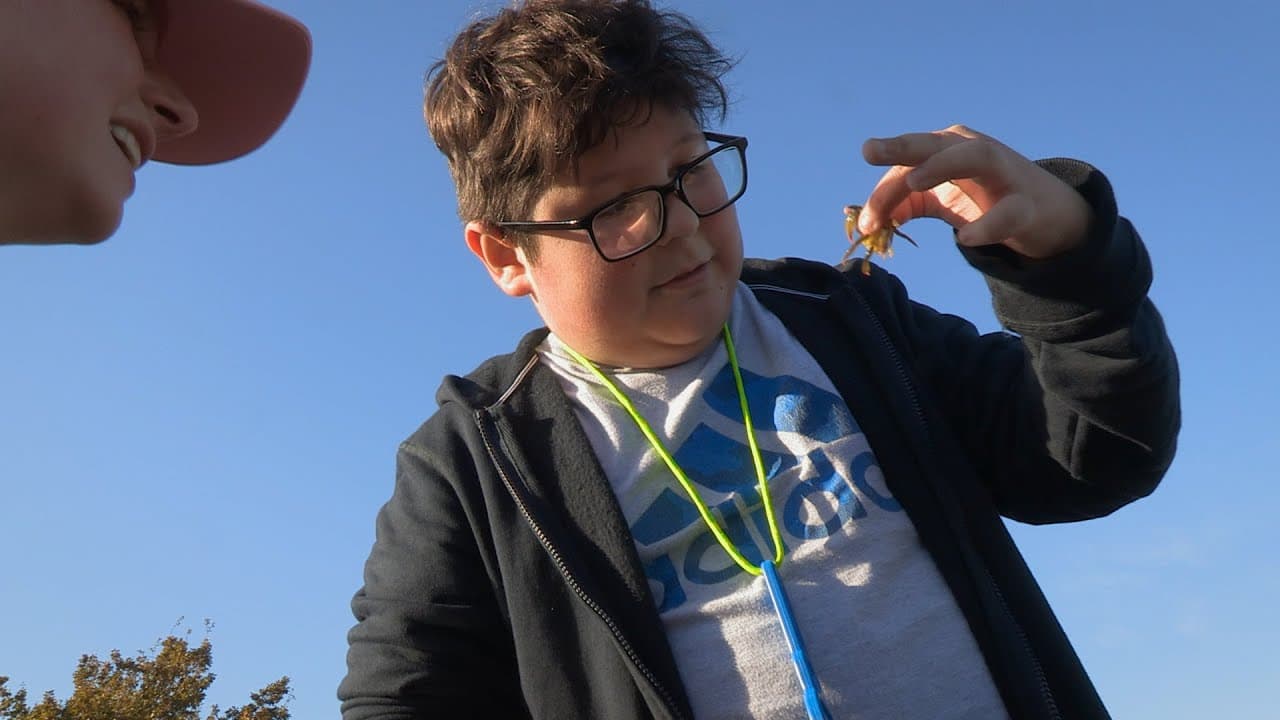
Challenging students in outdoor education helps them grow their knowledge and skills, build their sense of agency and identity, and learn in their challenge zone.
Transcript
Teacher: We're so excited, we're going to have a really great time. If everyone can walk behind me slowly, we're going to get on the boat. >>Karen: Challenges are how we grow our knowledge base, how we improve our skill base, but it also, equally important, is how we build our sense of agency, how we build our identity as a learner, as a competen... Read More
Key Insights
- 💗 Challenging students in outdoor education helps them grow their knowledge base, improve their skills, and build their sense of agency and identity.
- 🧑 Support from adults and peers is crucial in helping students navigate challenges and learn from them.
- 🧑🎓 Understanding a student's comfort zone and providing appropriate support can help them take steps into their challenge zone.
- 🧑🎓 Outdoor education provides a unique and engaging environment for students to learn and develop important skills.
- ❓ Learning in the challenge zone fosters personal growth and a growth mindset.
- 🧑🎓 Supporting students in the early stages of a challenge and gradually reducing support helps them build confidence and independence.
- 👻 Outdoor education allows students to explore and learn about the natural world, fostering curiosity and observation skills.
Install to Summarize YouTube Videos and Get Transcripts
Explore YouTube Video Summarizer or Get YouTube Transcript Extractor
Questions & Answers
Q: Why is challenging students important in outdoor education?
Challenging students in outdoor education helps them grow their knowledge and skills, as well as build their sense of agency and identity. It allows them to push their boundaries and learn in their challenge zone.
Q: How can teachers provide support to students during a challenge?
Teachers can provide support in the early stages of a challenge by offering guidance, resources, and encouragement. However, by the end, students should feel empowered to tackle the challenge on their own.
Q: What is the difference between the comfort zone and the challenge zone?
The comfort zone is where we feel safe but don't experience much learning. The challenge zone, on the other hand, is where learning happens. It is the space where we are pushed outside of our comfort zone but not into panic.
Q: How can outdoor education help students develop their identity as learners?
In outdoor education, students are given the opportunity to challenge themselves and try new things. By experiencing successes in the challenge zone, they learn about themselves, their abilities, and their environment, which contributes to their identity as learners.
Summary & Key Takeaways
-
Challenging students in outdoor education allows them to grow their knowledge base and improve their skillset, while also building their sense of agency and identity as learners.
-
It is important to provide support to students in the early stages of a challenge, but by the end, they should feel confident in tackling it on their own.
-
Outdoor education provides a unique opportunity to meet students where they're at, understand their comfort zones, and support them in taking steps into their challenge zone.
Read in Other Languages (beta)
Share This Summary 📚
Summarize YouTube Videos and Get Video Transcripts with 1-Click
Try YouTube Summary with ChatGPT & Claude or YouTube Transcript Generator
Explore More Summaries from Edutopia 📚





Summarize YouTube Videos and Get Video Transcripts with 1-Click
Try YouTube Summary with ChatGPT & Claude or YouTube Transcript Generator