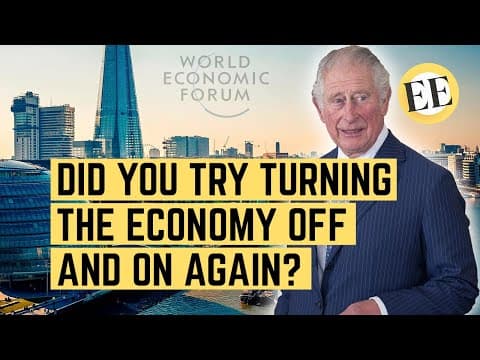
Davos Uncovered: Do We Need the World Economic Forum?
TL;DR
The WEF in Davos is controversial yet influential.
Transcript
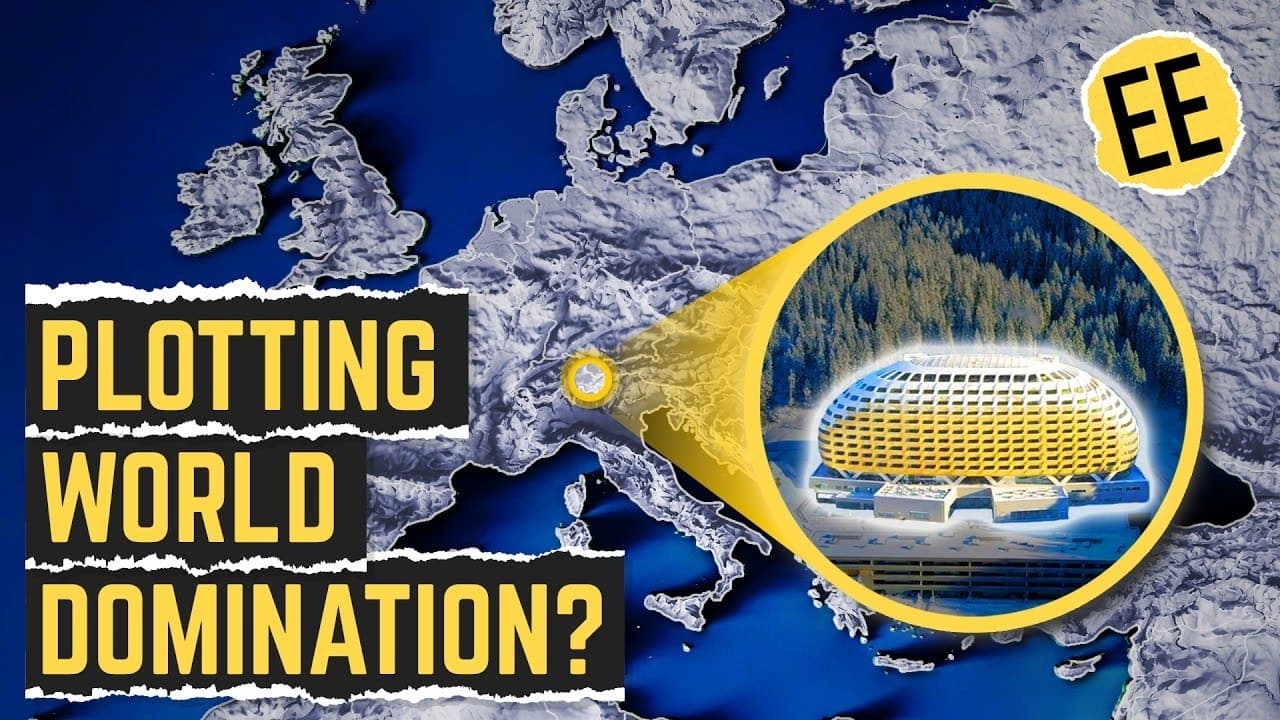
The World Economic Forum is an international non-government organization that doesn't technically have any practical power like the IMF, World Bank or World Trade Organization does. Even still every year it attracts some of the most powerful economists, policy makers, business executives, celebrities, religious leaders, journalists and politicians ... Read More
Key Insights
- The World Economic Forum (WEF) holds an annual summit in Davos, attracting powerful global figures, but it lacks direct international power like the IMF or World Bank.
- The WEF has been criticized for pushing controversial ideas and being perceived as a secretive organization, which fuels conspiracy theories about its true intentions.
- Despite its controversial image, the WEF provides a platform for global leaders to share economic knowledge and discuss macroeconomic concerns.
- The WEF is primarily funded by businesses, not governments, raising concerns about its independence and potential bias in favor of corporate interests.
- The high costs of attending Davos hint at the real allure: exclusive networking opportunities and behind-the-scenes discussions not available to the public.
- Critics argue that the WEF's initiatives, such as sustainable capitalism, are hypocritical given the private jet travel of attendees and the corporate sponsorships.
- The WEF's 'great reset' initiative was poorly communicated, leading to public confusion and fear, despite its potential to foster innovative economic ideas post-pandemic.
- Davos is often seen as an elite gathering, creating public distrust and animosity due to its exclusivity and the perceived disconnect from average citizens' concerns.
Install to Summarize YouTube Videos and Get Transcripts
Explore YouTube Video Summarizer or Get YouTube Transcript Extractor
Questions & Answers
Q: What is the World Economic Forum's main purpose?
The World Economic Forum (WEF) aims to engage business, political, academic, and other leaders of society to shape global, regional, and industry agendas. It provides a platform for influential figures to discuss macroeconomic concerns and share economic knowledge, although it lacks direct international power like organizations such as the IMF or World Bank.
Q: Why is the WEF criticized for its funding sources?
The WEF is primarily funded by businesses rather than governments, raising concerns about its independence and potential bias. The organization relies on corporate sponsorships, which could influence its initiatives and discussions. Critics argue that this funding model may compromise the WEF's ability to genuinely advocate for change that might conflict with corporate interests.
Q: What controversies surround the Davos summit?
The Davos summit is criticized for its exclusivity and high costs, suggesting that its true value lies in exclusive networking and private discussions. The forum's initiatives, such as sustainable capitalism, face accusations of hypocrisy due to the private jet travel of attendees and corporate sponsorships. These factors contribute to public distrust and conspiracy theories about the WEF's true intentions.
Q: How does the WEF's 'great reset' initiative contribute to public confusion?
The 'great reset' initiative was poorly communicated by the WEF, leading to public confusion and fear. The initiative was intended as a thought experiment for rebuilding the global economy post-pandemic, but its vague messaging and sensational terminology fueled conspiracy theories. This highlights the WEF's struggle to effectively convey its ideas to the public.
Q: What role does networking play at the Davos summit?
Networking is a key attraction at the Davos summit, where businesses and politicians can engage in exclusive discussions and form connections outside official channels. The high costs of attending suggest that the real allure lies in these private interactions, which are not available to the public. This exclusivity contributes to the perception of the WEF as an elite gathering.
Q: Why do some view the WEF as an elite club?
The WEF is often seen as an elite club due to its exclusivity, high costs, and the participation of influential global figures. The forum's perceived disconnect from average citizens' concerns and its reliance on corporate sponsorships contribute to public distrust. This perception fuels conspiracy theories and criticism of the WEF's true intentions and effectiveness.
Q: How does the WEF's reliance on corporate sponsorships impact its initiatives?
The WEF's reliance on corporate sponsorships raises questions about its independence and potential bias. Critics argue that this funding model may compromise the organization's ability to genuinely advocate for change that might conflict with corporate interests. Initiatives like sustainable capitalism face accusations of hypocrisy due to the involvement of major corporations.
Q: What is the public perception of the WEF's impact on global issues?
Public perception of the WEF is mixed, with some viewing it as a valuable platform for discussing global issues, while others see it as an exclusive elite club disconnected from average citizens. The organization's perceived lack of transparency, corporate funding, and sensational initiatives contribute to public distrust and conspiracy theories about its true impact and intentions.
Summary & Key Takeaways
-
The World Economic Forum (WEF) is an annual summit in Davos attracting influential global figures, yet it lacks direct power like other international organizations. Despite being seen as a secretive elite club, it serves as a platform for sharing economic knowledge and discussing global concerns, though its corporate funding raises bias concerns.
-
Criticism of the WEF includes its high costs, which suggest the true value lies in exclusive networking and private discussions. The organization's initiatives, like sustainable capitalism, face hypocrisy accusations due to the private jet travel of attendees and corporate sponsorships. Its 'great reset' initiative was poorly communicated, causing public confusion.
-
The WEF's exclusivity and perceived disconnect from average citizens fuel public distrust and conspiracy theories. Despite this, the forum provides a platform for global leaders to discuss macroeconomic concerns and potential innovations. However, its reliance on corporate funding and elite participation raises questions about its true independence and effectiveness.
Read in Other Languages (beta)
Share This Summary 📚
Summarize YouTube Videos and Get Video Transcripts with 1-Click
Try YouTube Summary with ChatGPT & Claude or YouTube Transcript Generator
Explore More Summaries from Economics Explained 📚


Summarize YouTube Videos and Get Video Transcripts with 1-Click
Try YouTube Summary with ChatGPT & Claude or YouTube Transcript Generator