What Are the Different Types of English Tenses?
TL;DR
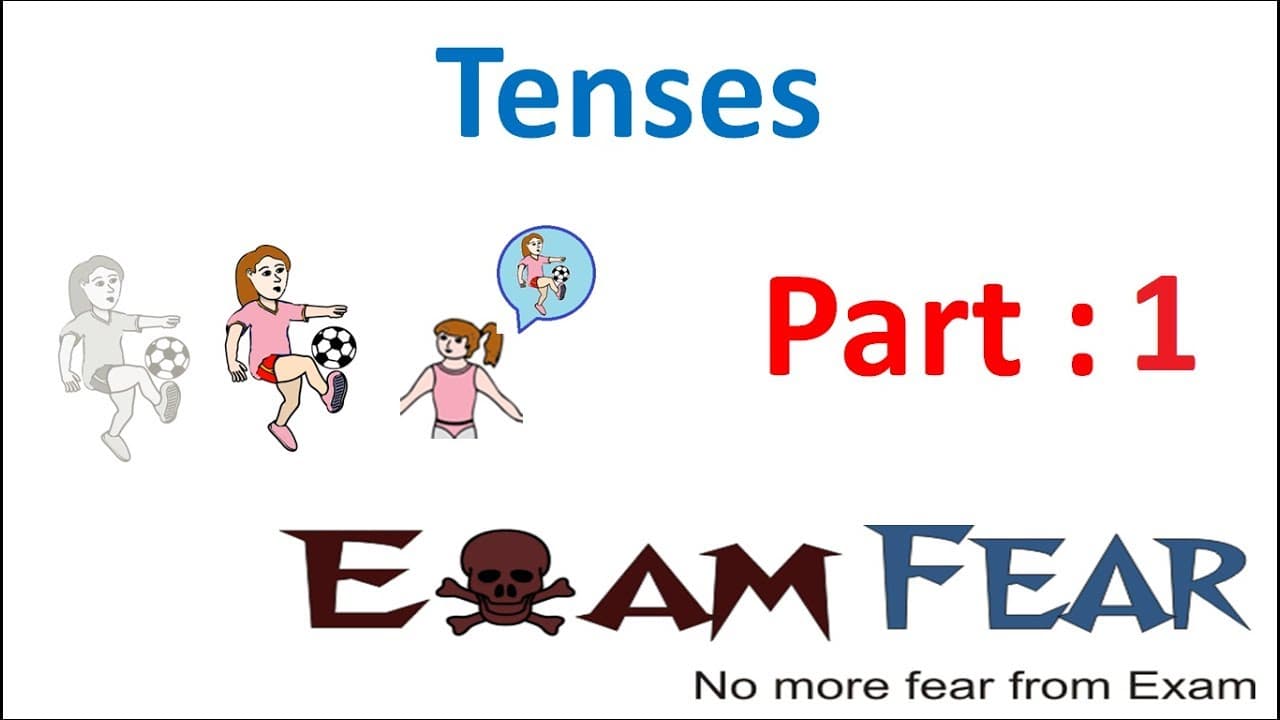
Tenses in English signify the time and state of actions, categorised into three types: present, past, and future. Present tense describes ongoing actions, past tense refers to completed actions, and future tense indicates actions yet to occur. Understanding these distinctions enhances clarity in communication.
Transcript
Hello friends this video on tenses part one is brought to you by exam fear.com no more fear from exam topics to be covered in this lesson are introduction to tenses types of tenses present tense wherein we'll talk about simple present present continuous present perfect and present perfect continuous past tense where again we'll discuss about simple... Read More
Key Insights
- 👻 Tenses indicate the time and state of an action or event, allowing for effective communication.
- 🍝 Present tense refers to actions happening in the current time, past tense relates to actions that have already occurred, and future tense signifies actions yet to happen.
- 💁 By observing the form of the verb, it is possible to determine which tense is being used.
Install to Summarize YouTube Videos and Get Transcripts
Explore YouTube Video Summarizer or Get YouTube Transcript Extractor
Questions & Answers
Q: What is the purpose of tenses in grammar?
Tenses help indicate the time and state of an action or event, allowing for clear communication about when something happened or will happen. They provide context and meaning to sentences.
Q: How can tenses be used to differentiate between past, present, and future actions?
By observing the form of the verb in a sentence, we can determine the tense. For example, "I play football" is in the present tense, while "I played football" is in the past tense, and "I will play football" is in the future tense.
Q: What is the importance of understanding the state of an action in tenses?
The state of an action in tenses helps convey additional information about the action. For example, "I am reading a book" indicates that the action is currently ongoing, while "I have read a book" suggests that the action is completed.
Q: Can tenses be used to describe past actions with ongoing effects?
Yes, tenses like "I have been reading a book" indicate that the action started in the past but is still ongoing. It implies that the action has not been completed yet.
Summary & Key Takeaways
-
Tenses indicate the time and state of an action or event. They are divided into three types: present tense, past tense, and future tense.
-
Present tense refers to actions happening in the current time, such as "I play football."
-
Past tense indicates actions that have already occurred, like "I played football."
-
Future tense signifies actions that are yet to happen, as in "I will play football."
Read in Other Languages (beta)
Share This Summary 📚
Summarize YouTube Videos and Get Video Transcripts with 1-Click
Try YouTube Summary with ChatGPT & Claude or YouTube Transcript Generator
Explore More Summaries from LearnoHub - Class 11, 12 📚
Summarize YouTube Videos and Get Video Transcripts with 1-Click
Try YouTube Summary with ChatGPT & Claude or YouTube Transcript Generator