How Farmers Are Fighting Challenges to Keep Food on Our Tables [Advertiser content from Tillamook]
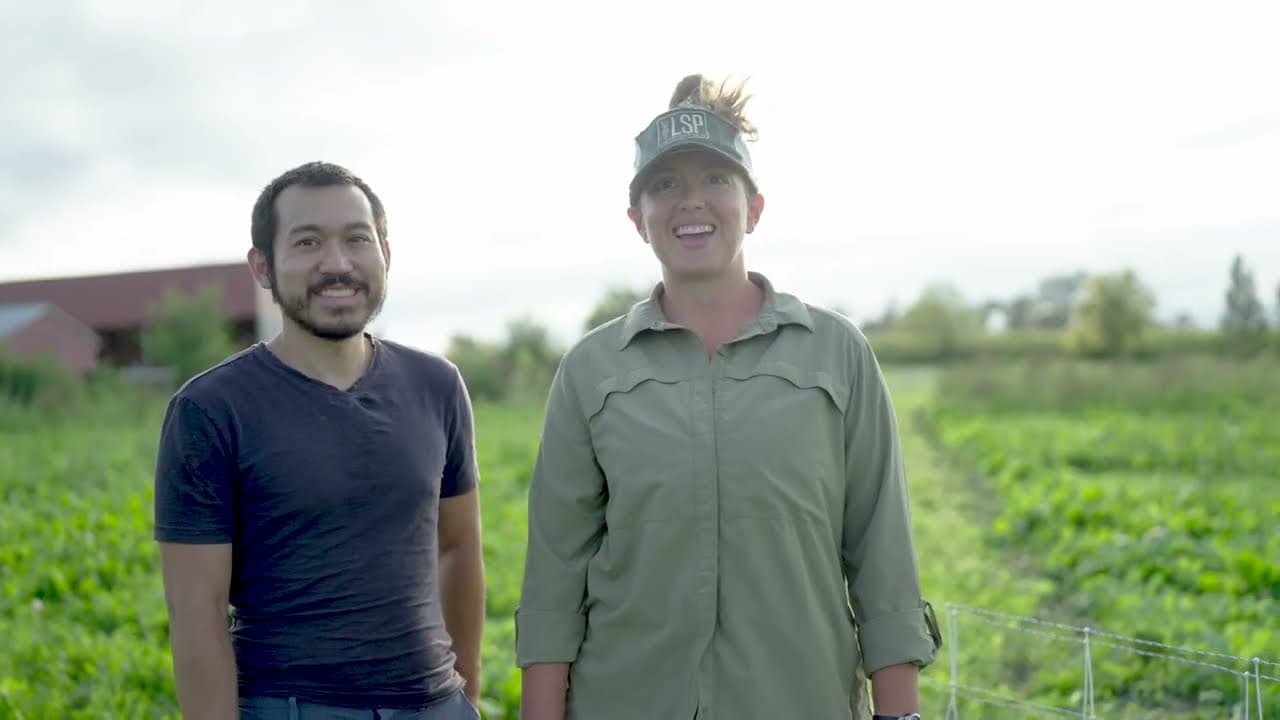
TL;DR
Farmers face climate, economic, and land challenges, impacting food supply.
Transcript
go ahead take a bite rich flavor fresh ingredients bold cheesy goodness but where does it all come from the simple answer is a lot of different types of farmers but that answer isn't enough people have become disconnected from the sources of their food and these sources are facing significant challenges from small vegetable farmers to multi-generat... Read More
Key Insights
- Farmers are facing significant challenges, including climate change, economic pressures, and land loss, which affect food supply and farming sustainability.
- The farming workforce has drastically decreased since 1950, with a significant portion of current farmers nearing retirement age, highlighting the need for new generations of farmers.
- Nettle Valley Farm exemplifies resilience by using traditional and innovative farming techniques to improve soil health and adapt to changing conditions.
- The U.S. has lost 11 million acres of farmland to development in the last 20 years, emphasizing the need for land conservation and sustainable practices.
- Climate change is causing unpredictable weather patterns, forcing farmers to adapt their practices to maintain resilience and productivity.
- Consumers play a vital role in supporting farmers by making informed food choices and valuing sustainable farming practices.
- The All for Farmers initiative by Tillamook and American Farmland Trust aims to support farmers and promote sustainable agriculture across the U.S.
- Maintaining healthy soil, clean water, and air is crucial for sustainable farming, requiring collective action from consumers and the agricultural community.
Install to Summarize YouTube Videos and Get Transcripts
Explore YouTube Video Summarizer or Get YouTube Transcript Extractor
Questions & Answers
Q: What challenges are farmers facing today?
Farmers are facing a range of challenges including climate change, economic pressures, and land loss. These challenges affect their ability to produce food sustainably and maintain resilience. Unpredictable weather patterns, increased development leading to land loss, and financial difficulties are some of the critical issues impacting farmers today.
Q: How has the farming workforce changed since 1950?
Since 1950, the farming workforce has significantly decreased. In 1950, over 12% of the U.S. workforce worked on farms, but today, that number has dwindled to just 1.3%. This reduction is compounded by the aging farmer population, with many nearing retirement age, highlighting the need for new generations of farmers.
Q: What innovative techniques are being used at Nettle Valley Farm?
Nettle Valley Farm employs a combination of traditional and innovative farming techniques to enhance resilience. They focus on soil health by increasing crop diversity and integrating diverse livestock. These practices help improve soil structure and fertility, reduce erosion, and increase resilience against climate change and economic pressures.
Q: How much farmland has the U.S. lost to development?
The United States has lost 11 million acres of farmland to development over the past 20 years. This loss of agricultural land to real estate and other developments poses a significant challenge to sustainable farming and food production, emphasizing the need for land conservation and sustainable practices.
Q: How does climate change affect farming practices?
Climate change introduces unpredictable weather patterns, such as more frequent floods, fires, and extreme temperatures, which force farmers to adapt their practices. These changes impact planting and harvesting schedules, crop yields, and livestock management, requiring farmers to develop innovative solutions to maintain resilience and productivity.
Q: What role do consumers play in supporting farmers?
Consumers play a crucial role in supporting farmers by making informed food choices and valuing sustainable farming practices. By being intentional about the food they buy, consumers can help create demand for sustainably produced goods, which in turn supports farmers in maintaining healthy soil, clean water, and air.
Q: What is the All for Farmers initiative?
The All for Farmers initiative, created by Tillamook and American Farmland Trust, aims to support farmers across the U.S. by promoting sustainable agriculture. The initiative encourages consumers to make informed food choices and supports farmers in adopting practices that enhance resilience and sustainability, thereby securing the food supply for future generations.
Q: Why is maintaining healthy soil important for farming?
Maintaining healthy soil is crucial for sustainable farming as it supports plant growth, enhances water retention, and reduces erosion. Healthy soil also helps sequester carbon, contributing to climate change mitigation. Sustainable soil management practices, such as cover cropping and reduced tillage, are essential for long-term agricultural productivity and environmental health.
Summary & Key Takeaways
-
Farmers today face numerous challenges, from climate change and economic pressures to land loss, all of which impact the food supply and farming sustainability. With the farming workforce aging, there is a need for new generations of farmers to continue the tradition and adapt to modern challenges.
-
Nettle Valley Farm showcases resilience by combining traditional and innovative farming techniques to enhance soil health and adapt to changing environmental conditions. The farm's approach highlights the importance of diversity in crops and livestock to increase resilience against climate change and economic pressures.
-
The All for Farmers initiative, launched by Tillamook and American Farmland Trust, seeks to support farmers across the U.S. by promoting sustainable agriculture and encouraging consumers to make informed food choices. This collective effort aims to secure the food supply for future generations and maintain healthy ecosystems.
Read in Other Languages (beta)
Share This Summary 📚
Summarize YouTube Videos and Get Video Transcripts with 1-Click
Try YouTube Summary with ChatGPT & Claude or YouTube Transcript Generator
Explore More Summaries from Vox 📚






Summarize YouTube Videos and Get Video Transcripts with 1-Click
Try YouTube Summary with ChatGPT & Claude or YouTube Transcript Generator