Cultivating Trust With One-on-One Time
TL;DR
One-on-one time with a trusted adult can help children manage stress, improve focus, and enhance learning.
Transcript
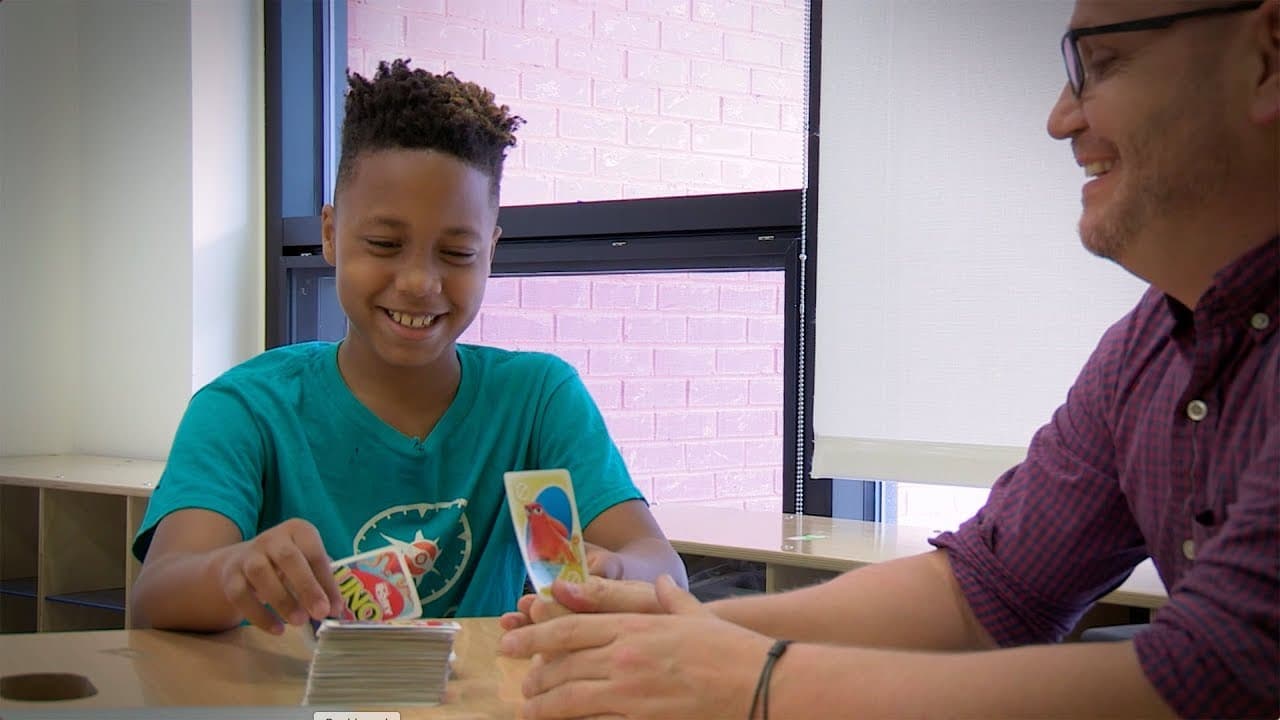
Cantor: Stress will make it very difficult for children to pay attention, to focus and to learn. But there is a powerful antidote to stress and that is the effect of the human relationship and the presence of trust. >>One-on-one time is a great opportunity for a child to have with an adult where they can feel seen, known, soothed, cared about and... Read More
Key Insights
- 👶 One-on-one time with a trusted adult is a powerful antidote to stress and enhances a child's ability to pay attention and learn.
- 🧑🎓 Student support teams play a crucial role in identifying students who would benefit from one-on-one time.
- 🧑🎓 Non-contingent time, provided consistently and regardless of behavior, helps build trust and connection between students and teachers.
- 🧑🎓 Academic performance and emotional well-being improve when students feel supported and safe in their educational environment.
- 🍳 Non-academic times, such as lunch or snack breaks, provide ideal opportunities for one-on-one interactions.
- 👻 One-on-one time allows students to talk about personal interests, hobbies, and struggles, fostering a deeper connection with their teachers.
- 🧑🎓 The predictability and consistency of one-on-one time address students' need for stability and encourage a positive mindset.
Install to Summarize YouTube Videos and Get Transcripts
Explore YouTube Video Summarizer or Get YouTube Transcript Extractor
Questions & Answers
Q: How does one-on-one time with a trusted adult help children manage stress?
One-on-one time allows children to feel seen, known, soothed, and cared about, reducing stress and creating a conducive environment for learning. It provides a safe space for them to express their emotions and talk about their struggles.
Q: How is non-contingent time different from reward-based or punishment-based interactions?
Non-contingent time is not based on behavior, rewards, or punishments. It is consistent and always available, regardless of the child's actions. This builds trust and helps children feel supported even on their hardest days.
Q: How does one-on-one time impact academic performance?
One-on-one time has been shown to improve academic performance by increasing focus and attentiveness in the classroom. Students who feel supported and trust their teachers are more willing to engage in learning activities.
Q: How does one-on-one time benefit a child emotionally?
One-on-one time creates a safe and trusting environment where children can share their personal struggles and communicate about any problems they may face. This emotional support helps them manage stress, control their emotions, and feel less anxiety.
Summary & Key Takeaways
-
One-on-one time provides children with the opportunity to feel seen, known, and cared for, helping them open up to learning.
-
Student support teams identify students who need extra support and schedule non-academic one-on-one time, usually during lunch or snack breaks.
-
Non-contingent one-on-one time, not dependent on behavior, provides predictability and consistency that students crave and helps them cope with difficult days.
Read in Other Languages (beta)
Share This Summary 📚
Summarize YouTube Videos and Get Video Transcripts with 1-Click
Try YouTube Summary with ChatGPT & Claude or YouTube Transcript Generator
Explore More Summaries from Edutopia 📚



Summarize YouTube Videos and Get Video Transcripts with 1-Click
Try YouTube Summary with ChatGPT & Claude or YouTube Transcript Generator