Monkey Island | 60 Minutes
TL;DR
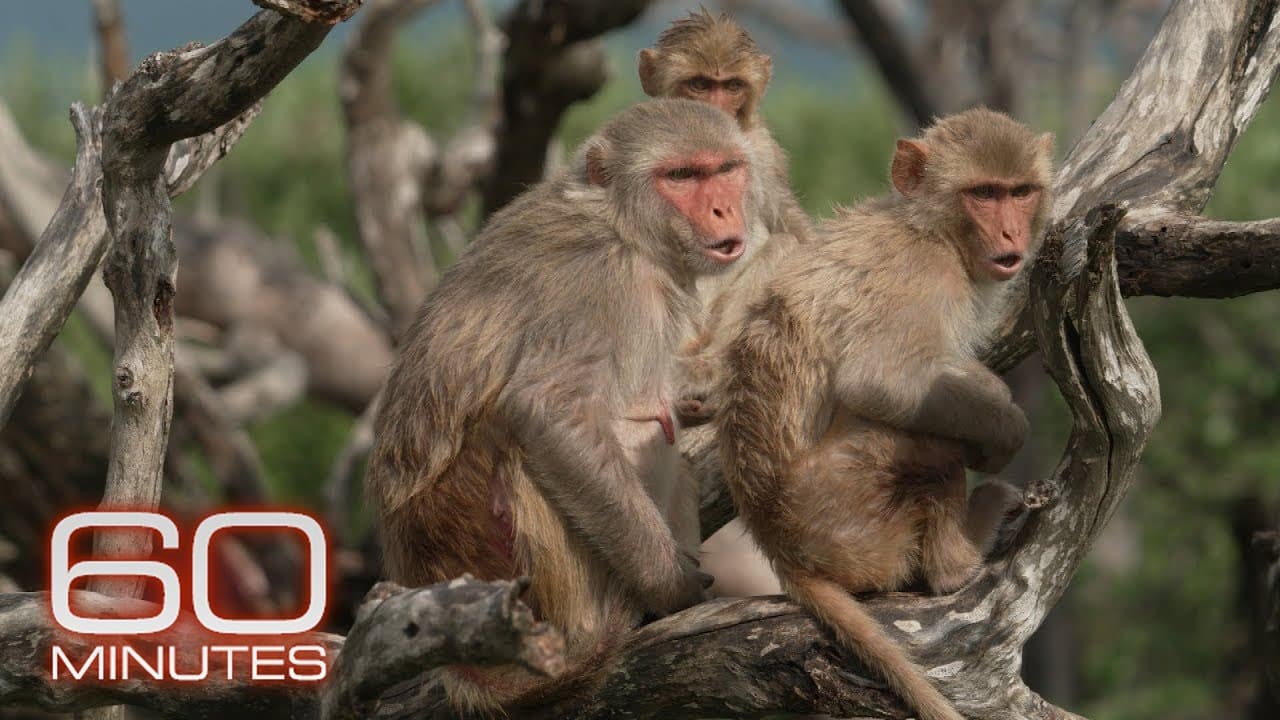
Scientists study monkeys on a remote island to understand the effects of environmental crises on longevity and health. Monkeys showed resilience and adaptability after surviving a devastating hurricane.
Transcript
with extreme weather events on the rise across the globe like the rare Category 5 hurricane that hit Mexico in October we were interested in a study that's taking place on a remote island very few people are allowed to visit where scientists are studying how the stress of these environmental crises affect longevity and overall health as Leslie stal... Read More
Key Insights
- 🙈 The study explores the effects of environmental crises on the lifespan and health of Reese's macaque monkeys.
- 🙈 The monkeys on the remote island showed resilience and adaptability after surviving a devastating hurricane.
- 😷 The monkeys' genetic and physiological similarity to humans makes them valuable subjects for medical research.
- 🙈 The monkeys' social behavior changed after the hurricane, with increased tolerance and social interactions.
- 🤕 The hurricane caused the monkeys' immune systems to age faster, highlighting the impact of trauma on aging.
Install to Summarize YouTube Videos and Get Transcripts
Explore YouTube Video Summarizer or Get YouTube Transcript Extractor
Questions & Answers
Q: How long do the monkeys typically live on the island?
The median lifespan for females is about 18 years, while for males, it is around 15 years. The monkeys' lifespan has been affected by the recent environmental changes caused by the hurricane.
Q: Are there any predators on the island?
No, there are no predators on the island. The monkeys live in a relatively safe environment, making their circumstances different from those in the wild.
Q: What do the monkeys eat?
The monkeys are served meals every morning, and they eat a specially made monkey chow by Purina. They have a hierarchy in which the highest-ranking monkeys get to eat first.
Q: How similar are the monkeys to humans?
Reese's macaque monkeys share about 94% of their DNA with humans, making them genetically and physiologically similar. This is why they are commonly used for medical research.
Q: How did the monkeys survive the devastating hurricane?
The monkeys' survival during the hurricane is still a mystery. One possibility is that they found nourishment in the seaweed and algae that were deposited on the island by the storm.
Q: How did the hurricane impact the monkeys' social behavior?
The researchers noticed that the monkeys became more tolerant of each other and more social after the hurricane. This change in behavior was unexpected and counterintuitive.
Q: What did the study find about the monkeys' immune systems after the hurricane?
The monkeys that lived through the hurricane showed immune systems that resembled those of individuals who had aged an extra 2 years. This suggests that the trauma of the hurricane accelerated their aging process.
Q: Can the findings from this study be applicable to human resilience in the face of environmental crises?
The researchers believe that the strong similarity between these monkeys and humans allows for potential insights into human resilience. The study may provide ways to help humans mitigate the negative effects of traumatic events.
Summary & Key Takeaways
-
Scientists are studying monkeys on a remote island to explore the impact of environmental crises on their health and lifespan.
-
The monkeys, Reese's macaque monkeys, have survived with relative stability until a devastating storm hit the island six years ago.
-
The researchers found that the monkeys showed resilience and adaptability in the face of the hurricane's destruction.
Read in Other Languages (beta)
Share This Summary 📚
Summarize YouTube Videos and Get Video Transcripts with 1-Click
Try YouTube Summary with ChatGPT & Claude or YouTube Transcript Generator
Explore More Summaries from 60 Minutes 📚



Summarize YouTube Videos and Get Video Transcripts with 1-Click
Try YouTube Summary with ChatGPT & Claude or YouTube Transcript Generator