What Makes Ganymede a Potential Ocean World for Life?
TL;DR
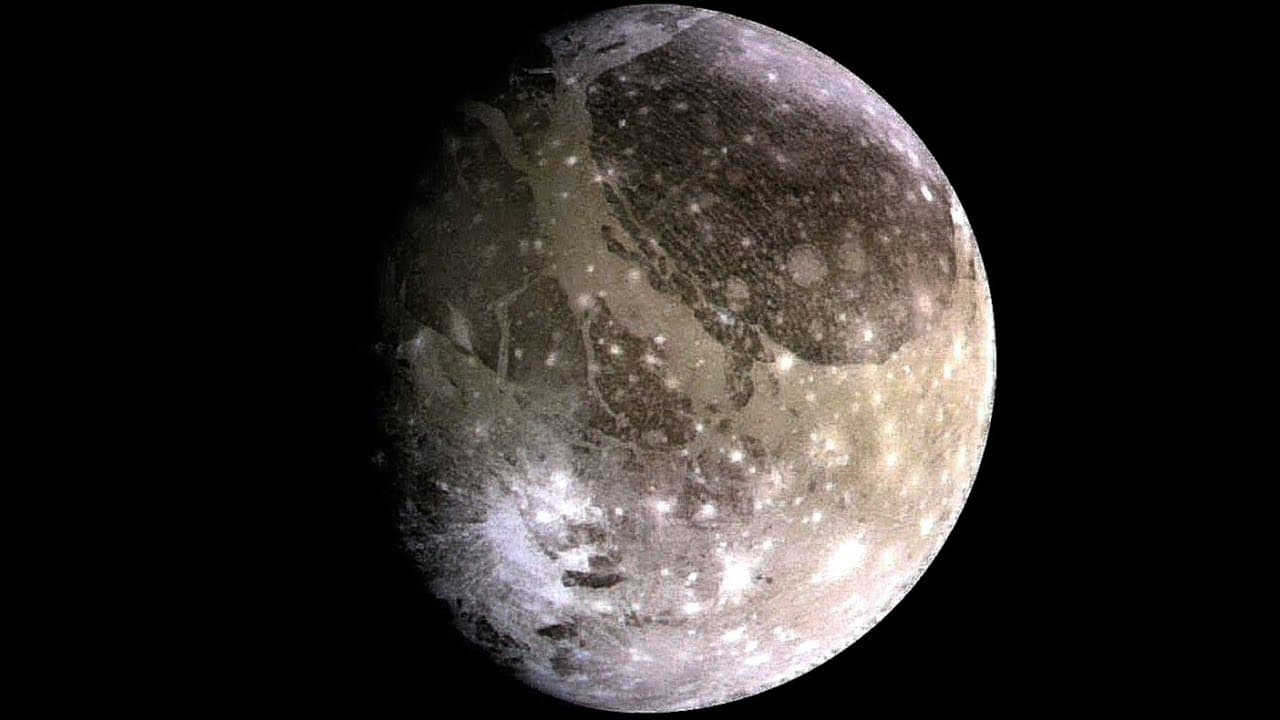
Ganymede, the largest moon in the solar system, is believed to have multiple stacked oceans beneath its icy surface, enhancing its potential to support life. This unique structure allows for direct interaction between liquid water and rocky material, which is crucial for nutrient availability, and suggests the existence of ecosystems adapted to varying pressures. Additionally, the presence of a magnetic field indicates a convecting liquid core.
Transcript
When we think of moons with oceans of liquid water locked under shells of ice, Europa and Enceladus immediately come to mind though there are others. The reason for that is simply that those two moons show the most evidence of such oceans, including fissures that spray water into space. But there is also a fair amount of evidence for another ocean ... Read More
Key Insights
- 💦 Ganymede, the largest moon in the solar system, offers potential for liquid water and life.
- 🏑 It has a unique magnetic field and differentiated internal structure.
- 🌊 The presence of multiple stacked oceans increases the likelihood of habitability.
- 👻 The new model overcomes previous challenges by allowing for interaction between liquid water and rocks.
- ❓ Ganymede's ecosystems, if they exist, would be unlike any other in the solar system.
- ✋ Barophiles on Earth demonstrate the possibility of life under high pressure.
- 🙃 Ice III formation could lead to a phenomenon of "upside-down snow" within Ganymede's oceans.
Install to Summarize YouTube Videos and Get Transcripts
Explore YouTube Video Summarizer or Get YouTube Transcript Extractor
Questions & Answers
Q: What sets Ganymede apart from other moons in the solar system in terms of its potential for life?
Ganymede stands out as the only moon with a magnetic field and differentiated internal structure, including a rocky mantle. It also shows evidence of multiple stacked oceans, increasing the possibility for life.
Q: How does the new model of Ganymede's oceans overcome previous challenges for potential life?
In the new model, the presence of salts causes changes in water density, allowing for different phases of ice to form under high pressure. The layered effect creates opportunities for the interaction of liquid water and rocks, which are important for providing mineral nutrients for life.
Q: Could life exist in Ganymede's high-pressure oceans?
Yes, life under high pressure is possible, as demonstrated by organisms on Earth called barophiles. These organisms thrive in the deepest, high-pressure regions of our oceans. If they can survive, it suggests that Ganymede's ecosystems might also support life.
Q: What potential phenomenon was revealed in Ganymede's oceans?
The new model suggests that a form of ice called Ice III could form in the water itself. This would result in a unique phenomenon where ice would precipitate downward while also floating upwards, potentially causing "upside-down snow" within the oceans.
Summary & Key Takeaways
-
Ganymede, the largest moon in the solar system, shows evidence of oceans of liquid water locked under ice shells.
-
It is the only moon known to have a magnetic field, indicating a convecting liquid core.
-
Recent research suggests that Ganymede has multiple oceans stacked on top of each other, increasing the potential for life.
Read in Other Languages (beta)
Share This Summary 📚
Summarize YouTube Videos and Get Video Transcripts with 1-Click
Try YouTube Summary with ChatGPT & Claude or YouTube Transcript Generator
Explore More Summaries from John Michael Godier 📚


Summarize YouTube Videos and Get Video Transcripts with 1-Click
Try YouTube Summary with ChatGPT & Claude or YouTube Transcript Generator