What Life Lessons Can You Learn from Lifting Weights?
TL;DR
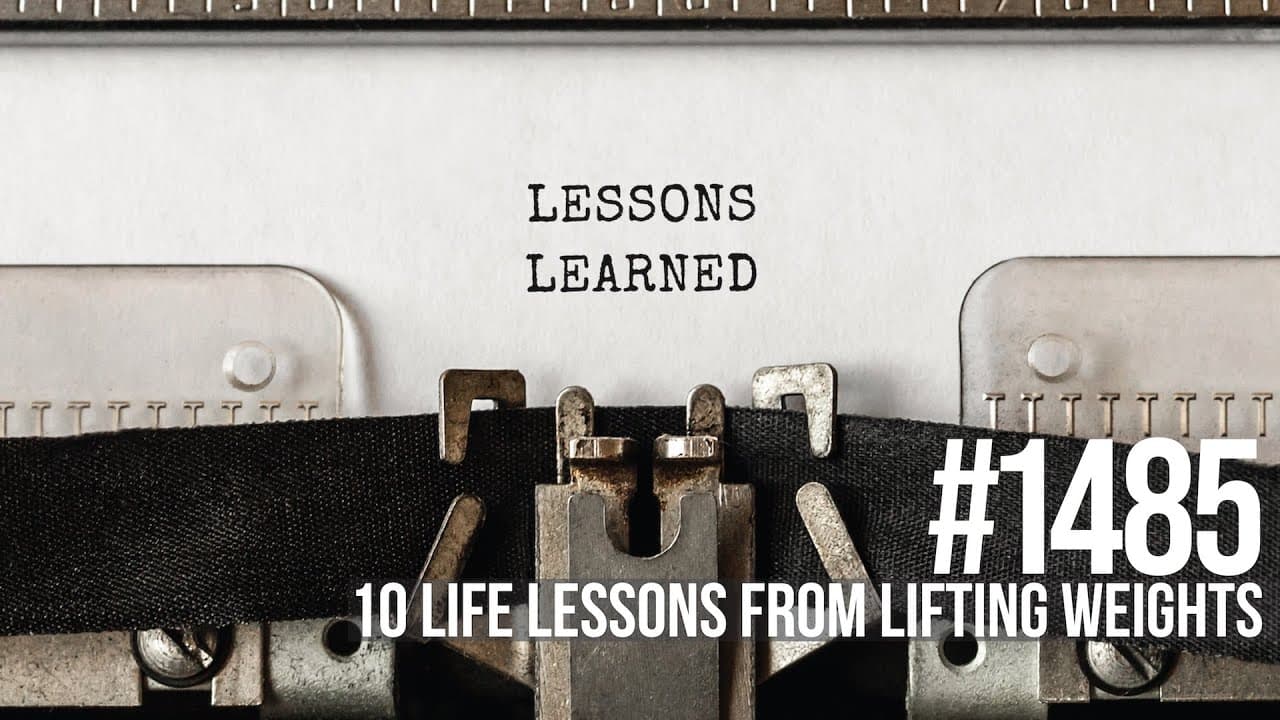
Lifting weights teaches valuable life lessons beyond physical health, such as embracing failure, focusing on what you can change, and the importance of consistency. These lessons help improve not just your physique but also your mental resilience and overall life satisfaction. By understanding these principles, you can apply them to various aspects of life, leading to personal growth and success.
Transcript
you are watching the fastest growing fitness health and entertainment podcast on youtube this is mind pump now today's episode we talk about life lessons 10 life lessons you learn from lifting weights you thought you were just developing your body no you're getting better at life that's what you can get from this episode by the way make sure you su... Read More
Key Insights
- Lifting weights changes your relationship with pain and struggle, teaching you to embrace challenges rather than avoid them.
- Failure is an essential part of the growth process, and lifting weights helps you learn to accept and learn from it.
- Caring for yourself like someone you care about can lead to better health and fitness outcomes.
- Focusing on what you can change and ignoring what you can't is crucial for progress in both fitness and life.
- Perfection is unattainable; striving for it can lead to unhealthy behaviors and dissatisfaction.
- Humility is important as there's always someone stronger or more knowledgeable, which keeps you learning and growing.
- Consistency in fitness leads to success, often outweighing the benefits of having the best workout plan.
- The journey is more important than the goal; enjoying the process leads to sustained motivation and progress.
Install to Summarize YouTube Videos and Get Transcripts
Explore YouTube Video Summarizer or Get YouTube Transcript Extractor
Questions & Answers
Q: How does lifting weights teach you to embrace failure?
Lifting weights involves pushing your limits and often failing to lift a weight or complete a set. This teaches you that failure is a natural part of the growth process. By continually trying and learning from these failures, you become more resilient and better equipped to handle setbacks in other areas of life.
Q: Why is consistency important in fitness and life?
Consistency is crucial because it leads to sustained progress over time. In fitness, a consistent workout routine, even if not perfect, yields better results than sporadic intense sessions. This principle applies to life, where consistent effort and habits lead to long-term success and achievement of goals.
Q: What does it mean to have a healthy relationship with pain in fitness?
A healthy relationship with pain in fitness means understanding that discomfort is part of the process of building strength and endurance. It involves recognizing that pain from exertion is temporary and a sign of progress, rather than something to avoid. This mindset can help you tackle life's challenges more effectively.
Q: How can lifting weights teach you about balance?
Lifting weights teaches balance by showing that overtraining can lead to injury and setbacks. Finding the right balance between exercise, rest, and recovery leads to better results. This lesson applies to life, where balancing work, leisure, and personal time is key to overall well-being and success.
Q: What is the importance of focusing on what you can change?
Focusing on what you can change helps you direct your energy and efforts towards achievable goals. In fitness, this means working on improving your form or increasing your strength. In life, it involves concentrating on aspects within your control, leading to more effective problem-solving and personal growth.
Q: Why is humility important in fitness?
Humility is important because it keeps you open to learning and growth. In fitness, there's always someone stronger or more knowledgeable, and recognizing this helps you stay motivated and continue improving. Humility fosters a growth mindset, essential for continuous development in all areas of life.
Q: How does lifting weights help with self-criticism?
Lifting weights helps with healthy self-criticism by allowing you to objectively assess your progress and areas for improvement. It encourages you to set realistic goals and make adjustments without harsh judgment. This approach can be applied to personal and professional life, promoting self-awareness and growth.
Q: What is the significance of the journey over the goal in fitness?
The journey is significant because it encompasses the daily habits and processes that lead to long-term success. In fitness, focusing on the journey means enjoying the workouts and the progress you make, rather than fixating solely on the end goal. This mindset leads to sustained motivation and continuous improvement.
Summary & Key Takeaways
-
Lifting weights teaches you to embrace pain and struggle as part of growth, which is applicable to life challenges. This change in perspective helps in facing life's struggles more effectively.
-
Embracing failure as a learning tool is another key lesson from lifting weights. It encourages persistence and resilience, crucial for personal and professional success.
-
Consistency and focusing on what you can change are essential for achieving fitness goals and can be applied to other life areas for long-term success and satisfaction.
Read in Other Languages (beta)
Share This Summary 📚
Summarize YouTube Videos and Get Video Transcripts with 1-Click
Try YouTube Summary with ChatGPT & Claude or YouTube Transcript Generator
Explore More Summaries from Mind Pump Show 📚




Summarize YouTube Videos and Get Video Transcripts with 1-Click
Try YouTube Summary with ChatGPT & Claude or YouTube Transcript Generator