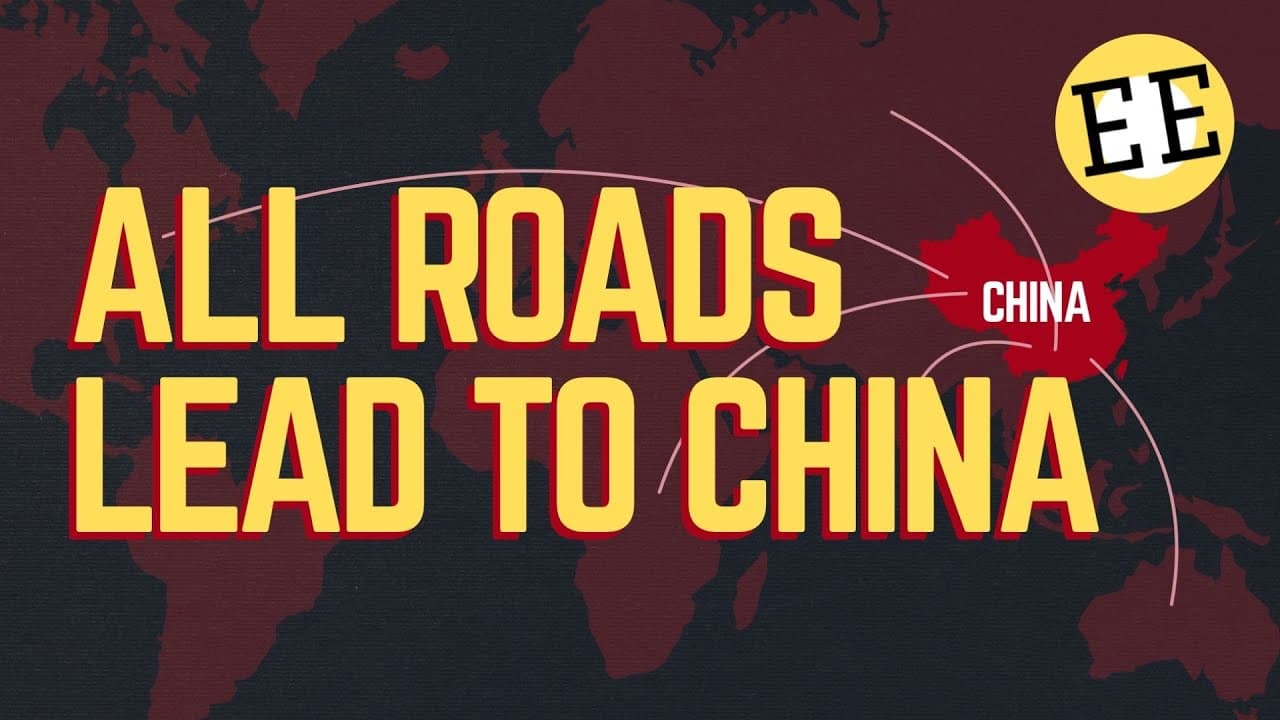
The Economics of China’s Enormous Belt & Road Initiative
TL;DR
China's Belt and Road Initiative aims for global economic influence.
Transcript
the Belton Road initiative is set to be the most influential economic development project in recent history it will be an investment of trillions of dollars connecting dozens of nations with roads rail lines shipping routes and most importantly trade deals but for all of the impressive figures there is an equally concerning list of problems centere... Read More
Key Insights
- The Belt and Road Initiative (BRI) is a massive infrastructure project by China, aiming to connect over 100 countries through roads, railways, and shipping routes, fostering trade and economic development.
- China is investing trillions into the BRI, focusing on creating trade routes that will enhance its economic influence and secure access to essential resources like fossil fuels and minerals.
- The BRI is expected to benefit China by expanding its import capabilities, especially for natural resources, and by positioning it as a central economic power in the global market.
- Participating countries, especially developing ones, may benefit from improved infrastructure and economic opportunities, although there are concerns about debt sustainability and potential Chinese control over key assets.
- China's strategy includes offering low-interest loans to developing nations, which could lead to debt traps if these countries fail to repay, potentially allowing China to seize critical infrastructure.
- The BRI aims to diversify China's resource imports, reducing reliance on traditional suppliers like Australia and Brazil, and potentially undercutting them by leveraging lower-cost resources from developing nations.
- While the BRI could foster economic growth in participant countries, it also raises concerns about geopolitical influence and China's growing economic dominance on the global stage.
- Critics argue that the BRI's true motive may be more about extending China's geopolitical influence rather than purely economic benefits, raising questions about global power dynamics.
Install to Summarize YouTube Videos and Get Transcripts
Explore YouTube Video Summarizer or Get YouTube Transcript Extractor
Questions & Answers
Q: What is the Belt and Road Initiative (BRI)?
The Belt and Road Initiative (BRI) is a large-scale infrastructure project initiated by China, aiming to connect over 100 countries through a network of roads, railways, and shipping routes. The goal is to enhance trade and economic development, with China investing trillions of dollars to establish these trade routes and secure access to essential resources.
Q: How does the BRI benefit China?
The BRI benefits China by expanding its import capabilities, especially for natural resources, and positioning it as a central economic power in the global market. By creating new trade routes, China aims to secure access to essential resources like fossil fuels and minerals, while also extending its geopolitical influence and economic dominance.
Q: What are the potential benefits for participating countries in the BRI?
Participating countries, particularly developing ones, stand to benefit from improved infrastructure and economic opportunities through the BRI. The initiative could lead to enhanced trade, increased investment, and economic growth by providing these countries with the infrastructure needed to fully leverage their industrial potential and access global markets.
Q: What are the concerns about debt sustainability in the BRI?
Concerns about debt sustainability in the BRI arise from the low-interest loans provided by China to developing nations. If these countries fail to repay, they may fall into debt traps, potentially allowing China to seize control over critical infrastructure. This raises questions about the long-term economic impact and sovereignty of participating nations.
Q: How does the BRI aim to diversify China's resource imports?
The BRI aims to diversify China's resource imports by reducing reliance on traditional suppliers like Australia and Brazil. By investing in infrastructure in developing countries, China seeks to access lower-cost resources, potentially undercutting established suppliers and securing a more stable and diverse supply of essential materials for its industries.
Q: What are the geopolitical implications of the BRI?
The geopolitical implications of the BRI include China's growing influence and economic dominance on the global stage. By establishing a vast network of trade routes and infrastructure, China is extending its reach and potentially shifting global power dynamics. This has raised concerns about China's intentions and the balance of power in international relations.
Q: Is the BRI purely an economic initiative?
While the BRI is primarily presented as an economic initiative, critics argue that its true motive may involve extending China's geopolitical influence. The project raises questions about whether economic benefits are the primary goal or if the initiative is also a strategic move to increase China's global power and influence.
Q: How does the BRI compare to historical economic developments?
The BRI is considered one of the most influential economic developments of this century, comparable to the Industrial Revolution and the establishment of central banking. Its scale and potential impact on global trade and economic networks highlight its significance, making it a pivotal project in shaping future international economic relations.
Summary & Key Takeaways
-
China's Belt and Road Initiative is a significant economic project aiming to connect over 100 nations through infrastructure, enhancing trade and economic development. The initiative involves trillions in investments and focuses on establishing trade routes to secure resources and expand China's economic influence.
-
The BRI offers potential benefits to participating countries, particularly developing ones, by improving infrastructure and economic prospects. However, there are concerns about debt sustainability and the possibility of China gaining control over critical assets through debt trap diplomacy.
-
China's strategy includes diversifying its resource imports and reducing reliance on traditional suppliers. While the BRI could lead to economic growth for participant countries, it also raises concerns about China's geopolitical influence and its implications for global power dynamics.
Read in Other Languages (beta)
Share This Summary 📚
Summarize YouTube Videos and Get Video Transcripts with 1-Click
Try YouTube Summary with ChatGPT & Claude or YouTube Transcript Generator
Explore More Summaries from Economics Explained 📚



Summarize YouTube Videos and Get Video Transcripts with 1-Click
Try YouTube Summary with ChatGPT & Claude or YouTube Transcript Generator