Trita Parsi: Iran and Israel: Peace is possible
TL;DR
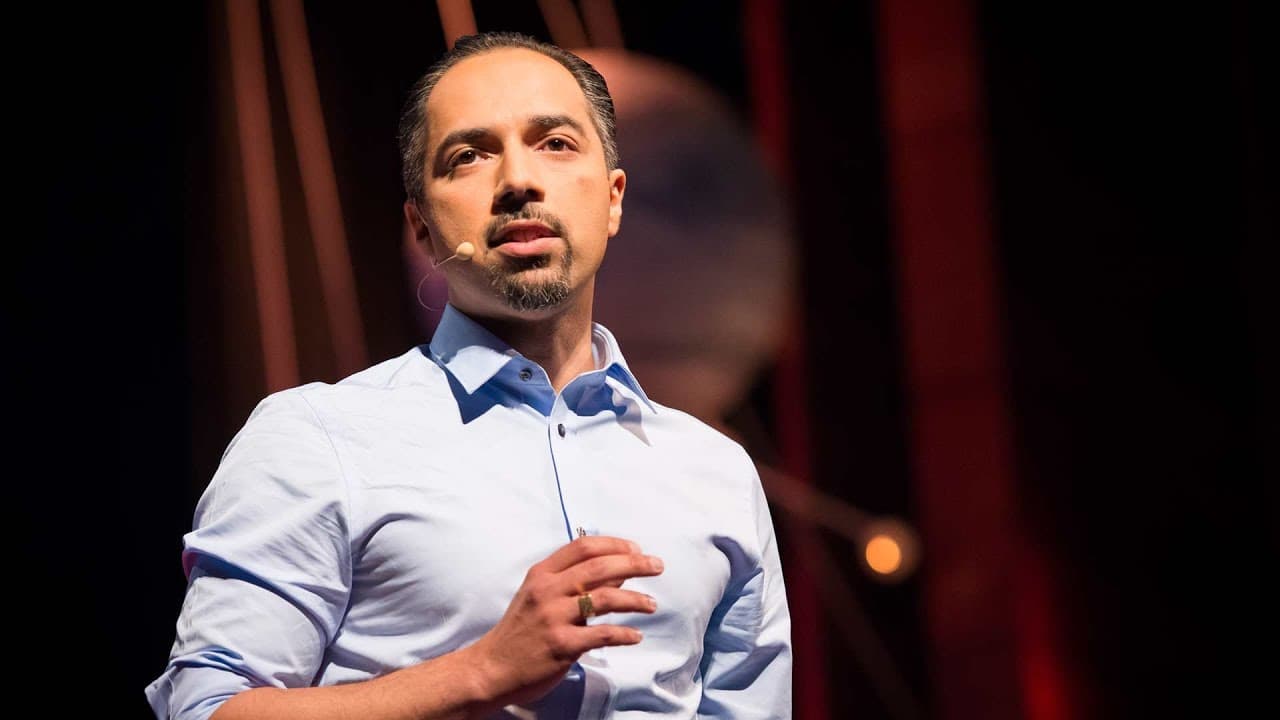
In this TED Talk, the speaker explores the historical and geopolitical factors that have shaped the complex relationship between Iran and Israel.
Transcript
"Iran is Israel's best friend, and we do not intend to change our position in relation to Tehran." Believe it or not, this is a quote from an Israeli prime minister, but it's not Ben-Gurion or Golda Meir from the era of the Shah. It's actually from Yitzhak Rabin. The year is 1987. Ayatollah Khomeini is still alive, and much like Ahmadinejad today, ... Read More
Key Insights
- 🌍 Throughout history, the relationship between Iran and the Jewish people has been largely positive, dating back to Babylonian captivity in 539 B.C., when the Persians liberated the Jewish people. Today, there is still a significant Jewish community living in Iran.
- 💡 The collaboration and close ties between Israel and Iran in the past were born out of a mutual perception of common threats, including the Soviet Union and strong Arab states like Egypt and Iraq.
- 🚪 The end of the Cold War and the defeat of Iraq marked a turning point in the Israel-Iran relationship. With their common threats gone, they began to view each other as rivals and competitors rather than potential security partners.
- 💔 The shift in the geopolitical landscape led to increased isolation of Iran, as Israel worked to put Iran in isolation rather than improve its relations with the United States.
- 🤝 Despite periods of hostility, opportunities for collaboration and peace have arisen. Netanyahu reached out to Iran upon his election in 1996, and the Iranians sent a comprehensive negotiation proposal to the Bush administration at a later time.
- 🔀 Hostility between Iran and Israel has not been solely driven by ideology, but rather changes in the geopolitical landscape. This suggests that war and enmity are not inevitable outcomes.
- 🔜 Some groups seek to eliminate diplomacy in the conflict, drawing comparisons to 1938 Germany and Hitler. However, eliminating diplomacy only makes war more likely. It is important to seek ways to make peace possible.
- 💫 The geopolitical roots of the conflict mean that solutions can be found and compromises can be made, despite the difficulties. As Yitzhak Rabin said, "You don't make peace with your friends. You make it with your enemies."
Install to Summarize YouTube Videos and Get Transcripts
Explore YouTube Video Summarizer or Get YouTube Transcript Extractor
Questions & Answers
Q: What was Yitzhak Rabin's stance on Iran in 1987?
Yitzhak Rabin referred to Iran as a geostrategic friend, emphasizing the positive relations between Iran and the Jewish people throughout history.
Q: What geopolitical factors led to collaboration between Iran and Israel?
Both Iran and Israel shared common threats, such as the Soviet Union and strong Arab states like Egypt and Iraq, which led to decades of security and intelligence collaboration.
Q: Did the collaboration between Iran and Israel continue after the Islamic revolution in 1979?
Despite Iran's anti-Israeli ideology, the geopolitical logic for their collaboration continued due to ongoing common threats. Israel even supported Iran during its war with Iraq by selling arms and providing spare parts.
Q: How did the end of the Cold War affect the relationship between Iran and Israel?
With the collapse of the Soviet Union and the defeat of Iraq, the common threats that brought Iran and Israel together diminished. As a result, they began seeing each other as rivals and competitors rather than potential security partners.
Summary & Key Takeaways
-
The relations between Iran and Israel have historically been positive, with the Jewish people being liberated by King Cyrus of Persia in 539 B.C.
-
Despite ideological differences, Iran and Israel collaborated in the past due to common threats and security concerns, such as the Soviet Union and strong Arab states.
-
The shift in geopolitical landscape after the Cold War led to increased rivalry between Iran and Israel, with both states seeking to isolate each other.
Read in Other Languages (beta)
Share This Summary 📚
Summarize YouTube Videos and Get Video Transcripts with 1-Click
Try YouTube Summary with ChatGPT & Claude or YouTube Transcript Generator
Explore More Summaries from TED 📚
Summarize YouTube Videos and Get Video Transcripts with 1-Click
Try YouTube Summary with ChatGPT & Claude or YouTube Transcript Generator