How to use Redux Toolkit in your React Application to manage state
TL;DR
Redux Toolkit streamlines state management in React, enhancing developer efficiency and component interactions.
Transcript
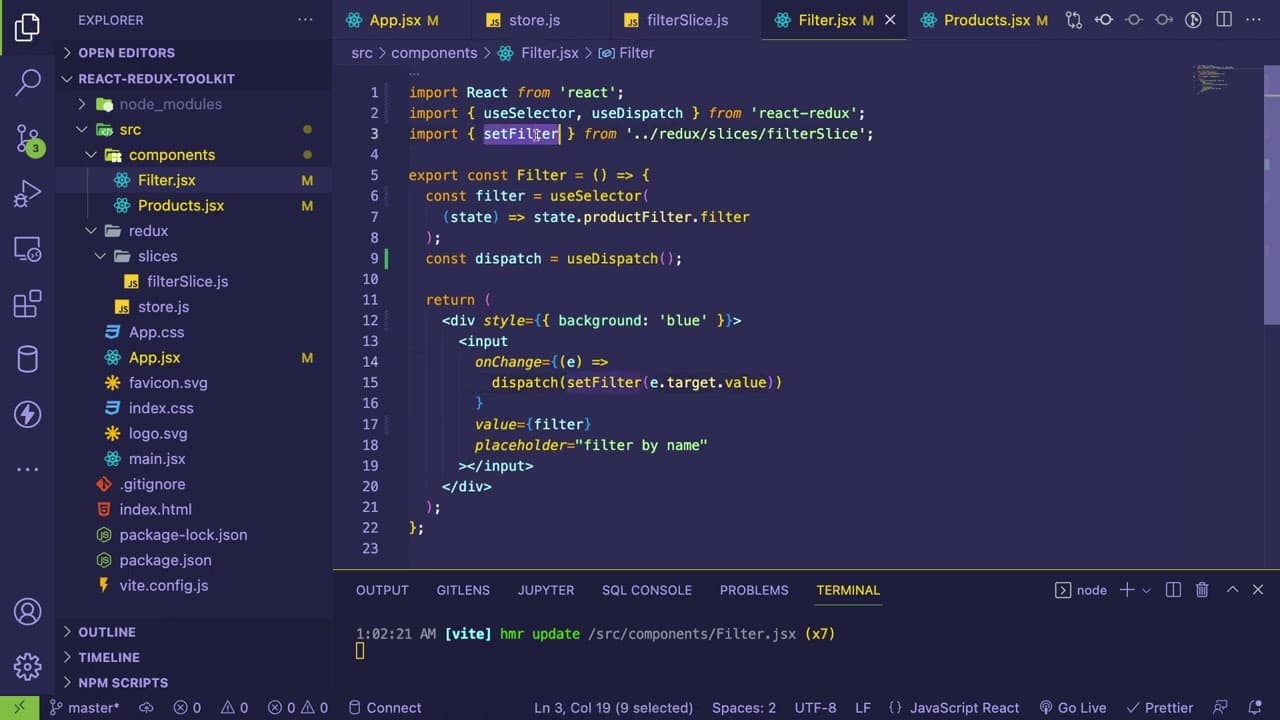
all right so someone on my discord asked if i could kind of explain redux um i'm gonna use redux toolkit in this little video uh so if you're using the older style of redux where you have to have all these actions and it's just a mess but let me just kind of explain how you can use redux toolkit you can read through the docs it's pretty straightfor... Read More
Key Insights
- 👻 Redux Toolkit allows for easier management of application state through consolidated "slices," making state logic modular.
- 👻 Elevating state allows for more direct communication between components without the complexity of prop drilling.
- 🏪 Using
useSelectoranduseDispatchhooks provides a seamless interface for components to interact with the Redux store. - 👋 Redux Toolkit supports a more developer-friendly approach to state management, encouraging best practices while requiring less boilerplate.
- 💐 The integration of tools for debugging state changes within Redux enhances the monitoring of data flow in applications.
- 😤 Developers are encouraged to choose the appropriate state management tool based on the complexity of their application and team requirements.
- 👶 Using Redux Toolkit facilitates adding new features and refactoring existing code within large applications, maintaining clarity.
Install to Summarize YouTube Videos and Get Transcripts
Explore YouTube Video Summarizer or Get YouTube Transcript Extractor
Questions & Answers
Q: What is Redux Toolkit, and why is it important?
Redux Toolkit is a library that simplifies the process of managing application state in React. It encapsulates common Redux patterns and practices, making it easier for developers to implement state management without falling into the pitfalls of boilerplate code, enhancing developer productivity and application scalability.
Q: How does Redux Toolkit differentiate itself from traditional Redux patterns?
Traditional Redux typically involves complex setups with multiple action types, constant definitions, and reducer functions. Redux Toolkit streamlines this by using "slices," which combine action creators and reducers, allowing developers to manage related pieces of state in a more concise and organized manner.
Q: When should developers use Redux Toolkit over other state management solutions?
Developers should consider using Redux Toolkit when their application's state management becomes complex, especially when dealing with deeply nested components or when prop drilling leads to cumbersome code. It is also beneficial for teams requiring a standardized approach to state management across different projects.
Q: What is the significance of using selectors and dispatch in Redux Toolkit?
Selectors allow components to access specific pieces of state from the Redux store, promoting separation of concerns. Meanwhile, dispatch functions enable components to send actions that modify the state. This combination provides a clear flow of data and action handling, enhancing component scalability and maintainability.
Q: What are "slices" in Redux Toolkit, and why are they used?
Slices are a central feature of Redux Toolkit that encapsulate the logic related to specific parts of the application's state. Each slice contains its own actions and reducers, which allows developers to organize and manage their state more effectively, improving code clarity and reducing boilerplate.
Q: How can Redux Toolkit improve the developer experience?
Redux Toolkit simplifies state management by reducing boilerplate code, providing tools to handle state updates immutably and featuring an integrated development environment for debugging state changes. This results in a smoother workflow and faster iteration during development.
Summary & Key Takeaways
-
Redux Toolkit enhances the Redux experience by simplifying state management through conventions like "slices," making it more manageable for developers.
-
It enables the elevation of state to a higher component to allow shared access among child components, effectively addressing issues with component-specific state.
-
The toolkit promotes code clarity and efficiency by allowing direct access to global state through hooks like
useSelectoranduseDispatch, eliminating prop drilling.
Read in Other Languages (beta)
Share This Summary 📚
Summarize YouTube Videos and Get Video Transcripts with 1-Click
Try YouTube Summary with ChatGPT & Claude or YouTube Transcript Generator
Explore More Summaries from Web Dev Cody 📚

Summarize YouTube Videos and Get Video Transcripts with 1-Click
Try YouTube Summary with ChatGPT & Claude or YouTube Transcript Generator