Conversation about drug pricing | Health care system | Heatlh & Medicine | Khan Academy
TL;DR
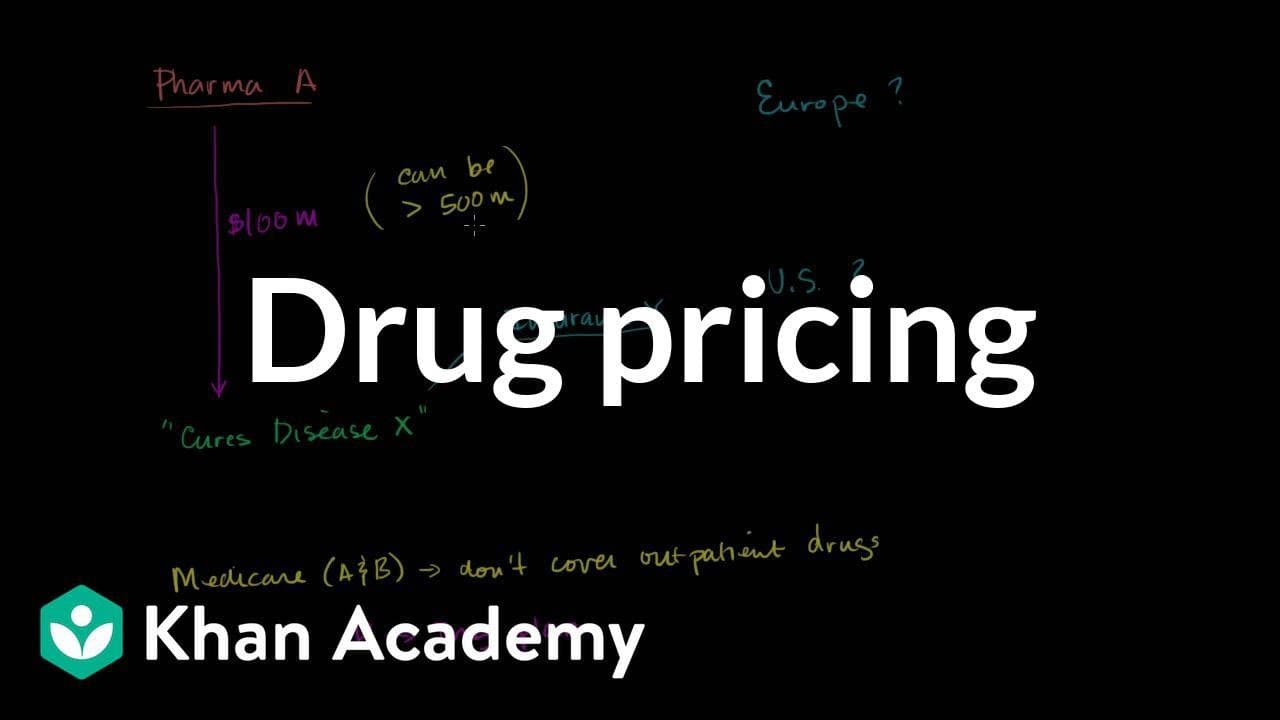
Pharma companies negotiate with insurance companies and government agencies to determine the price and coverage of their drugs, considering factors such as development costs, market demand, and potential profits.
Transcript
SALMAN KHAN: I'm here with Professor Laurence Baker from Stanford Medical School, and I'm hoping he can at least start to get me to understand something that I've always wondered about and worried about a little bit. Let's say that I'm some drug company. So let me write this down. So I'm some pharma company, pharma company A right over here, and le... Read More
Key Insights
- 😫 Pharma companies consider various factors, including development costs and potential profits, when setting drug prices.
- ❓ Negotiations between pharma companies and insurance companies are necessary to determine coverage and pricing.
- 😌 Medicare primarily covers inpatient drugs and relies on private plans for outpatient medications.
- 📔 Direct-to-consumer marketing can influence consumer demand and put pressure on insurance companies to cover specific drugs.
- 🏛️ Competition within the drug market can help drive down prices for drugs in the same class.
- 👻 The US health insurance system allows pharma companies more leeway in pricing their drugs compared to other countries.
- ✋ There are debates about the value of some high-cost drugs and whether the prices truly reflect their benefits to society.
Install to Summarize YouTube Videos and Get Transcripts
Explore YouTube Video Summarizer or Get YouTube Transcript Extractor
Questions & Answers
Q: How do pharma companies determine the price of a drug after investing in its development?
Pharma companies consider the development costs, potential profits, and competitive market conditions when setting prices for their drugs.
Q: Do insurance companies have the power to walk away from negotiations with pharma companies?
While rare, insurance companies can refuse to cover a drug if the price is deemed unreasonable. However, competition among insurance companies often ensures that someone will eventually offer coverage.
Q: How does direct-to-consumer marketing impact drug pricing and coverage?
Direct-to-consumer marketing influences consumer demand and can put pressure on insurance companies and doctors to provide coverage for specific drugs. However, some doctors express frustration with this approach as it may override their professional judgment.
Q: What happens when a drug's patent expires?
Once a drug's patent expires, generic versions can be produced, and the price drops significantly. This competition within the market helps drive down prices for drugs in the same class.
Summary & Key Takeaways
-
Pharma companies invest significant time and money in developing drugs, going through clinical trials and FDA approval.
-
After approval, companies engage in negotiations with private insurance companies, government agencies, and international markets to determine pricing and coverage.
-
Medicare, the US government healthcare program for seniors, covers primarily inpatient drugs and relies on private Part D plans for outpatient medications.
Read in Other Languages (beta)
Share This Summary 📚
Summarize YouTube Videos and Get Video Transcripts with 1-Click
Try YouTube Summary with ChatGPT & Claude or YouTube Transcript Generator
Explore More Summaries from Khan Academy 📚



Summarize YouTube Videos and Get Video Transcripts with 1-Click
Try YouTube Summary with ChatGPT & Claude or YouTube Transcript Generator