How to Address Google Webmaster Issues
TL;DR
Use Google's URL removal tool for 404 pages to expedite removal from search results. Disavow problematic backlinks to counter negative SEO, but expect delays in algorithm updates like Penguin. Ensure mobile-friendly sites avoid faulty redirects and consider content quality for Panda recovery.
Transcript
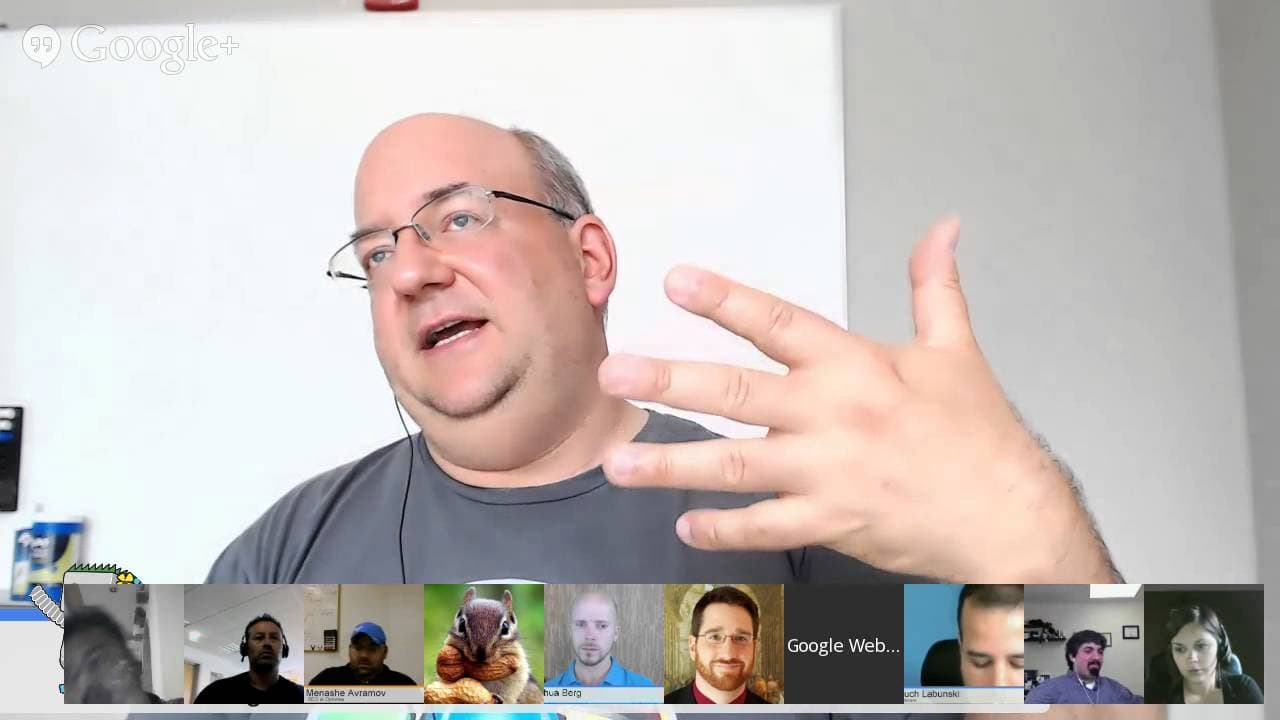
[INAUDIBLE] JOHN MUELLER: OK, welcome everyone to today's Google Webmaster Central office hours Hangouts. We have a bunch of people here already. Lots of questions already submitted. As always, feel free to ask questions in between or to comment on the questions or the answers or anything. Maybe to get started, let's take a question from you guys. ... Read More
Key Insights
- Google's URL removal tool can expedite the removal of 404 pages from search results.
- Disavowing backlinks can help against negative SEO, but results may take time.
- Algorithm updates like Penguin may take months, affecting recovery timelines.
- Mobile sites should avoid faulty redirects to maintain search visibility.
- Duplicate content across HTTP and HTTPS is a technical issue, not a penalty.
- Webmasters should focus on content quality to recover from Panda penalties.
- Google is working to recognize churn-and-burn sites, potentially easing competition.
- Webmasters can use rel=canonical and redirects to manage duplicate content.
Install to Summarize YouTube Videos and Get Transcripts
Explore YouTube Video Summarizer or Get YouTube Transcript Extractor
Questions & Answers
Q: How to expedite the removal of 404 pages from Google search?
Use the Google URL removal tool to expedite the removal of 404 pages from search results. This tool helps in quickly de-indexing pages that no longer exist, especially if they are a concern for clients or if they are linked from other websites.
Q: What should be done to counter negative SEO attacks?
To counter negative SEO attacks, webmasters should disavow backlinks that are deemed harmful or untrustworthy. However, it is important to note that the effects of disavowing links may not be immediate, as Google needs to recrawl those links and run their algorithms to reflect changes.
Q: How does Google handle duplicate content across HTTP and HTTPS?
Duplicate content across HTTP and HTTPS is considered a technical issue rather than a penalty. Google treats it as duplicate URLs that need to be managed by the webmaster. Using rel=canonical tags or setting up redirects can help indicate the preferred version to Google.
Q: What are the best practices for mobile-friendly sites?
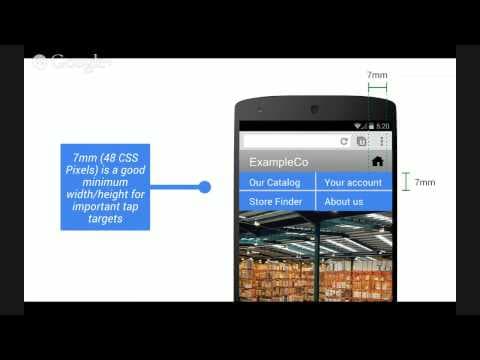
For mobile-friendly sites, avoid faulty redirects that mislead users from specific pages to the home page or unrelated content. Ensure that mobile content is equivalent in topic to the desktop version, even if it is shorter, to maintain good user experience and search visibility.
Q: How can webmasters recover from a Panda penalty?
To recover from a Panda penalty, focus on improving content quality across the site. Forums should manage content by noindexing low-quality or unanswered threads and ensuring that high-quality contributions are indexed. This helps improve the perceived quality of the site over time.
Q: Why does Google show branded answers in search results?
Google sometimes displays branded answers in search results when it believes the content is relevant to the query. However, this can be problematic if it appears as an advertisement rather than informative content. Google aims to refine these results to avoid misuse by brands.
Q: What should webmasters do if their site is stuck on page two of search results?
If a site is stuck on page two, webmasters should focus on enhancing content quality and ensuring it provides unique value beyond aggregated or common information. Improving user engagement and addressing any technical issues can also help improve search rankings over time.
Q: How does Google plan to address churn-and-burn sites?
Google is working on algorithms to better identify and manage churn-and-burn sites, which are designed to quickly rank and then disappear. By refining these algorithms, Google aims to improve search quality and create more opportunities for legitimate sites to rank higher.
Summary & Key Takeaways
-
Google Webmaster Central office hours addressed various webmaster concerns, including handling 404 pages and negative SEO. Using tools like the URL removal tool and disavow file can assist in managing these issues, but webmasters must be patient as some algorithm updates like Penguin take time to reflect changes.
-
Mobile-friendly site practices were discussed, emphasizing the importance of avoiding faulty redirects and ensuring that mobile content is equivalent to desktop versions. This helps maintain visibility in mobile search results, as Google aims to improve user experiences by penalizing inaccessible content.
-
For sites affected by Panda, focusing on content quality is crucial. Forums, in particular, should ensure high-quality content is indexed while managing low-quality or new user content carefully. Google continues to refine its algorithms to better identify and manage spammy or low-quality sites.
Read in Other Languages (beta)
Share This Summary 📚
Summarize YouTube Videos and Get Video Transcripts with 1-Click
Try YouTube Summary with ChatGPT & Claude or YouTube Transcript Generator
Explore More Summaries from Google Search Central 📚




Summarize YouTube Videos and Get Video Transcripts with 1-Click
Try YouTube Summary with ChatGPT & Claude or YouTube Transcript Generator