What Is the Salvo Tactic in Warfare?
TL;DR
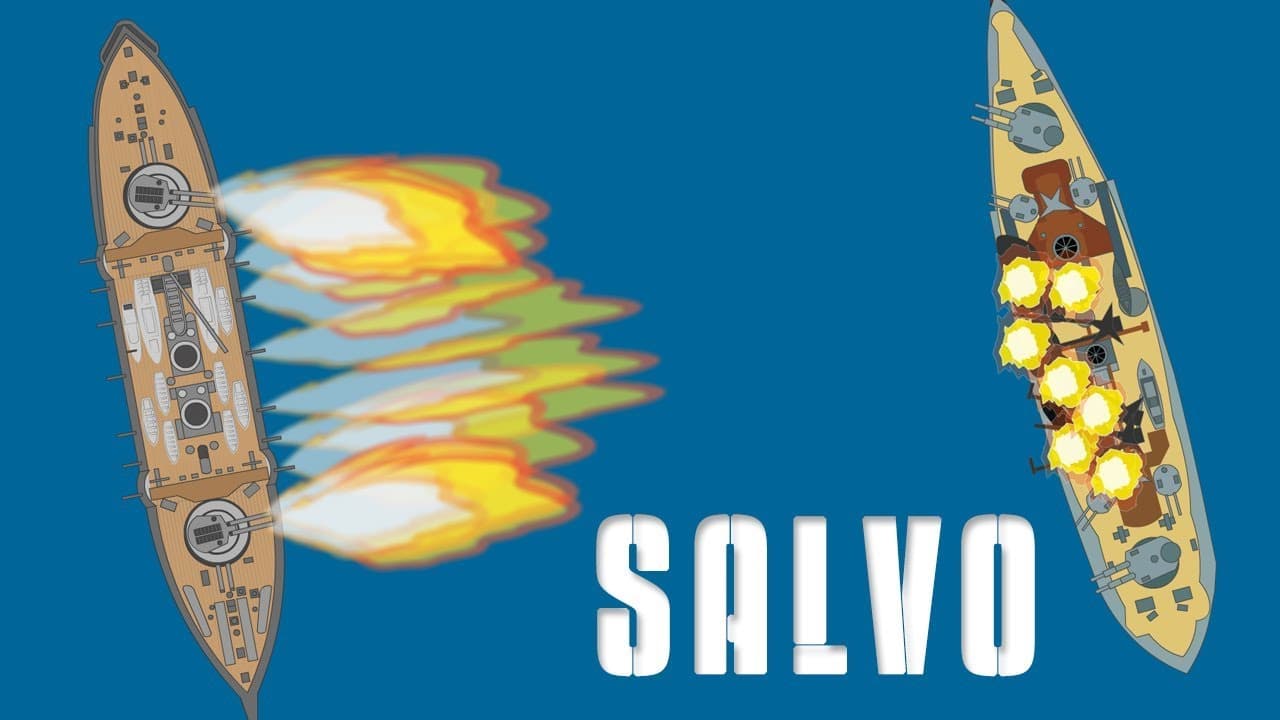
The salvo tactic entails the simultaneous firing of multiple guns to maximise firepower against an enemy. It was crucial for naval battles since the 15th century, evolving significantly with the introduction of powerful battleships in the 19th and 20th centuries, which allowed for coordinated attacks and precise targeting.
Transcript
this simple history episode is brought to you by world of warships salvo military tactic 15 to the 20th century a salvo is a military term that stands for the simultaneous firing of several guns as opposed to gunfire where all guns fire independently once an order is given a volley is a term similar to salvo but the two are distinguishable as volle... Read More
Key Insights
- ❓ The salvo tactic was used in naval warfare since the 15th century and became more sophisticated with the development of battleships in the 19th and 20th century.
- 🖐️ Battleships played a crucial role in maximizing the effectiveness of the salvo tactic with their multiple turrets and powerful guns.
- 🔸 The salvo tactic had advantages such as concentrated fire, easier range determination, and smaller spread compared to individual shots.
- 🛟 In field artillery warfare, offensive and defensive salvos served different purposes, such as inflicting casualties or protecting friendly units.
- 🧡 The salvo tactic began to decline with the development of long-range missiles and the dominance of air bombing, rendering battleships and field artillery less effective.
Install to Summarize YouTube Videos and Get Transcripts
Explore YouTube Video Summarizer or Get YouTube Transcript Extractor
Questions & Answers
Q: What is the difference between a salvo and a volley?
A salvo is the simultaneous firing of several guns, typically used in naval and artillery warfare. On the other hand, a volley refers to simultaneous firing from small arms and infantry.
Q: Why was the salvo tactic particularly effective in naval warfare?
The salvo tactic allowed battleships to concentrate their firepower and deliver a mighty blow to enemy ships, preventing them from fighting back effectively. It also helped in setting the firing range accurately and provided a smaller spread.
Q: What were the different variations of the salvo tactic in naval warfare?
There were variations such as broadside (simultaneous fire from all guns aiming at the side of the enemy ship), half salvo or split salvo (one gun fired from each turret), double salvo (two split salvos fired in succession), and bracket salvo (used to determine target range).
Q: How did the salvo tactic differ in field artillery warfare?
In field artillery warfare, offensive salvos were used to quickly inflict casualties on the enemy and destroy their firing capabilities. Defensive salvos aimed at slowing the enemy's advance or providing protection to friendly units.
Summary & Key Takeaways
-
The salvo tactic involves the simultaneous firing of multiple guns and was used in naval and field artillery warfare.
-
Battleships in the 19th and 20th century played a significant role in the development of the salvo tactic, utilizing their multiple turrets with powerful guns.
-
The salvo tactic had advantages such as concentrated fire, easier range determination, and smaller spread compared to individual shots.
Read in Other Languages (beta)
Share This Summary 📚
Summarize YouTube Videos and Get Video Transcripts with 1-Click
Try YouTube Summary with ChatGPT & Claude or YouTube Transcript Generator
Explore More Summaries from Simple History 📚


Summarize YouTube Videos and Get Video Transcripts with 1-Click
Try YouTube Summary with ChatGPT & Claude or YouTube Transcript Generator