How to Eat More to Lose Stubborn Fat: Surprising Tips
TL;DR
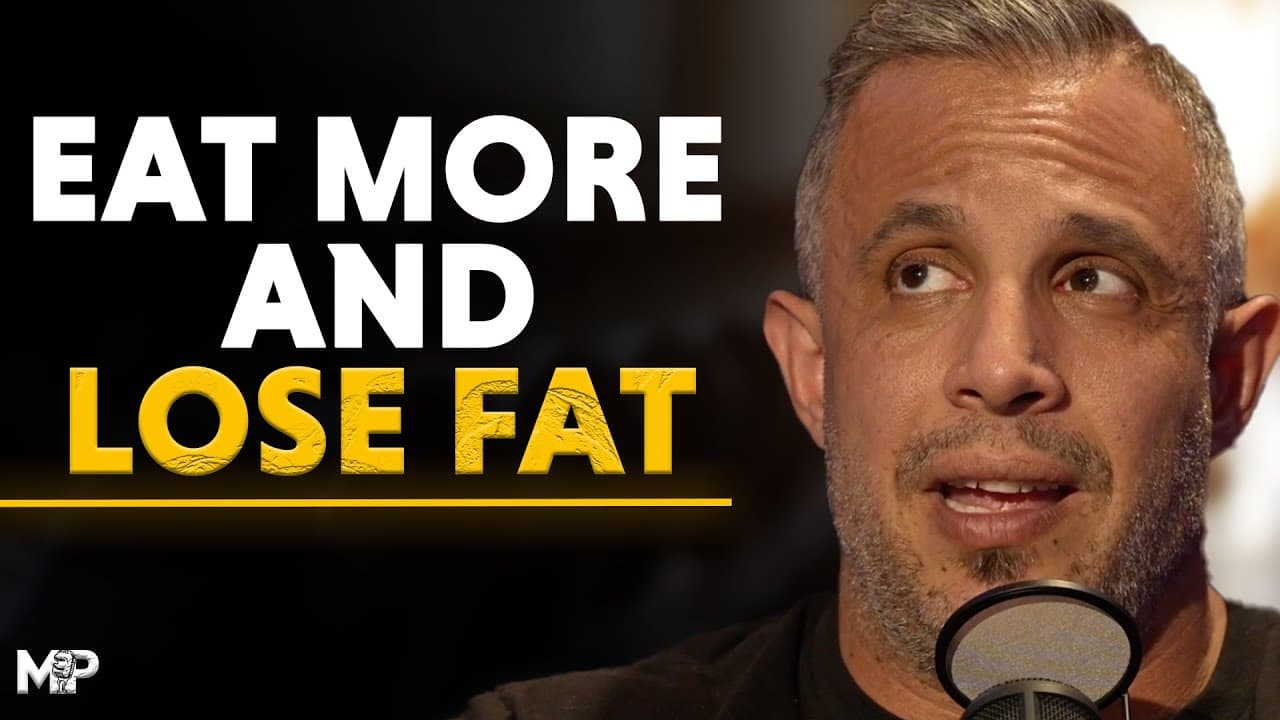
To get leaner, you might need to eat more rather than less. A common issue is under-eating, which can stall progress and slow metabolism. By increasing calorie intake, especially protein, and focusing on building muscle, you can enhance your metabolism and achieve sustainable fat loss.
Transcript
sometimes to get leaner you have to eat more it's true a lot of times I'll train a client and the problem isn't that they're eating too much it's that they're not eating enough here are the warning signs that you need to be the person or you are that person that needs to eat more to get leaner what do you guys think they are what are some of the wh... Read More
Key Insights
- Eating more can help in getting leaner by boosting metabolism.
- Under-eating can stall progress and prevent fat loss.
- Building muscle increases metabolic rate and aids in fat loss.
- A faster metabolism allows for more sustainable weight management.
- Strength training combined with proper nutrition is crucial for improving body composition.
- Caloric deficit is necessary for fat loss but should be approached by boosting metabolism.
- Building muscle can reduce body fat percentage without losing weight.
- Nutrient-dense, whole foods and high protein intake are essential when increasing calories.
Install to Summarize YouTube Videos and Get Transcripts
Explore YouTube Video Summarizer or Get YouTube Transcript Extractor
Questions & Answers
Q: How can eating more help in losing stubborn fat?
Eating more, particularly protein and whole foods, can help boost metabolism by providing the necessary nutrients for muscle building. This increase in muscle mass leads to a higher metabolic rate, allowing the body to burn more calories at rest, which can aid in losing stubborn fat.
Q: Why does under-eating stall fat loss progress?
Under-eating can stall fat loss progress because it slows down metabolism. When the body receives insufficient calories, it adapts by reducing the metabolic rate to conserve energy, making it harder to lose fat. Additionally, without enough nutrients, muscle growth and maintenance are compromised, further slowing metabolism.
Q: What role does strength training play in fat loss?
Strength training plays a crucial role in fat loss by building muscle, which increases the body's metabolic rate. A higher metabolic rate means more calories are burned at rest, making it easier to achieve and maintain a caloric deficit necessary for fat loss. It also improves body composition by reducing body fat percentage.
Q: How does building muscle affect body fat percentage?
Building muscle affects body fat percentage by increasing lean body mass, which can lower the percentage of body fat even if overall weight remains the same. This shift in body composition results in a leaner appearance and a higher metabolic rate, aiding in sustainable fat loss.
Q: What are the benefits of a faster metabolism?
A faster metabolism allows the body to burn more calories at rest, making it easier to achieve a caloric deficit necessary for fat loss. It also provides flexibility in diet, reducing the need for strict calorie restriction, and supports sustainable weight management by allowing occasional indulgences without significant weight gain.
Q: Why is protein intake important in a calorie surplus?
Protein intake is important in a calorie surplus because it provides the essential building blocks for muscle growth and repair. Adequate protein supports muscle synthesis, which increases metabolic rate, and helps prevent fat gain by promoting a leaner body composition even when calorie intake is increased.
Q: What misconceptions exist about fat loss and calorie intake?
A common misconception is that reducing calorie intake is always the best approach to fat loss. In reality, eating more, particularly protein and whole foods, can boost metabolism and support muscle growth, leading to more sustainable fat loss. Over-restricting calories can slow metabolism and stall progress.
Q: How can whole foods contribute to better fat loss results?
Whole foods contribute to better fat loss results by providing essential nutrients that support muscle growth and metabolic health. They are typically lower in calories and higher in fiber, promoting satiety and reducing the likelihood of overeating. Whole foods also support overall health, making it easier to maintain a caloric deficit.
Summary & Key Takeaways
-
To achieve sustainable fat loss, it's often necessary to eat more, focusing on whole foods and protein to boost metabolism. Under-eating can lead to stalled progress and a slower metabolism, while building muscle can enhance metabolic rate and improve body composition.
-
Many struggle with weight loss due to under-eating and a slowed metabolism. By increasing calorie intake, prioritizing protein, and building muscle, individuals can boost their metabolism and achieve more sustainable fat loss.
-
A common misconception is that eating less is always better for fat loss. In reality, boosting metabolism through increased calorie intake, especially protein, and strength training can lead to more effective and sustainable fat loss.
Read in Other Languages (beta)
Share This Summary 📚
Summarize YouTube Videos and Get Video Transcripts with 1-Click
Try YouTube Summary with ChatGPT & Claude or YouTube Transcript Generator
Explore More Summaries from Mind Pump Show 📚

Summarize YouTube Videos and Get Video Transcripts with 1-Click
Try YouTube Summary with ChatGPT & Claude or YouTube Transcript Generator