What Challenges Do Transracial Adoptees Face?
TL;DR
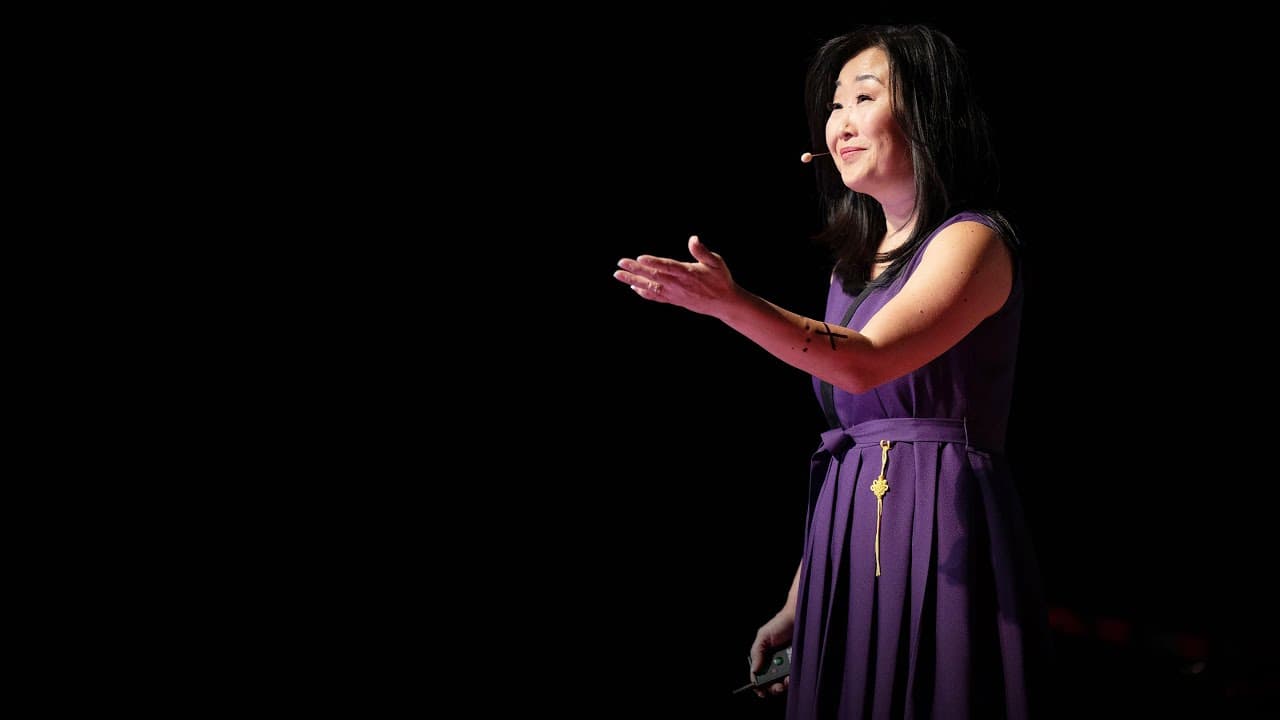
Transracial adoptees often experience complex emotions, including loss and identity challenges, due to cultural disconnection. Sara Jones shares her personal journey of being adopted from South Korea by a white family in the U.S. She emphasizes the importance of creating safe emotional spaces and validating adoptees' stories to help them navigate their unique experiences.
Transcript
When I was three years old, I was transracially adopted from South Korea by a white family in Salt Lake City, Utah. I arrived in America with a mysterious tattoo on my left forearm. The tattoo was so large and noticeable that my adoptive parents had it surgically removed right away. They were worried that other kids would make fun of it. Today, the... Read More
Key Insights
- Transracial adoption involves adopting a child from a different race or ethnicity than the adoptive parents.
- Children adopted transracially often face identity challenges and feelings of cultural disconnection.
- Adoptees may experience trauma from separation from their birth families, impacting their emotional well-being.
- Sara Jones was adopted from South Korea and struggled with cultural assimilation and identity issues.
- Understanding and validating adoptees' stories can help them process complex emotions and foster healthier relationships.
- Creating safe emotional spaces allows adoptees to express both positive and negative feelings.
- Research suggests that enculturation and racial inculcation can aid in better adapting to racial and ethnic circumstances.
- Sara's journey to find her birth family highlights the importance of connection and understanding in adoption narratives.
Install to Summarize YouTube Videos and Get Transcripts
Explore YouTube Video Summarizer or Get YouTube Transcript Extractor
Questions & Answers
Q: What challenges do transracial adoptees face?
Transracial adoptees often face identity challenges, feelings of cultural disconnection, and emotional trauma from being separated from their birth families. These experiences can lead to complex emotions, including loss, rejection, and difficulty with intimacy. Creating safe emotional spaces and validating their stories can help adoptees process these feelings and build healthier relationships.
Q: How can adoptive parents support transracial adoptees?
Adoptive parents can support transracial adoptees by creating safe emotional spaces for them to express both positive and negative emotions. They should validate the child's adoption story and acknowledge their unique experiences. Encouraging enculturation and providing exposure to the child's birth culture can also help in adapting to racial and ethnic circumstances.
Q: Why is validation important for adoptees?
Validation is crucial for adoptees as it acknowledges their unique experiences and emotions, which can be complex due to cultural disconnection and identity challenges. By validating their stories, adoptive parents can help adoptees process feelings of loss, rejection, and identity issues, fostering a supportive environment that promotes emotional well-being and healthy relationships.
Q: What role does cultural connection play in adoption?
Cultural connection plays a significant role in adoption by helping adoptees maintain a link to their heritage and identity. It can reduce feelings of disconnection and support emotional well-being. Encouraging enculturation and providing exposure to the child's birth culture can aid in better adapting to their unique racial and ethnic circumstances, fostering a sense of belonging.
Q: How did Sara Jones find her birth family?
Sara Jones found her birth family by posting a photo of her redrawn tattoo on social media. The tattoo was a unique identifier placed by her birth father to help reunite the family. A friend of her brother recognized the tattoo, leading to Sara reconnecting with her family in Korea, highlighting the importance of connection and understanding in adoption narratives.
Q: What is the significance of Sara's tattoo in her adoption story?
Sara's tattoo symbolizes her connection to her Korean heritage and family. Its removal by her adoptive family represents the loss of cultural identity. However, the tattoo eventually led to her reuniting with her birth family, underscoring its importance as a symbol of connection and the complexities of adoption narratives.
Q: What are the emotional impacts of adoption on children?
Adoption can have significant emotional impacts on children, including feelings of loss, rejection, grief, and identity challenges. These emotions can lead to difficulties with intimacy and control issues. Providing safe emotional spaces and validating adoptees' stories can help them process these feelings, promoting emotional well-being and healthier relationships.
Q: Why is it important to reframe views on adoption?
Reframing views on adoption is important to acknowledge the complex emotions and experiences of adoptees. By understanding and validating their unique stories, we can foster empathy and create better policies for adoption. Recognizing that every adoption begins with loss and affects each child differently can lead to more supportive environments for adoptees and their families.
Summary & Key Takeaways
-
Sara Jones, a transracial adoptee from South Korea, shares her story of cultural disconnection and identity challenges. Her adoptive family's removal of her tattoo symbolizes the loss of her Korean heritage. She emphasizes the need for safe emotional spaces and validation of adoptees' stories to help them navigate complex emotions associated with adoption.
-
Transracial adoptees like Sara often experience trauma from separation from their birth families, leading to identity and emotional challenges. Creating safe spaces for expression and understanding can help adoptees process these feelings. Sara's journey to find her birth family underscores the importance of connection in adoption narratives.
-
Adoptees may struggle with feelings of loss, rejection, and identity issues. Sara Jones advocates for acknowledging these emotions and creating supportive environments. Her personal story highlights the need for empathy and understanding in adoption, emphasizing that every adoption begins with loss and affects each child differently.
Read in Other Languages (beta)
Share This Summary 📚
Summarize YouTube Videos and Get Video Transcripts with 1-Click
Try YouTube Summary with ChatGPT & Claude or YouTube Transcript Generator
Explore More Summaries from TED 📚



Summarize YouTube Videos and Get Video Transcripts with 1-Click
Try YouTube Summary with ChatGPT & Claude or YouTube Transcript Generator