Why Is Monaco's Economy So Unique?
TL;DR
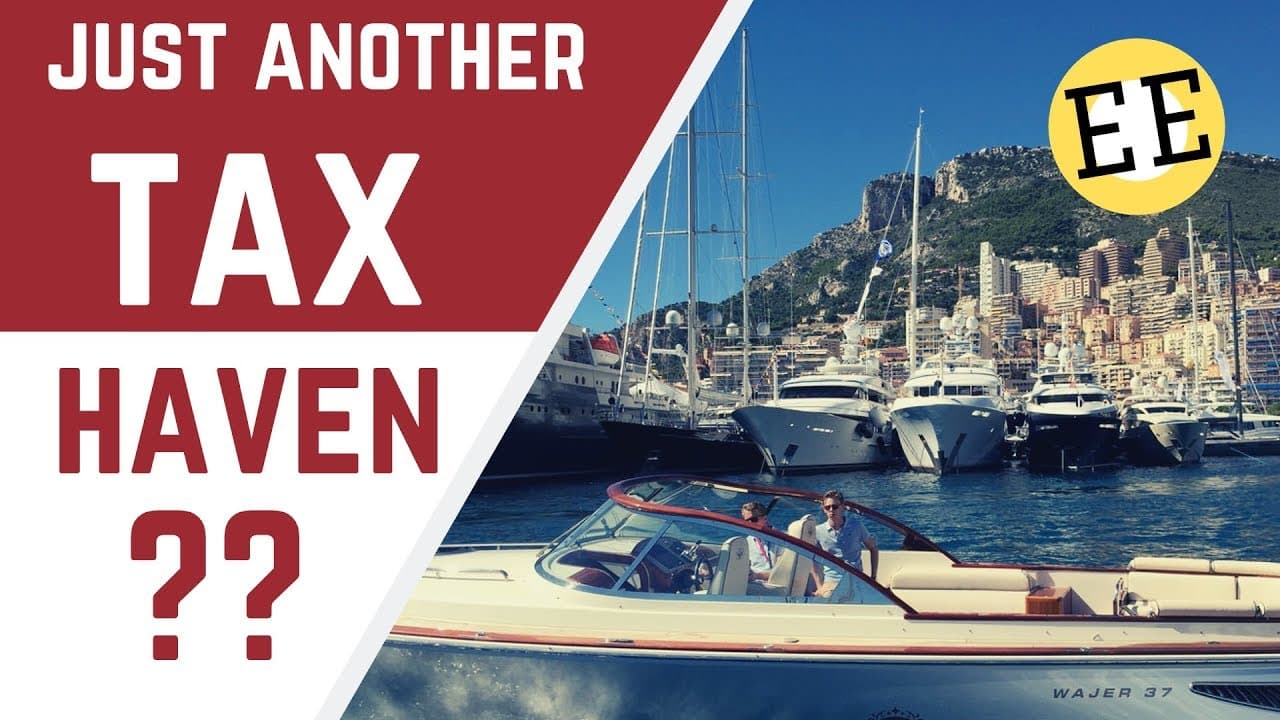
Monaco stands out economically due to its high GDP per capita and unique tax structure, relying heavily on VAT rather than income tax. This attracts wealthy residents who prefer low income tax environments, despite high living costs. The country also benefits from a large tourist economy, further boosting its revenue through VAT.
Transcript
this is Monaco this Mediterranean micronation is the ultimate top trump card in the game of countries it is by far the wealthiest nation per capita in the world it is also the country with by far the highest average age of citizens it has the highest cost of any land of any country in the world it pretty much breaks any kind of list you want to mak... Read More
Key Insights
- Monaco has the highest GDP per capita in the world, making it a unique economic powerhouse.
- The Human Development Index of Monaco exceeds the standard scale, highlighting its exceptional living standards.
- Monaco is often mistaken for a tax haven, but it primarily relies on a high VAT rate for revenue.
- Contrary to popular belief, the Monte Carlo Casino contributes only 3% to Monaco's government revenue.
- Income tax is absent in Monaco, attracting wealthy individuals who prefer low income tax environments.
- The VAT system in Monaco is regressive, affecting lower-income earners more than the wealthy.
- Tourism is a significant revenue source for Monaco, with tourists contributing substantially to VAT collections.
- Monaco does not offer offshore financial services, differentiating it from other tax havens.
Install to Summarize YouTube Videos and Get Transcripts
Explore YouTube Video Summarizer or Get YouTube Transcript Extractor
Questions & Answers
Q: How does Monaco generate revenue without income tax?
Monaco generates revenue primarily through a high Value-Added Tax (VAT) of 19.6%, which is among the highest in the world. This tax is levied on the purchase of goods and services, impacting both residents and the significant number of tourists visiting the country. The VAT system allows Monaco to maintain its public services without relying on income tax.
Q: Why is Monaco considered a tax haven?
Monaco is often considered a tax haven due to its lack of income tax, which attracts wealthy individuals seeking to minimize their tax liabilities. However, it primarily relies on VAT for revenue, and it does not offer offshore financial services, differentiating it from other jurisdictions typically labeled as tax havens.
Q: What role does tourism play in Monaco's economy?
Tourism plays a significant role in Monaco's economy, contributing substantially to the country's VAT revenue. With about nine tourists for every resident annually, the spending by tourists on goods and services significantly boosts the nation's revenue, supporting its economy without the need for income tax.
Q: How does Monaco's VAT system impact different income groups?
Monaco's VAT system is regressive, meaning it disproportionately affects lower-income earners. While the VAT rate is a fixed percentage, lower-income households spend a larger portion of their income on VAT-taxed goods and services compared to wealthier households, who spend a smaller proportion of their income on these taxes.
Q: What is the Human Development Index of Monaco?
Monaco's Human Development Index (HDI) exceeds the standard scale, with a score of 1.021 on a scale of 0 to 1. This reflects its exceptional living standards, including high life expectancy, excellent healthcare, and education systems, setting it apart as one of the most developed nations globally.
Q: How does Monaco's casino contribute to its economy?
The Monte Carlo Casino is a well-known symbol of Monaco, but it contributes only about 3% to the government's annual revenue. While it is a significant attraction, the casino's financial impact on Monaco's economy is relatively minor compared to the revenue generated from VAT and tourism.
Q: Why do wealthy individuals choose to live in Monaco?
Wealthy individuals are drawn to Monaco due to its absence of income tax, high standard of living, safety, and luxury amenities. Despite the high cost of living, the tax benefits and the opportunity to network with other affluent residents make Monaco an attractive place for the global elite.
Q: Does Monaco offer offshore financial services?
Monaco does not offer offshore financial services, which distinguishes it from other jurisdictions often labeled as tax havens. The country does not facilitate the registration of offshore corporations aiming to avoid taxes in their home countries, focusing instead on maintaining transparency and compliance with international financial regulations.
Summary & Key Takeaways
-
Monaco's economy is characterized by its high GDP per capita and unique tax structure, which relies heavily on VAT rather than income tax. This attracts wealthy residents seeking low income tax environments despite the high cost of living. The country also benefits from a large tourist economy, further boosting its revenue through VAT.
-
The misconception that Monaco is a tax haven primarily stems from its absence of income tax. However, the government's revenue largely comes from a high VAT rate, which is one of the highest globally. This tax system is regressive, impacting lower-income earners more significantly than the affluent.
-
Monaco's appeal to the global elite is not only due to its favorable tax conditions but also its high standard of living, safety, and luxury amenities. The nation does not facilitate offshore financial services, setting it apart from other jurisdictions labeled as tax havens.
Read in Other Languages (beta)
Share This Summary 📚
Summarize YouTube Videos and Get Video Transcripts with 1-Click
Try YouTube Summary with ChatGPT & Claude or YouTube Transcript Generator
Explore More Summaries from Economics Explained 📚
Summarize YouTube Videos and Get Video Transcripts with 1-Click
Try YouTube Summary with ChatGPT & Claude or YouTube Transcript Generator