When carmakers taunted horses
TL;DR
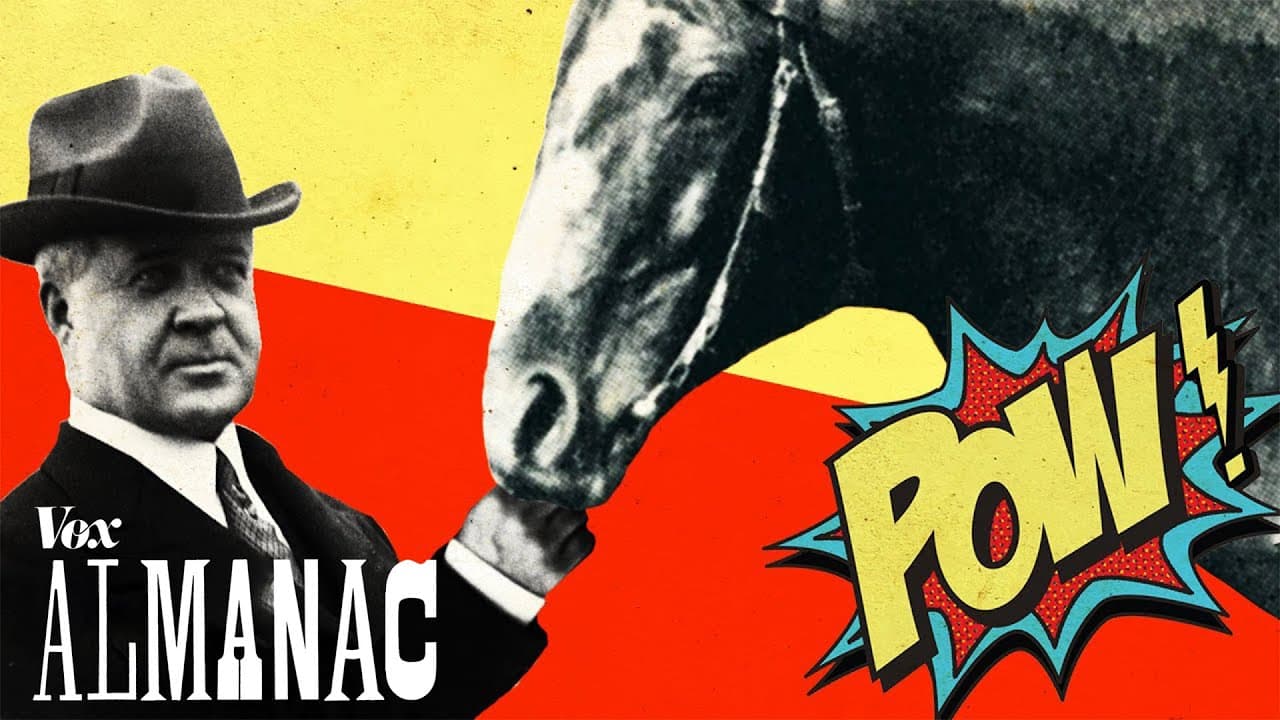
Early carmakers waged a fierce PR battle against horses.
Transcript
Want a preview of the battle between traditional cars and self-driving ones? Don't look to Tesla, Apple, or Google. Look back a hundred years, when automobiles took on horses — and the cars played dirty to win. "Ransom Olds, who founded the Olds Motor Works, Oldsmobile, was particularly aggressive in his attacks on the horse. This was like a psycho... Read More
Key Insights
- Ransom Olds aggressively marketed cars by attacking horses, reflecting a psychological battle against traditional transport methods.
- Automakers used various tactics to promote cars, including racing and derogatory advertisements against horses, highlighting the competitive nature of the era.
- The term 'horsepower' was coined to compare car power to horses, emphasizing the superiority of automobiles.
- Cars were initially unreliable and expensive, yet marketed as cheaper and easier alternatives to horses, showcasing early marketing strategies.
- Henry Ford predicted the end of horses, illustrating the confidence and ambition of early car manufacturers.
- Public races and media like 'The Horseless Age' magazine promoted cars as the future, demonstrating the media's role in technological adoption.
- Horses were public health hazards due to waste and disease, providing a logical argument for the adoption of cars.
- The transition from horses to cars improved urban cleanliness and reduced accidents, indicating technological progress benefits.
Install to Summarize YouTube Videos and Get Transcripts
Explore YouTube Video Summarizer or Get YouTube Transcript Extractor
Questions & Answers
Q: Why did Ransom Olds have a strong dislike for horses?
Ransom Olds, the founder of Oldsmobile, harbored a strong dislike for horses, which seemed to stem from a psychological perspective. His aggressive marketing tactics against horses suggest that he viewed them as a symbol of outdated technology that needed to be replaced by modern automobiles. This animosity fueled his efforts to promote cars as the superior mode of transportation.
Q: What were some of the marketing tactics used by early carmakers?
Early carmakers employed several marketing tactics to promote automobiles over horses. They organized public races to showcase the speed and efficiency of cars, used derogatory advertisements to undermine horses, and coined terms like 'horsepower' to emphasize car power. These strategies were part of a broader effort to convince the public of the advantages of automobiles.
Q: How did public perception of cars change over time?
Initially, cars were perceived with skepticism due to their unreliability and high cost. However, as carmakers aggressively marketed their benefits and addressed public health concerns associated with horses, perception shifted. The advantages of cars, such as improved urban cleanliness and reduced accidents, eventually convinced the public of their superiority, leading to widespread adoption.
Q: What role did media play in the promotion of cars?
Media played a significant role in promoting cars during the early 1900s. Publications like 'The Horseless Age' advocated for automobiles by highlighting their benefits over horses. These media outlets helped shape public opinion by providing a platform for carmakers to showcase the advantages of cars, ultimately influencing the transition from horse-drawn to motorized vehicles.
Q: What were the public health hazards associated with horses?
Horses posed significant public health hazards in urban areas. They produced large amounts of manure, contributing to unsanitary conditions and the spread of disease. Additionally, many horses suffered from maltreatment, leading to high mortality rates. The presence of dead horses on streets further exacerbated health risks, making the transition to automobiles a logical choice for improving urban living conditions.
Q: How did the term 'horsepower' influence public perception of cars?
The term 'horsepower' was introduced to quantify the power of cars in terms of the number of horses they could replace. This comparison helped the public understand the capabilities of automobiles in familiar terms, making the concept of car power more relatable. By framing car power in this way, automakers effectively communicated the efficiency and superiority of automobiles over traditional horse-drawn transport.
Q: What parallels can be drawn between the car and horse battle and the potential self-driving car debate?
The historical battle between cars and horses parallels the potential debate between self-driving and traditional cars. Both scenarios involve resistance to new technology, requiring aggressive marketing and public persuasion. Just as cars eventually overcame horses due to clear benefits, self-driving cars may follow a similar path, overcoming initial skepticism to become a dominant mode of transportation.
Q: How did the transition from horses to cars impact urban environments?
The transition from horses to cars had a significant positive impact on urban environments. It reduced the accumulation of horse manure, improving sanitation and public health. Additionally, cars offered better acceleration and braking capabilities, reducing traffic congestion and accidents. This shift contributed to cleaner, safer, and more efficient urban living conditions, showcasing the transformative power of technological advancement.
Summary & Key Takeaways
-
In the early 1900s, carmakers launched a fierce marketing campaign against horses to promote automobiles. They highlighted the inefficiencies and health hazards associated with horses, while emphasizing the advantages of cars. Despite initial resistance, cars eventually became the preferred mode of transport due to their superior capabilities and public health benefits.
-
Ransom Olds and other car manufacturers used aggressive tactics, such as public races and derogatory advertisements, to convince people of the superiority of cars over horses. The term 'horsepower' was introduced to measure car power, and magazines like 'The Horseless Age' promoted automobiles as the future of transportation.
-
The battle between cars and horses mirrors potential future conflicts between self-driving and traditional cars. Early carmakers faced public resistance and had to overcome significant challenges, but ultimately succeeded due to the clear advantages of automobiles, including improved urban cleanliness and reduced public health risks.
Read in Other Languages (beta)
Share This Summary 📚
Summarize YouTube Videos and Get Video Transcripts with 1-Click
Try YouTube Summary with ChatGPT & Claude or YouTube Transcript Generator
Explore More Summaries from Vox 📚


Summarize YouTube Videos and Get Video Transcripts with 1-Click
Try YouTube Summary with ChatGPT & Claude or YouTube Transcript Generator