Face Your Dark Side - Carl Jung and the Shadow
TL;DR
Confronting the shadow and integrating its elements into our personality can rejuvenate our lives and contribute to healing a divided world.
Transcript
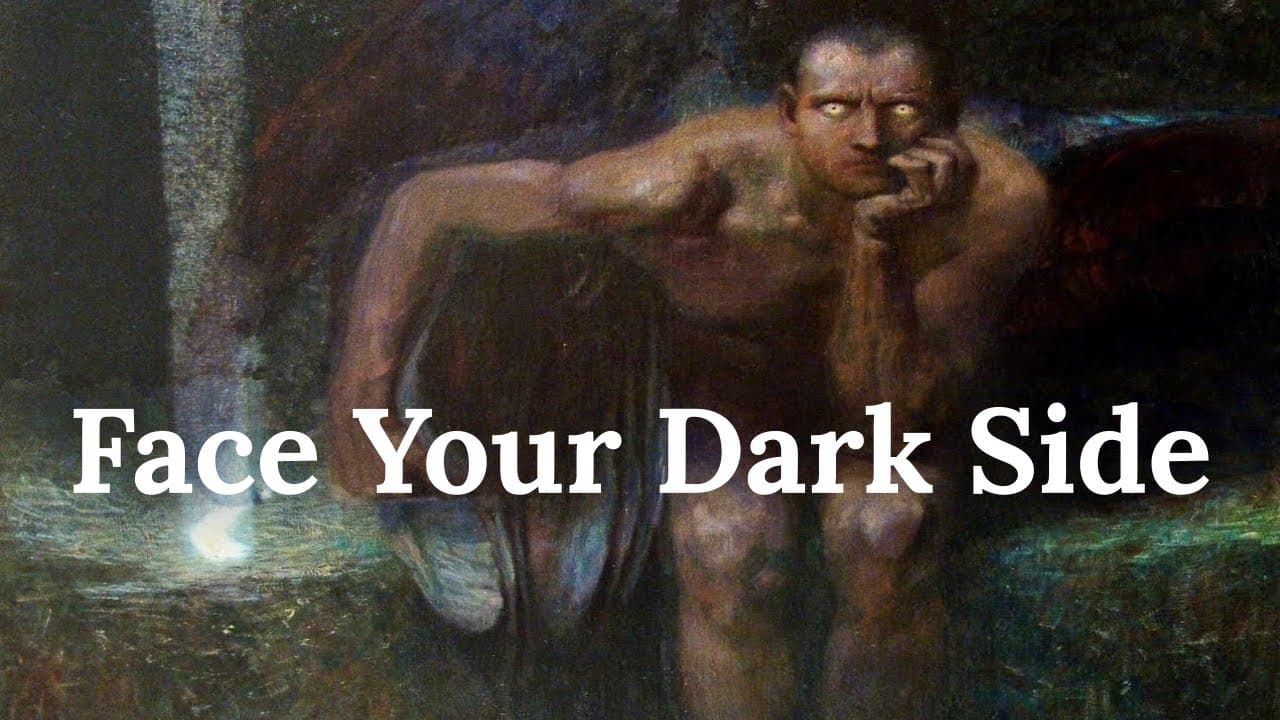
“Like plants, so men also grow, some in the light, others in the shadows. There are many who need the shadows and not the light.” Carl Jung, The Red Book None of us are as good as we like to think. We possess animalistic drives for sex and power. We have a cruel and aggressive side that can do great harm to others, and we tend to deny our flaws and... Read More
Key Insights
- 🌑Our flaws and weaknesses, which we deny, reside in the unconscious and form our shadow.
- 🎭Our persona, the mask we wear in society, is responsible for casting the shadow.
- 💡Our persona is constructed based on approval and rejection of character traits and conceals the rejected traits in the shadow.
- 🌗The shadow manifests through projection, where we perceive in others the weaknesses and faults we reject in ourselves.
- 😫The repressed contents of the shadow affect our moods and behaviors, revealing themselves in times of stress or conflict.
- 🔦Confronting the shadow begins with accepting its existence and reflecting on the traits we have been hiding from.
- 🔍To uncover the depths of our shadow, we can observe strong emotional reactions in others or explore the shadow of someone close to us.
- 💪Confronting the shadow allows for a contrast between our flaws and strengths, reducing their ability to wreak havoc on our lives.
Install to Summarize YouTube Videos and Get Transcripts
Explore YouTube Video Summarizer or Get YouTube Transcript Extractor
Questions & Answers
Q: How does the persona mask contribute to the formation of our shadow?
The persona mask is constructed early in life based on approval and rejection from others, leading to the integration of approved traits and the hiding of rejected traits. The rejected traits form the unconscious shadow.
Q: How does the shadow manifest itself in our lives?
The shadow manifests through projection, where we perceive in others the weaknesses and faults we deny in ourselves. It also affects our moods and behaviors, creating tension between our conscious personality and the autonomous splinter personality of the shadow.
Q: Why is it important to confront the shadow?
Confronting the shadow allows us to accept its existence and realize that our conscious sense of self does not represent us in totality. Through self-reflection and self-criticism, we can reveal the traits we have been hiding from and integrate them into our personality for personal growth.
Q: How can we unearth the elements of our shadow that have been pushed too far into the depths of the unconscious?
We can observe strong emotional reactions to traits in other people, which indicate that the same traits lie within us. We can also explore the shadow of someone close to us since some aspects of the shadow are influenced by shared social and cultural trends.
Q: What are the benefits of confronting the shadow?
Confronting the shadow allows the good qualities of our character to stand out in greater prominence, reduces the ability of our flaws and weaknesses to harm us, and grants us the opportunity to control or minimize their potential damage. It also reveals instinctual drives that can empower and motivate us.
Q: How does integrating the positive side of the shadow contribute to personal growth and healing?
Integrating the positive side of the shadow contrasts with the negative side, allowing the good qualities of our character to become more prominent. By minimizing the effects of the negative side, we gain control over our flaws and weaknesses, making us more attractive to others and fostering personal growth.
Q: How does confronting the shadow contribute to healing a divided world?
Confronting the shadow helps us withdraw our projections and stop scapegoating others, leading to a more compassionate and understanding approach to different races, religions, ethnicities, genders, and political opponents. By doing so, we contribute to healing the divisions in the world and become more self-aware.
Summary & Key Takeaways
-
The persona is a metaphorical mask we wear in the social world, representing the character traits we want others to believe define us.
-
The persona is constructed early in life through approval and rejection from family, peers, and society, with rejected traits forming the unconscious shadow.
-
The repressed contents of the shadow manifest through projection and affect our moods and behaviors, causing tension between our conscious personality and the shadow.
Read in Other Languages (beta)
Share This Summary 📚
Summarize YouTube Videos and Get Video Transcripts with 1-Click
Try YouTube Summary with ChatGPT & Claude or YouTube Transcript Generator
Explore More Summaries from Academy of Ideas 📚

Summarize YouTube Videos and Get Video Transcripts with 1-Click
Try YouTube Summary with ChatGPT & Claude or YouTube Transcript Generator